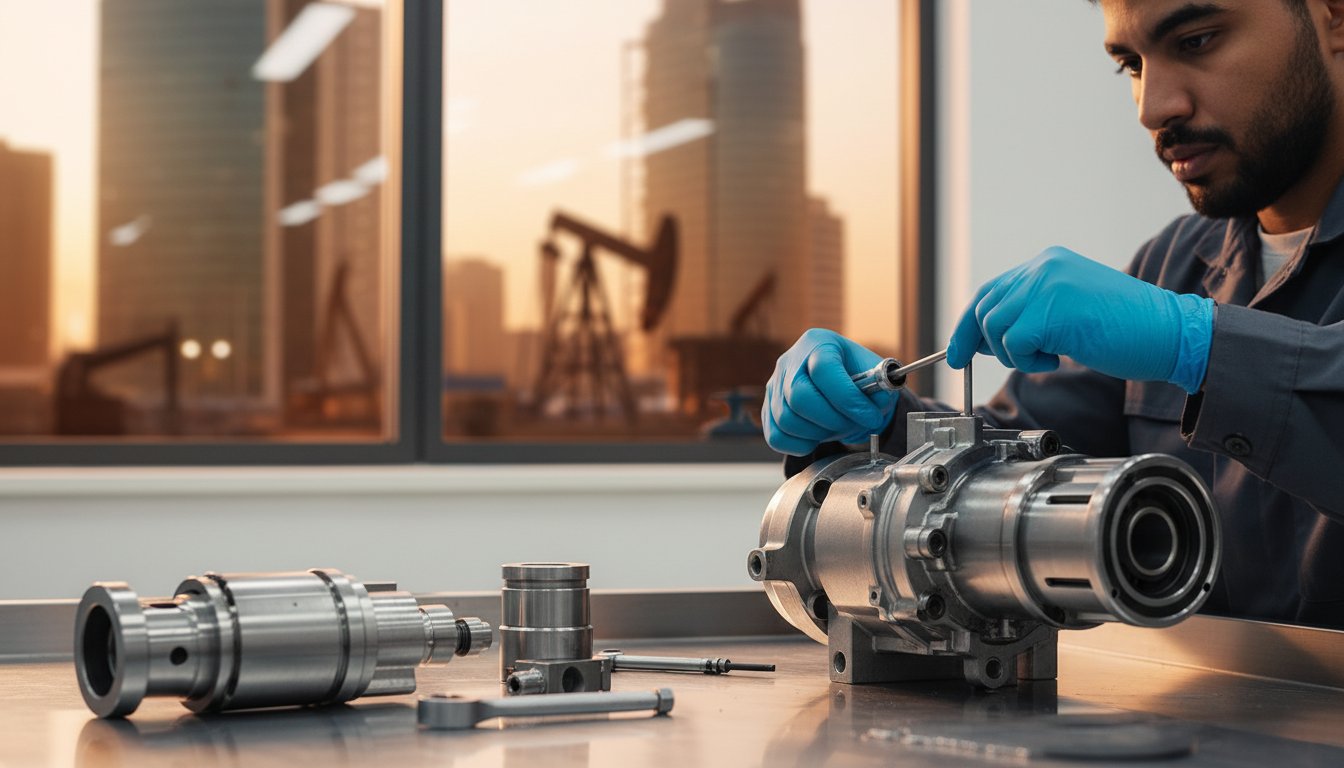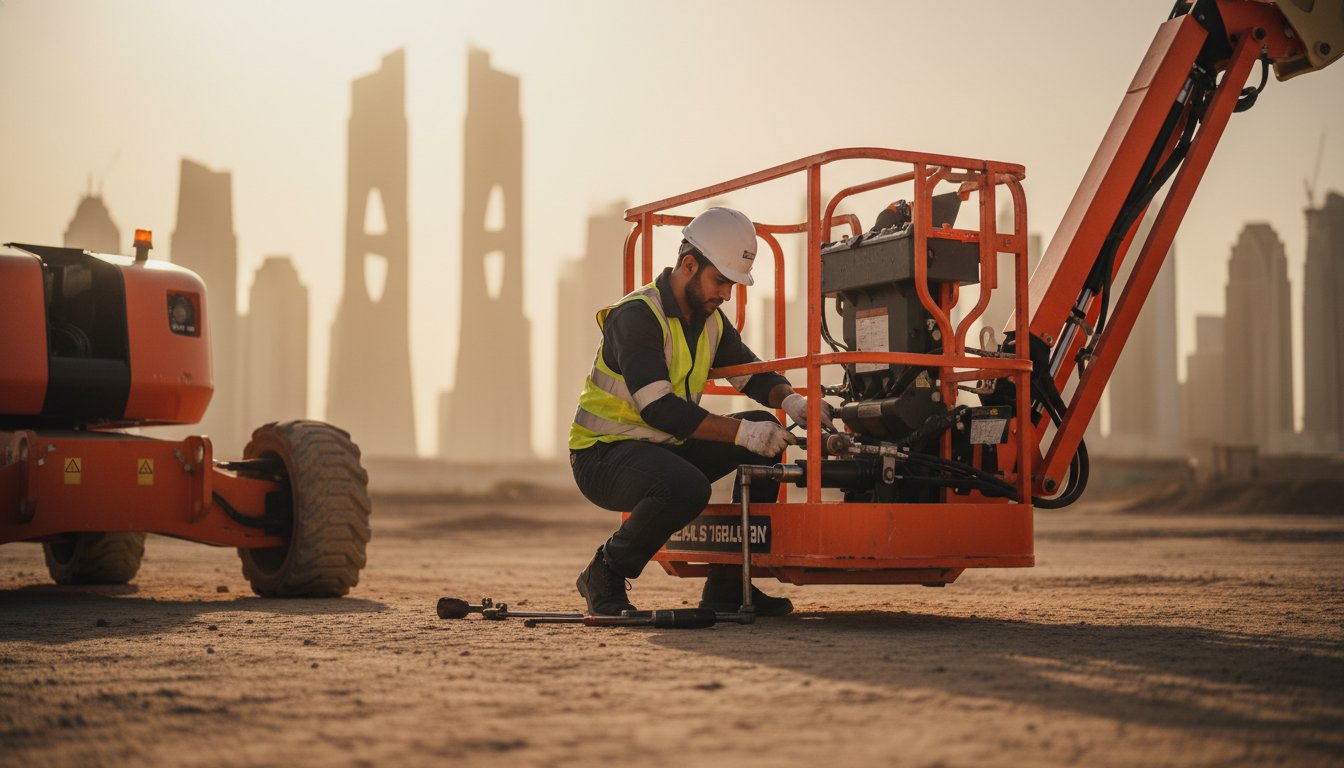
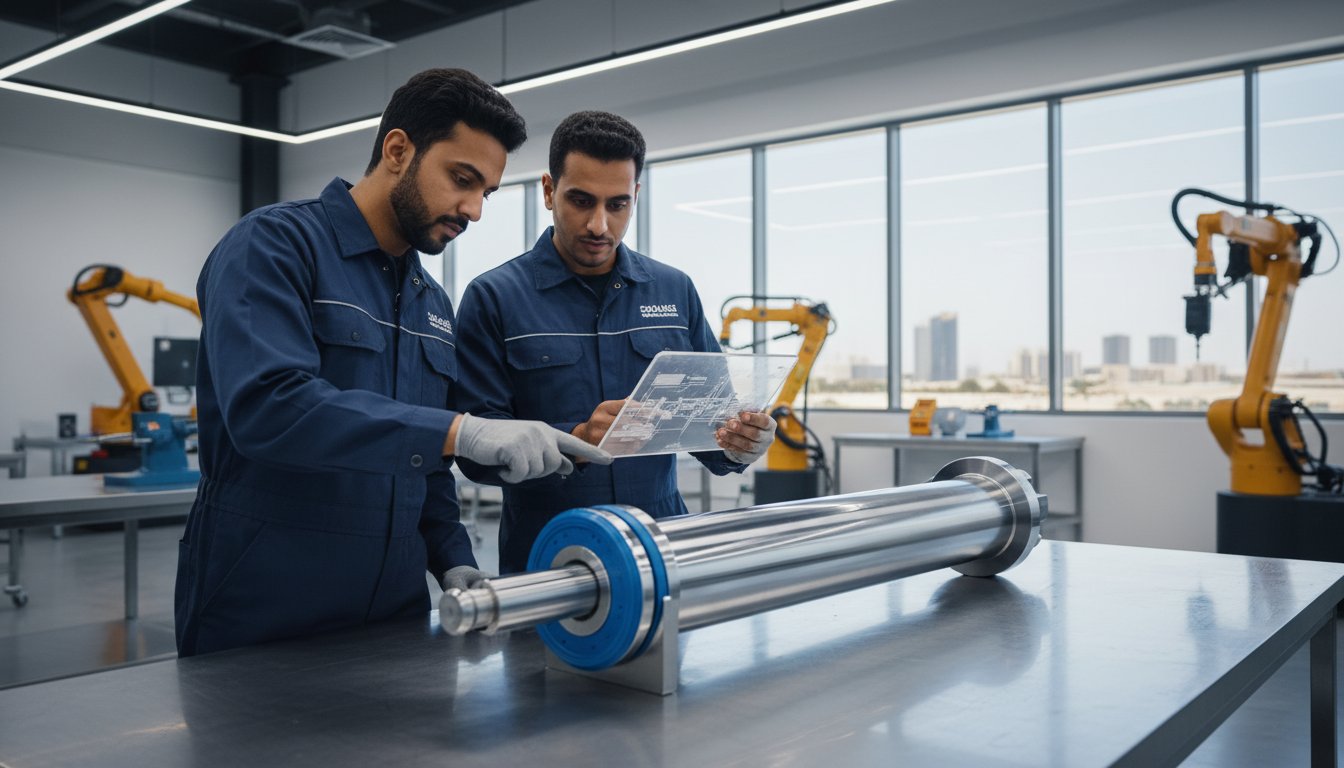
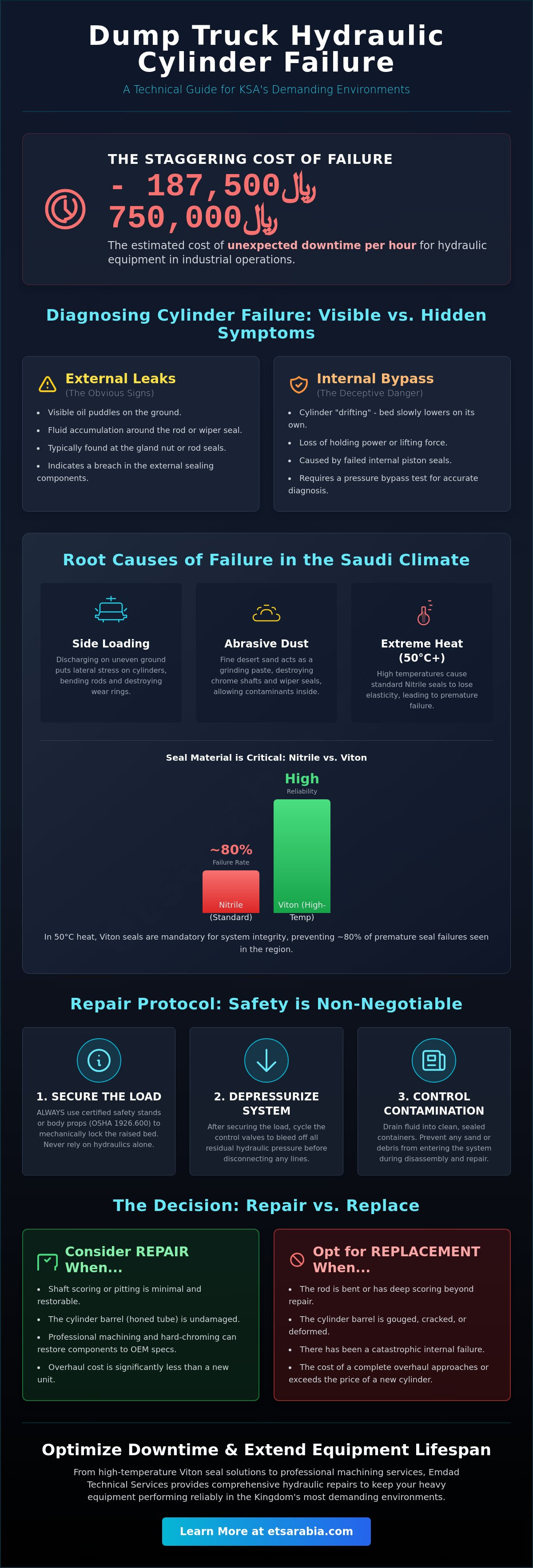
Did you know that unexpected downtime for hydraulic equipment can cost industrial operations between ﷼187,500 and ﷼750,000 per hour? In the intense heat and abrasive dust of Saudi Arabia, a minor fluid leak is rarely just a nuisance; it's a precursor to a total system failure that threatens your bottom line. You likely recognize that maintaining peak performance in Dammam or Riyadh requires more than just reactive fixes; it demands a precise approach to contamination control and component integrity.
This guide provides a comprehensive technical roadmap for dump truck hydraulic cylinder repair, helping you minimize operational interruptions and ensure reliable performance in the Kingdom's most demanding environments. We'll show you how to diagnose complex failures, implement high-temperature Viton seal solutions, and make data-driven repair versus replace decisions. By following these industry-standard protocols, you'll gain a clear understanding of how to extend the lifespan of your hydraulic systems while adhering to critical SAE and OSHA safety standards. We've designed this resource to help you optimize downtime and keep your heavy equipment moving forward efficiently.
Key Takeaways
- Identify the root causes of cylinder "drifting" and learn to distinguish between visible external fluid leaks and internal seal bypass.
- Master the essential safety protocols for dump truck hydraulic cylinder repair, including the correct use of safety stands and system depressurization.
- Establish clear criteria for repair versus replacement by evaluating shaft scoring depth and comparing overhaul costs against new units in Saudi Riyal (﷼).
- Understand why Viton seals and rigorous fluid filtration schedules are mandatory for maintaining hydraulic integrity in the extreme heat of the Saudi Arabian desert.
- Learn how professional machining and hard-chroming services in Dammam can restore damaged components to OEM specifications while minimizing operational downtime.
Diagnosing Dump Truck Hydraulic Cylinder Failures
Accurate diagnosis is the first step in effective dump truck hydraulic cylinder repair. While a puddle of oil on the ground is an obvious sign of trouble, internal failures are often far more deceptive. A Hydraulic cylinder relies on precise pressure differentials to function. When internal seals fail, oil bypasses the piston; this causes the truck bed to "drift" or slowly lower even when the control valve is in the hold position. Understanding this distinction prevents you from wasting resources on external seal kits when the problem is an internal bypass.
External leaks are typically found at the gland nut or rod seals. These are easily spotted during a walk-around. Internal leaks, however, require a bypass test. You can isolate the cylinder and monitor pressure drops to determine if the issue lies within the barrel or the directional control valve. You should also perform a rigorous visual inspection of the chrome shaft. Any sign of scoring, pitting, or "rainbowing" indicates that the rod has been subjected to extreme heat or physical abrasion. If you suspect a power issue, use a calibrated pressure gauge at the cylinder inlet. If the pump reaches its rated pressure but the bed fails to lift, the cylinder has likely suffered a catastrophic internal seal failure.
Common Symptoms of Cylinder Distress
Keep a close watch for jerky or uneven lifting movements during the dumping cycle. This "stuttering" often points to aeration, where air enters the fluid, or cavitation, which can erode metal surfaces over time. Unusual banging or squealing sounds are early warnings of mechanical binding or fluid starvation. If you notice fluid accumulation around the wiper seal, the rod seal is no longer containing the high-pressure environment. These symptoms are precursors to the unexpected downtime that costs industrial operations up to ﷼750,000 per hour.
Root Causes of Failure in Heavy Equipment
Operating heavy machinery in the Eastern Province presents unique challenges that accelerate component wear. Side loading is a frequent cause of failure. It occurs when a truck discharges on uneven ground, putting lateral stress on the telescopic stages. This bends the rod and destroys internal wear rings. Additionally, fine desert sand acts as an abrasive paste. It grinds down the chrome shaft and destroys the wiper seals. Thermal expansion also plays a massive role. In 50°C summer heat, standard nitrile seals can lose their elasticity. This leads to approximately 80% of the premature seal failures we see in the region. Choosing high-temperature Viton seals is a necessary upgrade for local conditions.
Step-by-Step Guide to Dump Truck Hydraulic Cylinder Repair
Safety is the absolute priority before beginning any dump truck hydraulic cylinder repair. A raised dump bed represents a multi-ton hazard that can be fatal if the hydraulic system fails during maintenance. You must secure the bed using certified safety stands or body props that meet OSHA 1926.600(a)(3)(i) standards. Once the bed is mechanically locked, cycle the control valves to bleed off any residual pressure. Drain the hydraulic fluid into clean, sealed containers to prevent environmental hazards and allow for later fluid analysis. This methodical approach ensures a controlled environment for the complex disassembly ahead.
Removing the cylinder head requires specialized tools, especially for large-scale telescopic units. Gland nuts often become seized due to the corrosive effects of salt or industrial chemicals used in the Eastern Province. Apply heat carefully if necessary, but avoid damaging the underlying seals or the rod's finish. Once the head is loose, carefully extract the piston rod. Technicians certified by the International Fluid Power Society emphasize that contamination control starts here. Even a single grain of desert sand introduced during disassembly can cause catastrophic scoring in the honed tube during the next operational cycle.
Telescopic Cylinder Disassembly Nuances
Multi-stage hoists present a unique challenge because each stage must be managed in a specific sequence. You must support each sleeve to prevent it from crashing down as the internal retaining rings are removed. If a gland nut is particularly stubborn, avoid using pipe wrenches that can crush or deform the tube. Instead, use a heavy-duty adjustable spanner or a custom-made pin wrench. Throughout this process, wrap the chrome surfaces in protective padding. A minor nick on the chrome shaft can lead to immediate seal failure once the unit is pressurized to its typical 2,500 to 3,000 PSI operating range.
Inspection and Component Evaluation
After disassembly, you must perform a rigorous inspection of every internal component. Use a dial bore gauge to check the cylinder's honed tube for "out-of-round" wear patterns. If the bore shows more than 0.127 mm of ovality, the seals won't seat correctly, leading to internal bypass. Inspect the piston for hairline cracks or loose mounting hardware that could cause a mechanical breakdown. You should also evaluate the buffer seals and wear rings; these components are designed to sacrifice themselves to protect the more expensive metal parts. If your inspection reveals deep scoring or structural fatigue, our team provides specialized hydraulic repair services to restore your components to OEM specifications.
Clean all parts using a non-residue solvent before reassembly. When installing new seals, use a high-spec lubricant to prevent "dry start" damage. Ensure that every seal is oriented correctly; installing a U-cup backwards is a common mistake that leads to immediate leaks. Final assembly should always involve a low-pressure bench test to verify seal integrity before the cylinder is reinstalled on the truck.
Repair vs. Replacement: Evaluating Cylinder Damage
Choosing between a professional overhaul and a total replacement is a critical commercial decision that impacts both your immediate budget and long-term operational reliability. A high-quality dump truck hydraulic cylinder repair typically costs between 40% and 60% of the price of a new unit. When you consider that a new telescopic hoist for a heavy-duty tipper can cost upwards of ﷼25,000, the savings from a certified repair are substantial. However, the decision shouldn't be based on price alone. You must evaluate the structural integrity of the component to ensure it can withstand the 210-bar pressures common in industrial lifting cycles.
The condition of the chrome shaft is often the deciding factor. While some social media advice suggests discarding any scratched rod, professional engineering standards tell a different story. If scoring depth is less than 0.25 mm, the rod can often be polished or re-chromed to original specifications. If the scoring exceeds this depth or if the rod shows signs of "pitting" from chemical exposure, the structural thickness of the chrome layer is compromised. In these cases, re-chroming at a specialized facility is a viable alternative to the 12-week lead times often associated with ordering new OEM shafts from overseas.
When Repair is the Logical Choice
Repair is almost always the most efficient path when the damage is limited to seal degradation or minor surface wear. If the cylinder is experiencing "drifting" but the internal bore is smooth, a professional seal replacement and bench test will restore the unit to 100% efficiency. This is particularly true when you have access to specialized hydraulic repair services in Dammam. Localized repair doesn't just save money; it eliminates the logistical nightmare of international shipping and customs delays. Most standard overhauls can be completed in 48 to 72 hours, which is a fraction of the time required to source a replacement unit in the current global supply chain.
Signs that Replacement is Mandatory
There are instances where a cylinder is technically "beyond economical repair." If the cylinder barrel shows any signs of bulging or deformation, it means the steel has exceeded its yield point due to an over-pressurization event. This is a permanent structural failure. Similarly, deep cracks in the mounting eyes or the base plate pose a catastrophic safety risk. You can't safely weld these high-stress areas without compromising the heat treatment of the metal. If a bypass test reveals that the internal bore is deeply scarred, the cost of honing the tube to an oversize dimension and sourcing custom-sized pistons often exceeds the cost of a new unit. In these specific scenarios, investing in a new Rexroth or Parker cylinder is the only way to guarantee the safety of your crew.
Protecting Your Hydraulics in the Saudi Arabian Climate
Operating heavy machinery in the Eastern Province or the Rub' al Khali isn't just hard on operators; it's brutal on the hardware. Standard seals often fail within 2,000 operating hours in KSA, which is less than half of the 5,000-hour lifespan expected in temperate climates. This premature degradation happens because standard nitrile (NBR) seals become brittle and lose their elasticity when exposed to the 50°C ambient temperatures common during the Saudi summer. Upgrading to Viton (FKM) seals during your next dump truck hydraulic cylinder repair is a non-negotiable step for any fleet manager serious about reliability.
Fluid management serves as your second line of defense against the desert. You should exclusively use hydraulic oils with a Viscosity Index (VI) of 150 or higher. Low-VI oils thin out rapidly under thermal stress; this causes the fluid to lose its lubricating film and leads to metal-on-metal contact within the cylinder stages. We recommend implementing a strict fluid sampling schedule every 500 operating hours. By monitoring silicon levels in the oil, you can detect sand ingress before it grinds down your expensive chrome shafts. This proactive approach is the only way to avoid the ﷼750,000 per hour downtime costs associated with major system failures.
Combating Sand and Dust Ingress
Sand is the silent killer of hydraulic systems in Saudi Arabia. Fine particulate matter in industrial zones like Jubail can be as small as 2 microns, allowing it to slip past standard wiper seals. Once inside, these particles act as an abrasive paste that destroys internal wear rings. You should upgrade to heavy-duty, double-lip wiper seals that provide a more aggressive cleaning action on the rod's return stroke. For cylinders that remain extended for long periods, installing protective bellows or "boots" can reduce particle ingress by up to 60%. When storing spare cylinders, always keep them horizontal and fully retracted in a climate-controlled warehouse to prevent seal drying and rod corrosion.
Managing Thermal Stress on Hydraulic Systems
Heat management extends far beyond the hydraulic reservoir. You must ensure your industrial lubrication systems are delivering the correct grade of high-temperature grease to all pivot pins and bushings. If a pin binds due to lubricant failure, it creates a side-load that can bend even the thickest telescopic rod. If your project timeline allows it, schedule your heaviest lifting operations between 5:00 AM and 10:00 AM. This avoids peak solar radiation and prevents hydraulic oil temperatures from exceeding the critical 82°C threshold. If you are experiencing repeated seal failures despite regular maintenance, contact ETS for a professional climate-optimized hydraulic audit of your equipment.
Professional Hydraulic Services at Emdad Technical Services (ETS)
Operational continuity is the heartbeat of any industrial project in the Kingdom. Our specialized facility in Dammam serves as a high-tech hub for precision engineering, specifically tailored to the needs of the construction and mining sectors. When a telescopic hoist arrives at our workshop, it undergoes a comprehensive diagnostic review that goes beyond a simple seal swap. We utilize precision machining to rectify bore ovality and offer advanced re-chroming for shafts that have suffered from the abrasive desert conditions discussed in previous sections. This capability allows us to restore components that others might discard, saving you significant capital expenditure while ensuring the final product meets or exceeds original performance specifications.
We understand that every hour your truck sits idle is an hour of lost revenue. To address this, we maintain an extensive local inventory of high-spec seals, fittings, and chrome shafts, significantly reducing the lead times often associated with international procurement. Our technicians are experts in dump truck hydraulic cylinder repair, working with industry-leading brands like Rexroth and Parker to guarantee a seamless fit and long-term reliability. Whether you require a standard overhaul or custom fabrication for unique heavy equipment, our team delivers solutions that are engineered to withstand the 210-bar pressures and extreme thermal stress of the Saudi landscape.
Why Choose ETS for Your Hydraulic Repairs?
Expertise You Can Trust is more than just a slogan; it's our operational standard. Our team possesses deep technical knowledge in hydraulic power unit integration and system-wide diagnostics, allowing us to identify if a cylinder failure is being caused by a faulty pump or a contaminated reservoir. We're committed to a "Reliable Performance Guaranteed" philosophy, ensuring that every repair is bench-tested under load before it leaves our facility. By combining local support in the Eastern Province with global component partnerships, we provide the specialized care your fleet deserves while optimizing downtime and maximizing your equipment's lifespan.
Get Your Equipment Moving Again
Minimizing your operational interruptions starts with a professional assessment. If your fleet is experiencing jerky movements, fluid leaks, or bed drifting, don't wait for a catastrophic failure to occur. You can request a comprehensive diagnostic assessment by contacting our Dammam-based technical team today. We offer a rapid response timeline for urgent industrial repairs, providing you with a clear, detailed quote in Saudi Riyal (﷼) and an accurate completion schedule. Choose ETS for a partner who delivers the expertise, reliability, and precision-engineered solutions that keep your operations moving forward in the most demanding environments.
Maximizing Fleet Reliability in the Saudi Industrial Sector
Mastering the technical nuances of dump truck hydraulic cylinder repair is essential for maintaining operational momentum in the Kingdom. You've learned that success depends on precise contamination control and the use of climate-resilient components like Viton seals to combat the 50°C heat. By prioritizing proactive diagnostics and evaluating repair options against the long lead times often associated with new imports, you can significantly reduce the ﷼750,000 per hour costs of unexpected downtime.
ETS provides the expert support you need to keep your systems in motion. Our strategic location in Dammam 2nd Industrial City houses a comprehensive stock of chrome shafts and honed tubes; this allows for rapid turnaround on even the most complex telescopic overhauls. With deep expertise in Rexroth and Parker components, we ensure your equipment returns to the field with our signature "Reliable Performance Guaranteed."
Contact ETS for Fast, Reliable Hydraulic Cylinder Repair in Dammam and ensure your operations never miss a beat. We're ready to help you optimize your equipment's lifespan and secure your project deadlines today.
Frequently Asked Questions
How long does a typical dump truck hydraulic cylinder repair take?
A professional dump truck hydraulic cylinder repair typically takes between 48 and 72 hours for a standard seal replacement and overhaul. This timeline includes disassembly, thorough cleaning, component inspection, and final bench testing at rated pressure. If your unit requires specialized machining or re-chroming of the rod, the process can extend to five business days. We focus on a rapid turnaround to minimize the ﷼750,000 per hour downtime costs associated with idle heavy equipment.
Can I replace the seals on a telescopic cylinder without removing it from the truck?
You shouldn't attempt to replace seals while the cylinder is still mounted to the vehicle. While field repairs might seem faster, the risk of contamination from desert sand and dust is far too high in the Eastern Province. A proper repair requires a clean, controlled environment to prevent abrasive particles from entering the system. Furthermore, managing the heavy telescopic stages safely requires specialized lifting equipment that isn't available in the field.
What causes a hydraulic cylinder to leak after a fresh seal replacement?
Post-repair leaks are usually caused by underlying barrel damage or improper installation techniques. If the cylinder's honed tube has more than 0.127 mm of ovality, new seals won't be able to maintain a consistent high-pressure interface. Leaks also occur if the seals were installed without proper lubrication, leading to "dry start" tearing. This is why we perform rigorous bore measurements and pressure tests on every unit to ensure a long-term fix.
Is it worth re-chroming a cylinder rod, or should I just buy a new one?
Re-chroming is a highly cost-effective alternative when rod scoring depth is less than 0.25 mm. This process typically saves you 40% to 50% compared to the cost of a new OEM shaft. Given that international lead times for new parts can exceed 12 weeks, our local re-chroming services in Dammam allow you to get your equipment back to work much faster without sacrificing structural integrity or performance.
How often should I change the hydraulic fluid in my dump truck?
You should change your hydraulic fluid every 2,000 operating hours, but the harsh Saudi Arabian climate often requires a stricter schedule. We recommend performing fluid sampling every 500 hours to monitor for silicon ingress and thermal oxidation. If your oil shows signs of thinning or contamination before the 2,000-hour mark, you must replace it immediately to protect your pumps and cylinders from premature wear.
What is the most common cause of cylinder failure in Saudi Arabian construction sites?
Heat-induced seal degradation combined with sand ingress is the leading cause of failure on local job sites. When ambient temperatures hit 50°C, standard nitrile seals become brittle and lose their ability to wipe the rod clean. This allows fine desert dust to enter the system, where it acts as an abrasive paste that scores the chrome rod and destroys internal wear rings. Upgrading to Viton seals is a proven solution for these extreme conditions.
Can a bent hydraulic rod be straightened, or must it be replaced?
A bent rod must always be replaced to ensure the safety of your operations. Attempting to straighten a rod introduces internal stress fractures in the steel that can lead to a catastrophic snap under high-pressure loads. Even a minor bend of 0.5 mm will cause the rod to bind against the gland nut, destroying your new seals and potentially damaging the cylinder barrel beyond repair. We stock a wide range of chrome shafts to provide fast, safe replacements.
How do I know if my hydraulic pump is the problem instead of the cylinder?
You can isolate the issue by using a calibrated pressure gauge at the cylinder's inlet port. If the pump delivers its rated pressure (usually between 2,500 and 3,000 PSI) but the bed still drifts or fails to lift, the internal cylinder seals have failed. If the system cannot reach the manufacturer's specified pressure, the problem likely lies with the pump, a worn relief valve, or a restriction in the hydraulic hoses.