On any demanding worksite in Saudi Arabia, unexpected equipment failure is more than an inconvenience-it's a direct threat to your project timeline and budget. A single hydraulic issue on your telehandler can lead to costly delays measured in thousands of Riyals, derailing progress and impacting your bottom line. Concerns about operator safety, the high cost of emergency repairs, and the difficulty in finding reliable technicians only add to the pressure of keeping your projects moving forward efficiently.
This comprehensive guide provides the expert solutions you need. We will deliver clear, actionable insights into safe telehandler operation, essential daily maintenance procedures, and effective troubleshooting for common hydraulic problems. By mastering these core principles, you can enhance worksite safety, extend the operational life of your valuable equipment, and minimize the risk of costly interruptions. Our goal is to empower you with the knowledge to guarantee reliable performance and keep your operations on schedule.
Understanding the Core Components of a Telehandler
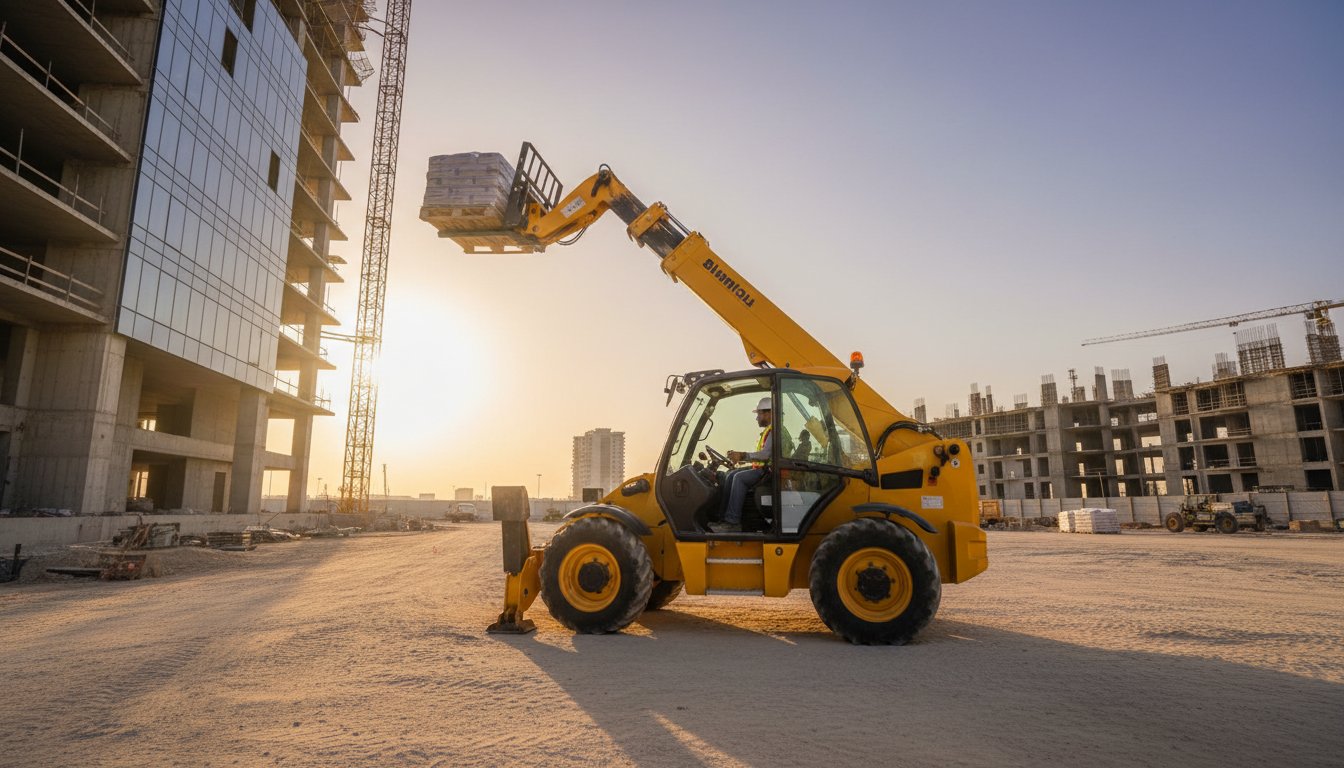
Often described as a powerful hybrid of a crane and a forklift, the telehandler, or telescopic handler, offers unmatched versatility on demanding job sites across Saudi Arabia. Its unique design allows it to perform tasks that would otherwise require multiple machines. A comprehensive Telescopic handler overview reveals a complex system of integrated parts. Understanding these core components is not merely technical knowledge; it is the key to ensuring reliable performance, conducting effective troubleshooting, and minimizing costly operational downtime.
The Telescopic Boom and Chassis
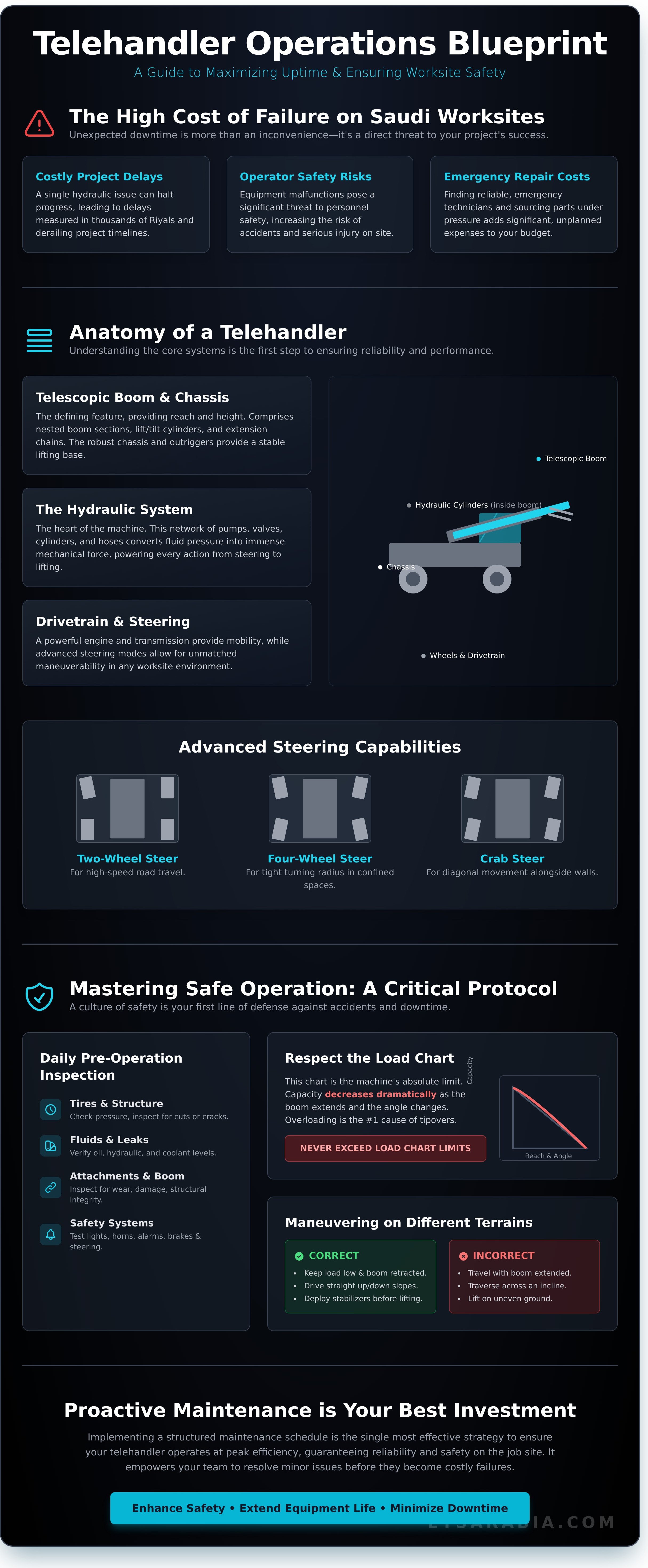
The defining feature of any telehandler is its telescopic boom. This assembly, which extends and retracts to provide reach and height, consists of several critical parts requiring regular inspection. These include the nested boom sections, powerful lift and tilt cylinders, and the internal extension chains. Smooth operation is guaranteed by wear pads, which prevent metal-on-metal friction. This entire superstructure is mounted on a robust chassis, which, along with outriggers or stabilizers, creates a secure and stable base for lifting heavy loads safely, even on uneven terrain.
The Hydraulic System: The Heart of the Machine
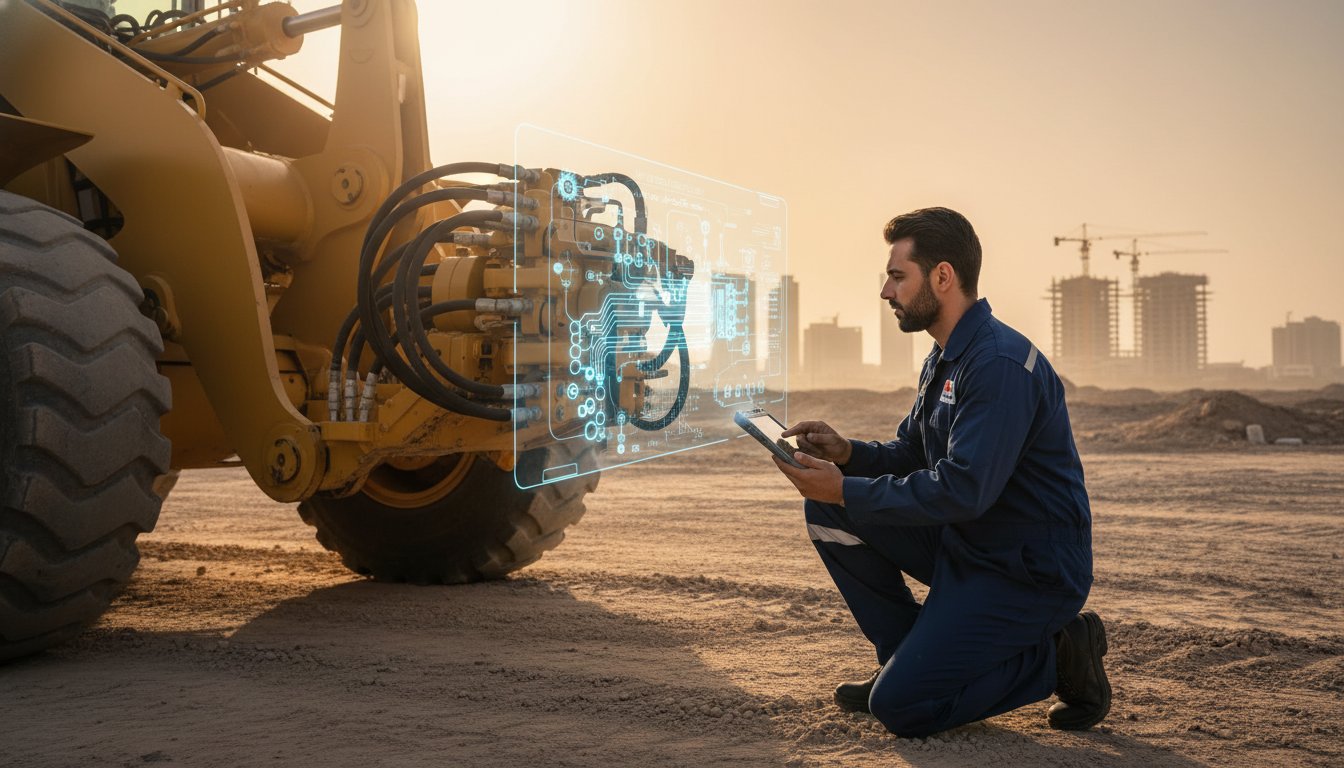
The hydraulic system is the powerhouse that drives every function of the machine. It is an intricate network of components working in unison to generate immense force. Key elements include:
- The Pump: Pressurizes the hydraulic fluid.
- Valves: Direct the flow of fluid to control specific actions.
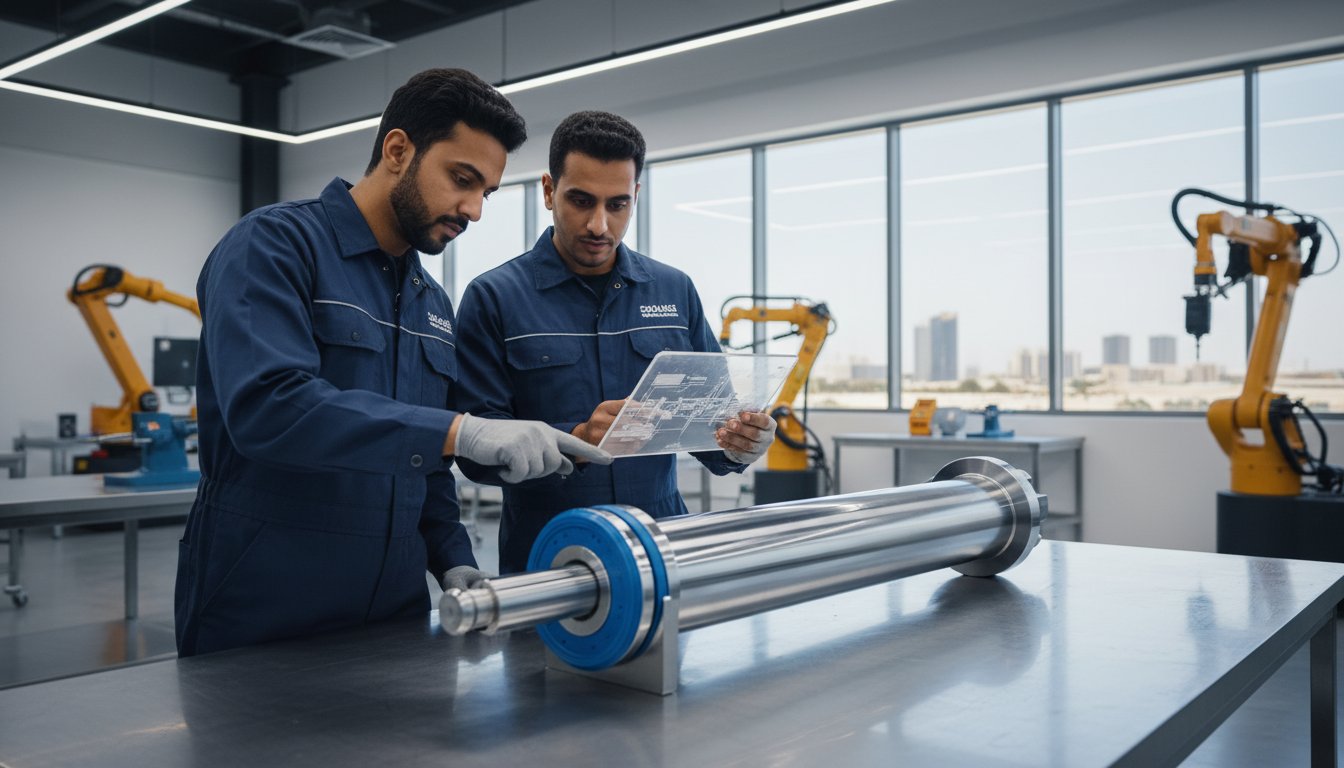
- Cylinders: Convert hydraulic pressure into mechanical movement for lifting and tilting.
- Hoses and Fittings: Transport the high-pressure fluid throughout the system.
From steering the wheels to extending the boom, every action relies on precise hydraulic pressure. The integrity of this system is paramount for both operational efficiency and on-site safety.
Drivetrain and Steering Modes
Powered by a robust engine and transmission, the drivetrain delivers power to the axles for superior mobility. What truly sets this equipment apart is its advanced steering capabilities. Operators can switch between three distinct modes to adapt to any environment:
- Two-Wheel Steer: Ideal for high-speed travel on roads.
- Four-Wheel Steer: Provides a tighter turning radius for navigating confined spaces.
- Crab Steer: Allows the machine to move diagonally, perfect for maneuvering alongside walls or obstacles on tight construction sites in cities like Riyadh, Jeddah, and Dammam.
Mastering Safe Telehandler Operation: Best Practices
A telehandler is an exceptionally powerful and versatile machine, but its advanced capabilities demand an unwavering commitment to safety. Proper operation is the first and most critical line of defence against accidents, ensuring the protection of your personnel and the integrity of your assets. Adhering to rigorous safety protocols is not merely about compliance; it is a fundamental strategy for minimizing costly downtime and maximizing operational productivity. While site-specific regulations in Saudi Arabia are paramount, a comprehensive safety plan often incorporates global best practices, such as those outlined in the OSHA forklift safety standards, to create a robust framework. A culture of safety begins with a structured approach to operation-before, during, and after every use.
Pre-Operation Walk-Around Inspection
Before any work begins, a thorough visual inspection is mandatory. This routine check ensures the equipment is in optimal condition and safe to operate, preventing mechanical failures that could lead to accidents. Your daily checklist should be systematic and comprehensive.
- Tires and Structure: Check tire pressure and look for any cuts or damage. Inspect the chassis for cracks or signs of stress.
- Fluids and Leaks: Verify engine oil, hydraulic fluid, and coolant levels. Look for any active leaks on the ground beneath the machine.
- Attachments and Boom: Inspect forks, buckets, or other attachments for wear or damage. Examine the boom sections for structural integrity.
- Safety Systems: Confirm that all lights, horns, and backup alarms are fully functional. Test the brakes and steering for responsiveness.
Understanding and Using Load Charts
The single most critical aspect of safe telehandler operation is understanding and respecting the machine's load chart. This chart, located in the operator's cab, is not a guideline-it is the absolute limit of the machine's capability. It details the maximum weight the machine can lift based on the boom's angle and extension. As the boom extends or the angle changes, the lifting capacity decreases significantly. Overloading the machine by exceeding the limits specified on the chart is the leading cause of tipovers and catastrophic equipment failure.
Maneuvering on Different Terrains
A key advantage of a telehandler is its ability to navigate rough terrain, but this requires skill and caution. When traveling, always keep the load as low to the ground as possible and the boom retracted to maintain a low center of gravity. On slopes, drive straight up or down-never traverse across the incline, as this dramatically increases the risk of a lateral tipover. On uneven ground, reduce speed and deploy stabilizers before lifting a load to create a firm, level base for the operation.
Proactive Telehandler Maintenance: A Checklist for Peak Performance
In any demanding industrial or construction environment in Saudi Arabia, unplanned downtime is not just an inconvenience-it's a direct hit to your project timeline and profitability. Proactive maintenance is the single most effective strategy to ensure your telehandler operates at peak efficiency, guaranteeing reliability and safety on the job site. Implementing a structured maintenance schedule empowers your team to identify and resolve minor issues before they escalate into costly failures. Following established best practices for Telehandler inspection and maintenance is not just a recommendation; it is essential for operational excellence and asset protection.
Daily Checks (Before Every Shift)
A thorough pre-operation inspection is a non-negotiable first step to a safe and productive day. This quick but critical routine can prevent unexpected breakdowns and ensure the machine is ready for the demands of the shift.
- Fluid Levels: Check the engine oil and hydraulic fluid levels, topping up as necessary with manufacturer-approved fluids.
- Hydraulic Hoses: Visually inspect all hydraulic hoses for cracks, abrasions, bulges, or leaks. Pay close attention to fittings and connection points.
- Lubrication: Grease all lubrication points on the boom and chassis to ensure smooth movement and reduce component wear.
- Function Test: Start the machine and test all controls, including boom extension/retraction, tilt, and steering, to confirm smooth and responsive operation.
Weekly and Monthly Inspections
Deeper inspections on a regular schedule are crucial for identifying developing wear and tear. These checks go beyond the daily visual overview to assess the condition of key operational systems, ensuring the long-term health of your equipment.
- Tires: Check tire pressure and inspect for deep cuts, excessive wear, or damage that could compromise stability.
- Boom Components: Inspect boom chains for proper tension and look for signs of stretching or damage. Check wear pads for excessive wear.
- Filters: Clean or replace the engine air filter and fuel filters according to the service schedule or operating conditions.
- Hydraulic System: Examine the condition of hydraulic filters and check the clarity and quality of the hydraulic fluid.
The Importance of Hydraulic Fluid and Filters
The hydraulic system is the heart of your telehandler. Clean, high-quality hydraulic fluid is its lifeblood, essential for lubricating components, dissipating heat, and transmitting power efficiently. Contaminated fluid, filled with microscopic particles of metal, dirt, or water, acts like liquid sandpaper, accelerating wear on pumps, valves, and cylinders. This leads directly to reduced performance, system overheating, and eventual catastrophic failure, resulting in significant repair costs and extended downtime. Adhering strictly to the manufacturer's service intervals for fluid and filter changes is a critical investment in your machine's longevity and reliability. Need quality hydraulic filters and fluids? Contact ETS.
Troubleshooting Common Telehandler Hydraulic Problems
Even the most reliable telehandler can experience issues, and hydraulic problems are a leading cause of operational downtime. Understanding the symptoms can help you identify the root cause quickly, minimize costly interruptions, and determine when to call for professional service. Here are some of the most frequent hydraulic challenges and how to address them.
Symptom: Sluggish or Jerky Hydraulic Functions
If the boom lifts slowly, the forks tilt erratically, or the machine's movements are no longer smooth, you are likely facing a hydraulic flow or pressure issue. This can severely impact productivity and precision on job sites across Saudi Arabia.
- Potential Causes: The most common culprits are low hydraulic fluid, a clogged hydraulic filter restricting flow, or a worn and inefficient hydraulic pump.
- First Steps: Begin with the simplest checks. With the machine off and on level ground, verify the hydraulic fluid level and top it up if necessary. Inspect the hydraulic filter; if it appears dirty or is past its service interval, replace it.
- When to Call a Pro: If these basic steps do not restore performance, the problem likely lies with the pump or another internal component. This requires expert diagnostics to prevent further damage.
Symptom: Visible Hydraulic Fluid Leaks
Puddles under the machine or visible fluid on hoses and fittings are clear signs of a leak. Common sources include worn-out seals, cracked or abraded hoses, or loose fittings. Leaks are not just a maintenance issue; they pose significant safety and environmental risks, creating slip hazards and contaminating the work area. Never operate a machine with a significant hydraulic leak.
Symptom: Boom Drifts Down or Won't Hold a Load
This is a critical safety failure that requires immediate attention. If you raise the boom and it slowly lowers on its own, the cause is almost always an internal leak in a lift cylinder or a faulty holding valve. This indicates the machine cannot be trusted to hold a load securely, creating a severe risk of accidents and injuries. The telehandler must be taken out of service immediately and locked out until it is professionally repaired.
Why Expert Hydraulic Repair is Crucial
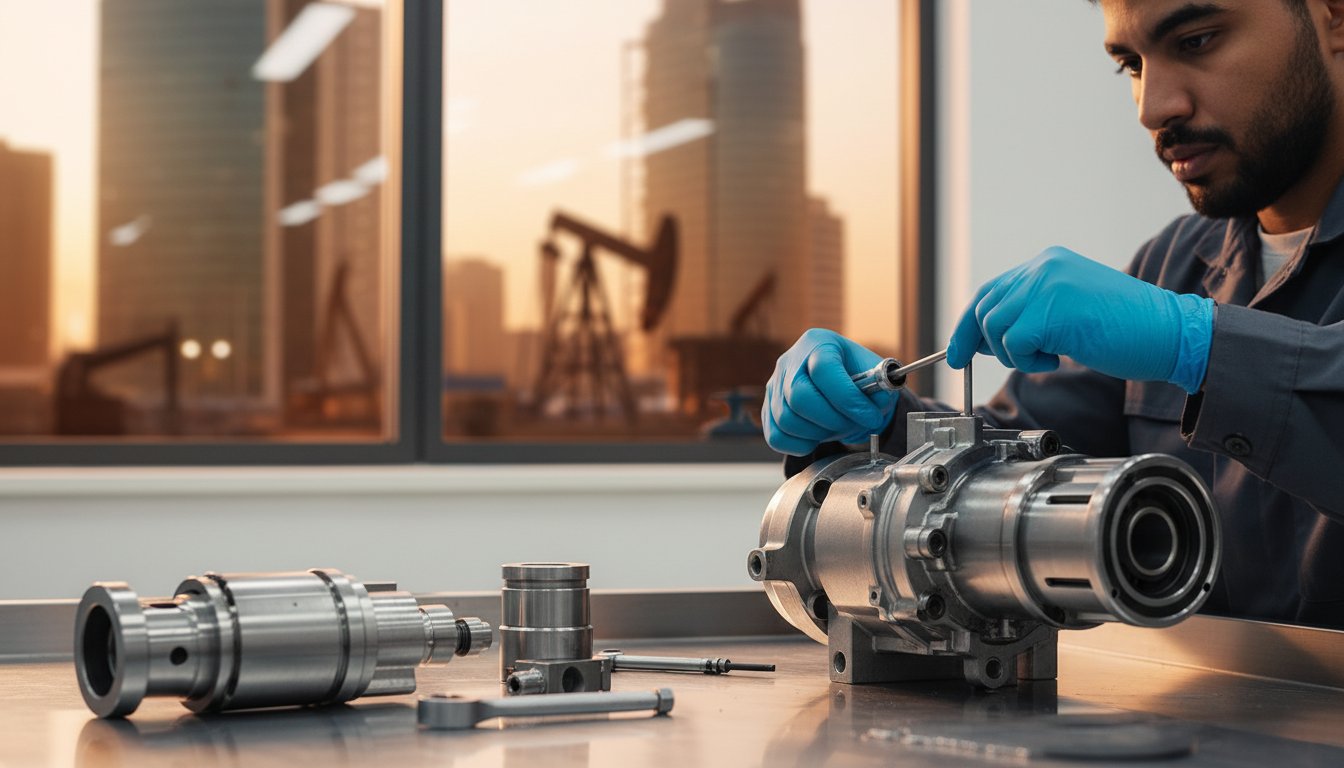
Attempting to repair a high-pressure hydraulic system without proper training and tools is extremely dangerous. Incorrect procedures can lead to catastrophic component failure, high-pressure fluid injection injuries, or uncontrolled machine movements. The expert technicians at ETS use advanced diagnostic equipment to accurately pinpoint the root cause of the failure, ensuring a reliable and lasting solution.
We provide efficient, quality repairs that guarantee your equipment operates safely and productively, minimizing downtime. Facing hydraulic issues? Schedule an expert diagnosis with ETS.
Ensuring Peak Telehandler Performance and Reliability
Mastering your equipment is a commitment to rigorous safety protocols and proactive maintenance. As this guide has detailed, a consistent maintenance schedule and a clear understanding of core components are your best defenses against unexpected failures and costly operational delays, ultimately safeguarding your valuable assets in the demanding Saudi Arabian market.
When routine checks reveal complex issues, particularly with hydraulic systems, a reliable partner is essential to minimize downtime. Emdad Technical Services provides fast, efficient, and reliable solutions engineered to keep your operations in constant motion.
As specialists in hydraulic system diagnostics and repair, we offer prompt service in Dammam and across Saudi Arabia. We ensure your equipment is restored with high-quality spare parts from global brands, guaranteeing lasting performance. For expert telehandler repair and parts supply, contact Emdad Technical Services today.
Invest in professional care and expertise to ensure your machinery remains a powerful, productive force for your business.
Frequently Asked Questions
What is the main difference between a telehandler and a forklift?
The primary difference lies in their reach and versatility. A standard forklift uses a vertical mast to lift loads up and down. In contrast, a telehandler is equipped with a telescopic boom that can extend forward and upward, providing significantly greater height and reach. This boom allows it to function more like a crane, placing materials on rooftops or deep within structures, which a forklift cannot do. This makes the telehandler a more versatile machine for complex job sites.
How much weight can a typical telehandler lift?
The lifting capacity of a telehandler varies significantly depending on the specific model and the boom's extension and angle. Compact models may lift around 2,500 kg, while larger, heavy-duty machines can handle loads exceeding 20,000 kg. It is critical to always consult the machine's load chart before any operation, as the maximum capacity decreases the further the boom is extended. This ensures safe operation and prevents equipment failure.
Do you need a special license to operate a telehandler in Saudi Arabia?
Yes, a specific certification is required to operate a telehandler in Saudi Arabia. Operators must hold a valid Heavy Equipment Operator License, which is often certified by approved third-party bodies or major entities like Saudi Aramco. This regulation ensures that all operators are properly trained in safe handling procedures, machine capabilities, and site safety protocols. Operating without the correct certification is a violation of Kingdom-wide safety standards and can result in severe penalties.
What are the most common uses for a telehandler in construction and industry?
In construction, telehandlers are essential for lifting materials like bricks, steel beams, and tools to upper levels of a building. They are also used for placing scaffolding and assisting with roofing tasks. In industrial settings, their applications include loading and unloading heavy goods from trucks, moving large components within a factory, and managing inventory in large storage yards. Their ability to handle rough terrain makes them invaluable for both developed and undeveloped sites.
How often should the hydraulic oil be changed in a telehandler?
As a general guideline, hydraulic oil should be changed every 1,000 to 2,000 operating hours. However, this interval can be affected by the machine's model, the intensity of its use, and the working environment. Dusty and high-temperature conditions, common in Saudi Arabia, may require more frequent changes. For optimal performance and to prevent costly downtime, it is crucial to adhere to the specific maintenance schedule outlined in the manufacturer's service manual.
Can any attachment be used on any telehandler?
No, attachments are not universally interchangeable between telehandlers. Each attachment, such as a bucket, fork, or jib, is designed for a specific load capacity, weight, and hydraulic system. Using an incompatible or non-approved attachment can dangerously overload the machine, lead to hydraulic failure, and compromise operator safety. Always use attachments that are specifically approved by the manufacturer for your telehandler model to ensure reliable performance and maintain warranty coverage.