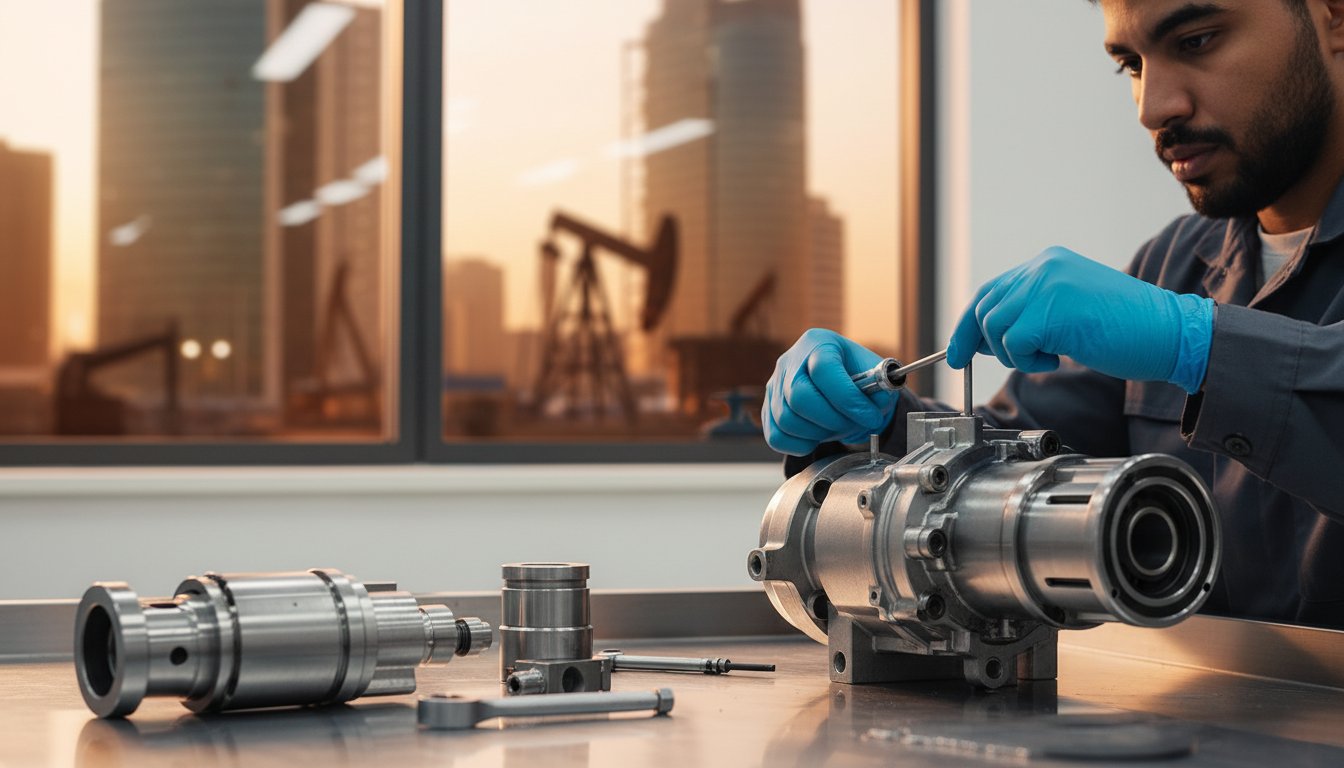
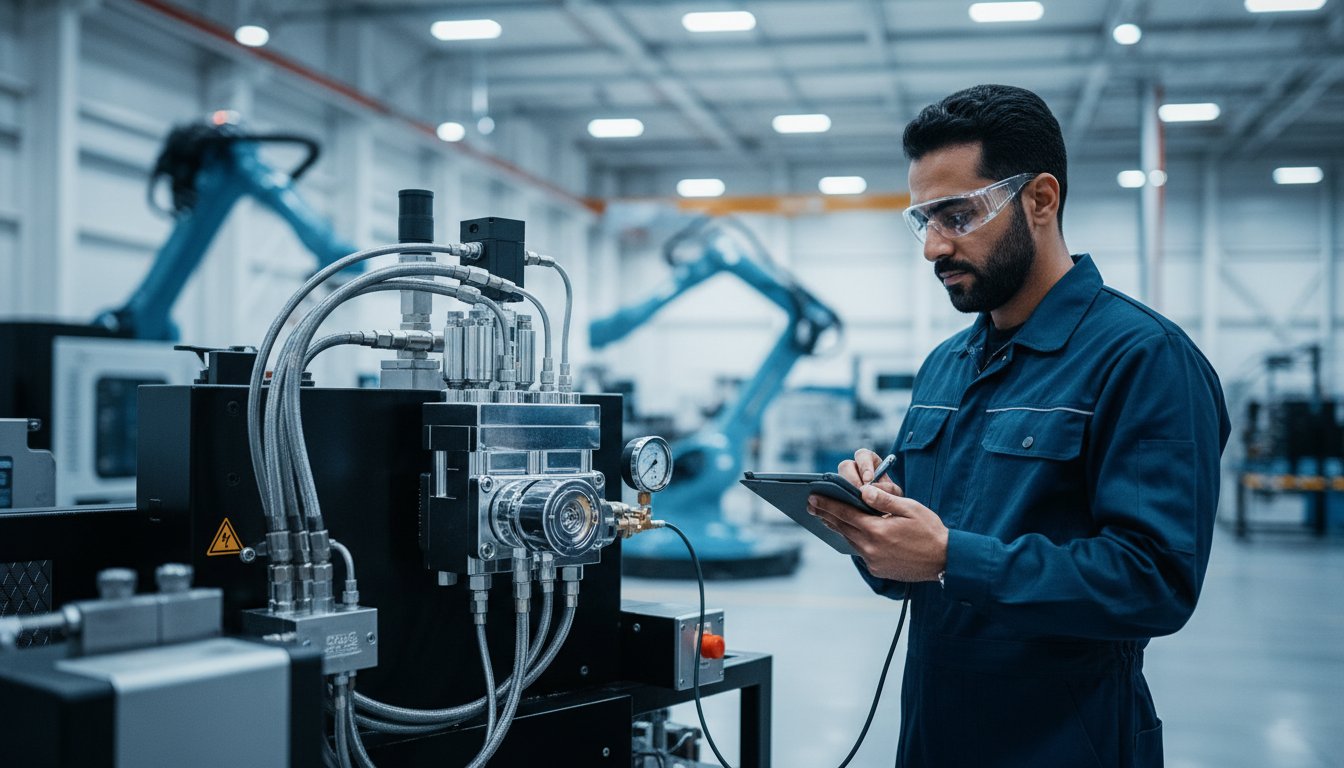
An unexpected hydraulic system failure is more than a minor setback; it's a direct threat to your production schedule, budget, and the safety of your personnel. In Saudi Arabia's competitive industrial landscape, every hour of unscheduled downtime can cost thousands of Riyals in lost revenue and emergency repair fees, disrupting your entire workflow. The most effective strategy to move from reactive crisis management to proactive control is implementing a robust program for preventative maintenance for hydraulic equipment. This is the key to guaranteeing operational reliability and maximizing productivity.
This ultimate guide is engineered to provide the expert solutions you need. We will walk you through the essential steps to master a preventative maintenance program that delivers tangible results. You will learn how to create an effective schedule, identify early warning signs of failure, and implement an actionable checklist. Prepare to reduce costly interruptions, extend the life of your critical machinery, and transform unpredictable repair bills into a manageable, predictable budget, ensuring your operations are always moving forward.
Key Takeaways
- Shift from a costly 'fix-it-when-it-breaks' approach to a proactive one to significantly reduce operational downtime and protect your bottom line.
- Discover why hydraulic fluid is your system's most critical component and how proper fluid management can prevent the vast majority of equipment failures.
- Implement a structured program for preventative maintenance for hydraulic equipment using our detailed checklist to spot early warning signs before they cause catastrophic damage.
- Recognize when a maintenance task requires specialized expertise and how partnering with technical experts can optimize your program for maximum reliability and performance.
The True Cost of Neglect: Why Reactive Maintenance Fails
In today's competitive industrial landscape, the "fix it when it breaks" approach to equipment management is no longer viable. This reactive mindset leads to unpredictable failures and costly interruptions. Shifting to a proactive strategy is essential for operational excellence. A structured program of preventative maintenance for hydraulic equipment is a critical investment in reliability, not an operational expense. It protects your assets, your personnel, and your bottom line from the severe consequences of unexpected failure.
Financial Impact of Unplanned Downtime
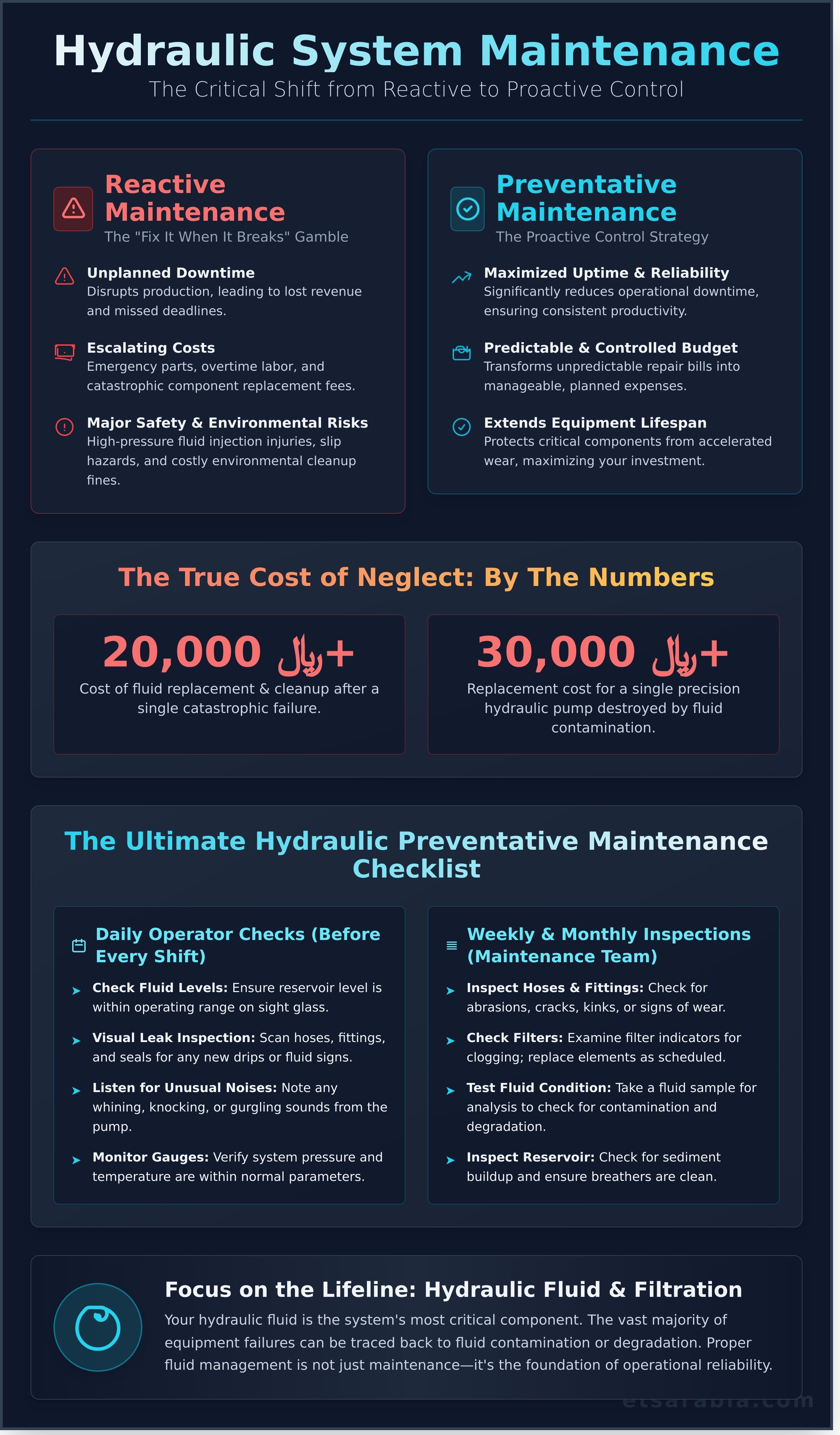
Unplanned downtime is the most significant hidden cost in industrial operations. Every minute a production line is stopped translates directly to lost revenue and missed deadlines, potentially damaging client relationships. The direct costs escalate quickly, including emergency shipping for parts which can add thousands of Riyals, and premium rates for overtime labor. Furthermore, the expense of replacing large volumes of hydraulic fluid and the associated cleanup after a catastrophic failure can easily exceed ﷼20,000 SAR, turning a single component failure into a major financial event.
Safety and Environmental Risks
Beyond the financial toll, hydraulic system failures pose serious safety and environmental hazards. A ruptured high-pressure line can cause severe fluid injection injuries, which are a medical emergency. Leaked hydraulic fluid also creates treacherous slip-and-fall risks for your team. In Saudi Arabia, environmental regulations are stringent; a significant fluid spill can lead to substantial cleanup costs and fines from regulatory bodies like the National Center for Environmental Compliance (NCEC), impacting both your budget and your corporate reputation.
Accelerated Wear on Critical Components
Neglecting routine checks allows small issues to spiral into catastrophic failures. For instance, fluid contamination-a common result of poor filtration-can systematically destroy a precision hydraulic pump, a component that can cost upwards of ﷼30,000 SAR to replace. Similarly, unchecked heat buildup degrades seals and hoses, causing them to become brittle and fail prematurely. The interconnected nature of Hydraulic machinery means that one worn-out component places immense stress on others, drastically reducing the overall operational lifespan of your investment.
Ultimately, reactive maintenance is a high-risk gamble that guarantees higher long-term costs and reduced productivity. Implementing a consistent schedule of preventative maintenance for hydraulic equipment is the only reliable strategy to ensure system integrity, optimize uptime, and protect your most valuable assets.
The Ultimate Hydraulic Preventative Maintenance Checklist
A structured checklist is the backbone of any effective program for preventative maintenance for hydraulic equipment. It transforms reactive repairs into a proactive strategy, guaranteeing that no critical task is overlooked. This systematic approach empowers your operators to perform simple yet vital daily checks, while scheduling more complex inspections for trained maintenance staff. For maximum efficiency, this checklist should be integrated directly into your existing maintenance management system. Remember, consistency is the key to unlocking the full potential of preventative maintenance, ensuring enhanced reliability and a significant reduction in costly, unplanned downtime.
Daily Operator Checks (Before Every Shift)
Empower your on-the-ground team to be the first line of defense. These quick, non-invasive checks can identify potential issues before they escalate into major failures. Before starting any shift, operators should:
- Check Fluid Levels: Ensure the hydraulic fluid level in the reservoir is within the specified operating range on the sight glass or dipstick.
- Visual Leak Inspection: Scan the equipment for any signs of new fluid leaks on hoses, fittings, cylinders, and seals. Even a minor drip can indicate a future failure point.
- Listen for Unusual Noises: Pay attention to the system's sound during startup and operation. Whining, knocking, or gurgling sounds can signal pump cavitation or aeration.
- Monitor Gauges: Verify that system pressure and temperature gauges are reading within the normal, safe operating parameters established by the OEM.
Weekly and Monthly Inspections
These tasks require a more detailed look at the system's condition and should be performed by a designated maintenance team member. They focus on components prone to wear and contamination.
- Inspect Hoses: Carefully check all hydraulic hoses for signs of abrasion, cracking, blistering, or kinking that could lead to a burst.
- Clean Reservoir and Cooler: Wipe down the exterior of the hydraulic reservoir and heat exchanger. A clean surface dissipates heat more effectively, preventing fluid overheating.
- Check Filter Indicators: Most systems have a visual or electrical filter condition indicator. If it signals a clogged filter, replace the element immediately to ensure fluid cleanliness.
- Verify Safety Guards: Ensure all safety shields, guards, and covers on rotating shafts and other moving parts are secure and in good condition.
Quarterly and Annual Maintenance Tasks
These in-depth procedures are critical for long-term asset health and should be carried out by qualified technicians. For complex diagnostics and tasks, it is essential to rely on personnel with certified expertise, like those recognized by the International Fluid Power Society, to guarantee precision.
- Take a Fluid Sample: Collect a hydraulic fluid sample for professional lab analysis. This provides invaluable insight into fluid condition, contamination levels, and additive depletion.
- Clean Inside of the Reservoir: If recommended by the equipment manufacturer, schedule a time to drain the fluid and professionally clean the inside of the reservoir to remove sludge and contaminants.
- Test Accumulator Pre-Charge: With the system locked out and depressurized, test the nitrogen pre-charge pressure in all accumulators to ensure they are functioning correctly.
- Torque Critical Fasteners: Using a calibrated torque wrench, check and tighten critical bolts and fittings, such as pump mounting bolts and valve block fasteners, to OEM specifications.
Focus on the Lifeline: Hydraulic Fluid and Filtration
In any hydraulic system, the fluid is more than just a lubricant; it is the lifeblood that transmits power, dissipates heat, and protects internal components. Industry data consistently shows that over 75% of all hydraulic system failures are a direct result of fluid contamination. Therefore, a core pillar of any effective program for preventative maintenance for hydraulic equipment is a rigorous focus on fluid health and purity.
Controlling contamination is the single most important action you can take to enhance equipment reliability and extend its operational lifespan, directly reducing costly, unscheduled downtime.
Understanding Fluid Contamination
Contaminants enter your system from three primary sources: built-in during manufacturing, generated internally through component wear, and ingested from the surrounding environment. Each type poses a unique threat:
- Solid Particles: Microscopic metal, silica (dust), and rubber particles act like sandpaper, causing abrasive wear on the precision surfaces of pumps, valves, and cylinders. This wear reduces efficiency and leads to premature component failure.
- Water: Water contamination promotes rust and corrosion, degrades fluid additives, and reduces the fluid’s lubricating properties, accelerating metal fatigue.
- Air: Entrained air in hydraulic fluid leads to a phenomenon called cavitation, which causes severe pitting damage to components. It also results in spongy actuator response and fluid oxidation.
The Power of Regular Fluid Analysis
Think of routine fluid analysis as a blood test for your machinery. By taking a small sample of oil and sending it to a lab, you gain a detailed diagnostic report on the internal condition of your hydraulic system. This powerful tool allows you to detect rising levels of wear metals and contaminants long before they cause a catastrophic failure. The data from these reports enables you to move from reactive repairs to a proactive strategy, optimizing fluid and filter change intervals based on actual equipment condition rather than guesswork.
Selecting and Maintaining Your Filtration System
Your filtration system is your first and most critical line of defense. A comprehensive system includes pressure filters to protect sensitive components, return line filters to clean fluid before it re-enters the reservoir, and suction strainers to protect the pump. Adhering to a strict filter change schedule is essential; waiting for a filter to go into bypass mode means contaminated fluid is already circulating and causing damage. Furthermore, installing high-quality desiccant breathers on reservoirs is a simple, effective way to stop airborne particles and moisture from being ingested, which is especially critical in the demanding industrial environments of Saudi Arabia. Need help with fluid analysis or selecting the right filtration solutions? Ask our experts for advice.
Inspecting Key Hydraulic Components: A Practical Guide
Effective preventative maintenance for hydraulic equipment goes beyond scheduled fluid changes; it involves developing a keen eye and ear for the subtle signs of component distress. By focusing on the system's most critical, high-wear parts, your team can identify potential failures long before they lead to catastrophic downtime. This proactive approach is the difference between a minor, scheduled repair and an emergency overhaul that can cost your operation thousands of Riyals in lost productivity.
This practical guide outlines specific things to look, listen, and feel for to ensure your systems deliver reliable performance.
Pumps and Motors
As the heart of your system, pumps and motors provide clear auditory and visual cues when trouble is brewing. Addressing these early warnings is crucial for system longevity.
- Listen for abnormal sounds: A high-pitched whining or a sharp knocking noise often indicates aeration or cavitation-conditions that can rapidly destroy internal components.
- Inspect for leaks: Check the area around the pump or motor shaft seal. Any sign of hydraulic fluid, even a minor drip, points to a failing seal that requires prompt replacement to prevent fluid loss and contamination.
- Monitor operating temperature: Use a non-contact infrared thermometer to check for overheating. Excess heat is a primary sign of inefficiency and can degrade hydraulic fluid and seals, accelerating wear.
Cylinders, Rods, and Seals
Cylinders perform the physical work, and their condition directly impacts performance and safety. Regular visual inspections of these powerful components are essential.
- Examine the rod surface: Inspect the chrome cylinder rod for any scoring, pitting, or signs of bending. A damaged rod surface will quickly shred its seal, causing external leaks and introducing contaminants into the system.
- Look for rod seal leaks: A light film of oil (weeping) can be normal, but active drips signal a failed seal. Differentiating between the two is key to avoiding unnecessary downtime.
- Check mounts and connections: Ensure cylinder mounts are secure, free of cracks, and that pins and bushings are not excessively worn, which can cause misalignment and damaging side-loads.
Hoses, Tubing, and Fittings
The fluid pathways are the system's arteries. A failure here can be sudden and severe, making routine inspection a top priority for both safety and operational continuity.
- Inspect hose condition: Look for cracks, cuts, blisters, or signs of abrasion on the outer cover of hoses. Pay close attention to areas where hoses might rub against machinery or other components.
- Verify proper routing: Hoses should have smooth, gentle bends. Sharp kinks or twists restrict flow, increase system pressure, and can lead to premature failure at the fitting.
- Check all fittings: Methodically check every fitting and connection point for signs of weeping or active leaks, which often indicate improper torque or a failing O-ring.
Integrating these simple, sensory checks into your regular routine is a cornerstone of effective preventative maintenance for hydraulic equipment. This vigilance ensures reliability and enhances productivity. For expert diagnostics and comprehensive hydraulic services across Saudi Arabia, trust the professionals at Emdad Technical Services to optimize your uptime.
Partnering with Experts for Advanced Hydraulic Maintenance
While an in-house team is essential for daily checks and minor repairs, a truly effective program of preventative maintenance for hydraulic equipment often requires specialized expertise and advanced diagnostic tools. Partnering with a dedicated hydraulic service provider allows you to elevate your maintenance strategy from routine to predictive, ensuring maximum reliability and allowing your team to focus on core business operations. An expert partner can manage your entire program, providing the technical depth needed to prevent catastrophic failures and optimize equipment performance.
When to Call a Professional Hydraulic Technician
Certain complex or high-risk tasks demand the precision and certified skills of a specialist. Engaging an expert is not just a matter of convenience; it is a critical step for safety, compliance, and long-term asset health. Contact a professional for:
- System Pressure Testing & Relief Valve Setting: Ensuring your system operates within safe, specified parameters requires calibrated equipment and deep technical knowledge.
- Accumulator Services: Professional charging, repair, and certification are vital for the safety and efficiency of hydraulic accumulators.
- Internal Component Diagnostics: Identifying wear or damage inside pumps, motors, and valves before they fail requires specialized tools and analysis.
- Recurring Failures: If your team faces a persistent problem that defies internal troubleshooting, an expert can provide a fresh perspective and advanced diagnostics to find the root cause.
The ETS Advantage in Saudi Arabia
For businesses in Saudi Arabia, Emdad Technical Services (ETS) is the trusted partner for comprehensive hydraulic solutions. Our Dammam-based team provides rapid on-site support across the Kingdom, minimizing costly downtime. We possess deep, hands-on expertise in the demanding oil & gas and industrial sectors, understanding the unique challenges you face. With an extensive inventory of parts from leading global brands, we ensure fast and reliable repairs. We deliver comprehensive maintenance programs tailored to your specific operational needs, guaranteeing that your hydraulic systems perform at their peak.
Develop Your Custom Maintenance Plan
A one-size-fits-all approach to maintenance is inefficient. At ETS, we begin by conducting a thorough assessment of your equipment, operational demands, and production goals. Based on this analysis, we collaborate with you to develop a custom schedule for all necessary inspections, fluid analysis, and component servicing. You receive detailed reports after each service, along with clear, actionable recommendations to improve system reliability and efficiency. Take the guesswork out of maintenance and ensure your equipment is always ready to perform. Schedule a consultation to build your PM program.
Maximize Uptime with a Proactive Hydraulic Maintenance Strategy
The shift from reactive repairs to a proactive strategy is the single most effective way to enhance the reliability and lifespan of your critical systems. As we've detailed, neglecting machinery leads to unplanned downtime and significant costs, while a structured approach focusing on hydraulic fluid integrity and regular component inspections forms the foundation of operational excellence. Implementing a robust plan for preventative maintenance for hydraulic equipment is not just a best practice-it's a strategic investment in your productivity.
You don't have to navigate this path alone. Emdad Technical Services (ETS) is your dedicated partner in Saudi Arabia. As an authorized distributor for industry leaders like Danfoss and Parker, we combine world-class products with expert on-site technical support. Our team has a proven track record of reducing downtime for major industrial players across the Kingdom, delivering solutions that guarantee reliable performance.
Ready to optimize your operations? Request a consultation to build your custom hydraulic maintenance program. Take the definitive step towards securing your assets and keeping your business moving forward.
Frequently Asked Questions
How often should I change the hydraulic fluid in my equipment?
The ideal frequency for changing hydraulic fluid depends on several factors, not just a fixed schedule. While the Original Equipment Manufacturer's (OEM) manual provides a baseline, operating conditions in Saudi Arabia-such as high heat and dust-can accelerate fluid degradation. The most reliable method is regular fluid analysis. This scientific approach determines the exact condition of the oil, ensuring you change it only when necessary, which optimizes performance and reduces operational costs.
What are the most common early warning signs of hydraulic pump failure?
Early detection is crucial to preventing major downtime. Key warning signs include increased operational noise like whining or knocking, higher-than-normal system temperatures, and noticeably slower cycle times or sluggish performance. You may also observe visible fluid leaks around the pump shaft or fittings. Addressing these symptoms promptly with a professional inspection can prevent a catastrophic failure, saving you from significant repair costs and lost productivity. Expertise you can trust is essential here.
Can I use a different brand or type of hydraulic oil than the OEM recommends?
We strongly advise against using a different hydraulic oil without consulting an expert. The OEM’s recommendation is based on specific system requirements, and using an incompatible fluid can lead to seal damage, foaming, and inadequate lubrication. This can void your warranty and cause premature component failure. For reliable performance, always adhere to the specified oil type or use a professionally verified equivalent that matches all critical properties to ensure system integrity and longevity.
What is the difference between preventative and predictive maintenance for hydraulics?
Preventative maintenance is performed on a time-based schedule, such as changing filters every 500 operating hours, regardless of their actual condition. Predictive maintenance, however, is condition-based. It uses advanced diagnostics like fluid analysis, vibration monitoring, and thermal imaging to predict when a failure is likely to occur. A comprehensive program for preventative maintenance for hydraulic equipment often integrates predictive techniques to maximize uptime and allocate resources more efficiently.
How much does a professional hydraulic preventative maintenance program cost?
The cost of a professional maintenance program in Saudi Arabia varies based on equipment complexity, the number of systems, and service frequency. A basic annual contract for a small system might range from ﷼3,000 to ﷼5,000 SAR. For larger, more complex industrial machinery, costs are higher but are a strategic investment. This proactive spending is minimal compared to the significant financial losses incurred from unexpected equipment failure and operational downtime.
Is it safe to tighten a hydraulic fitting while the system is under pressure?
Absolutely not. Attempting to tighten any hydraulic fitting while the system is pressurized is extremely dangerous and must be avoided. This action can lead to a catastrophic failure of the component or a high-velocity fluid injection injury, which is a severe medical emergency. Always ensure the system is completely depressurized and locked out according to proper safety protocols before performing any adjustments. Safety and reliable performance are paramount in all hydraulic work.