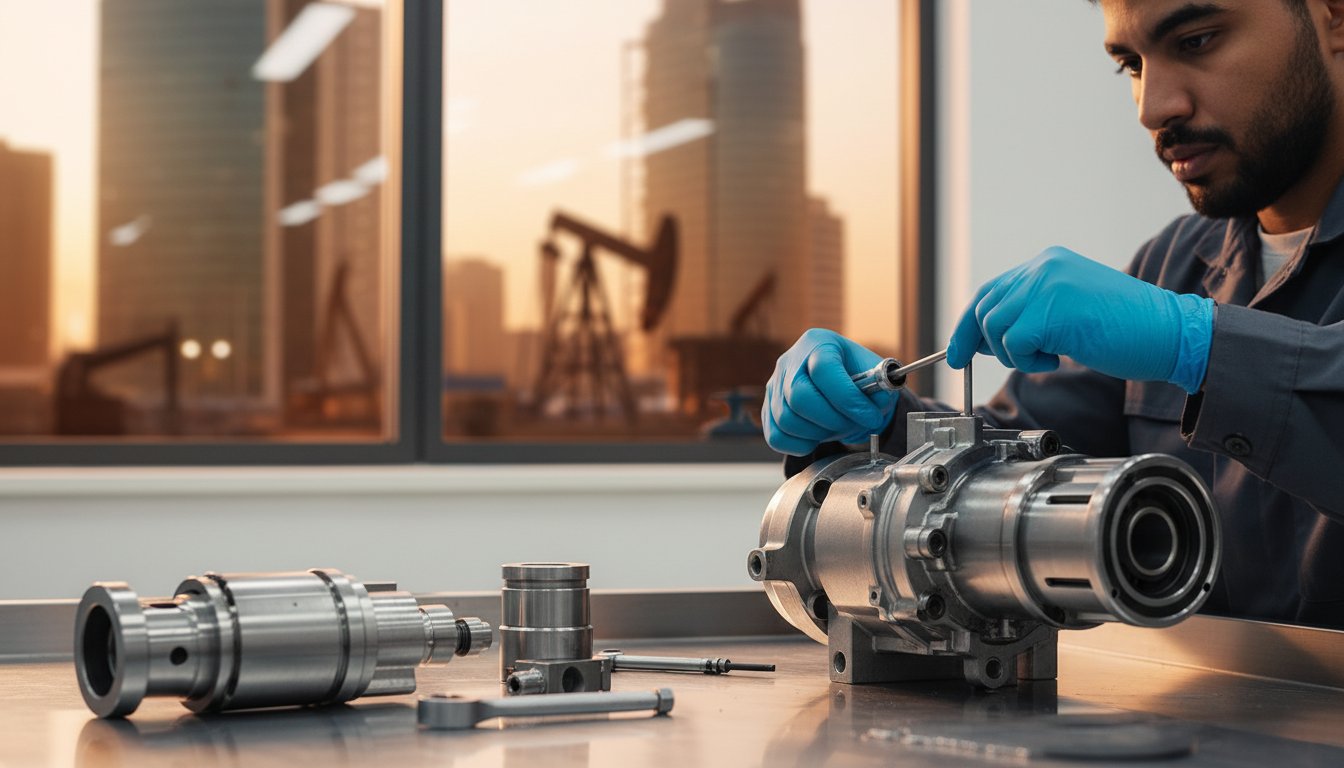
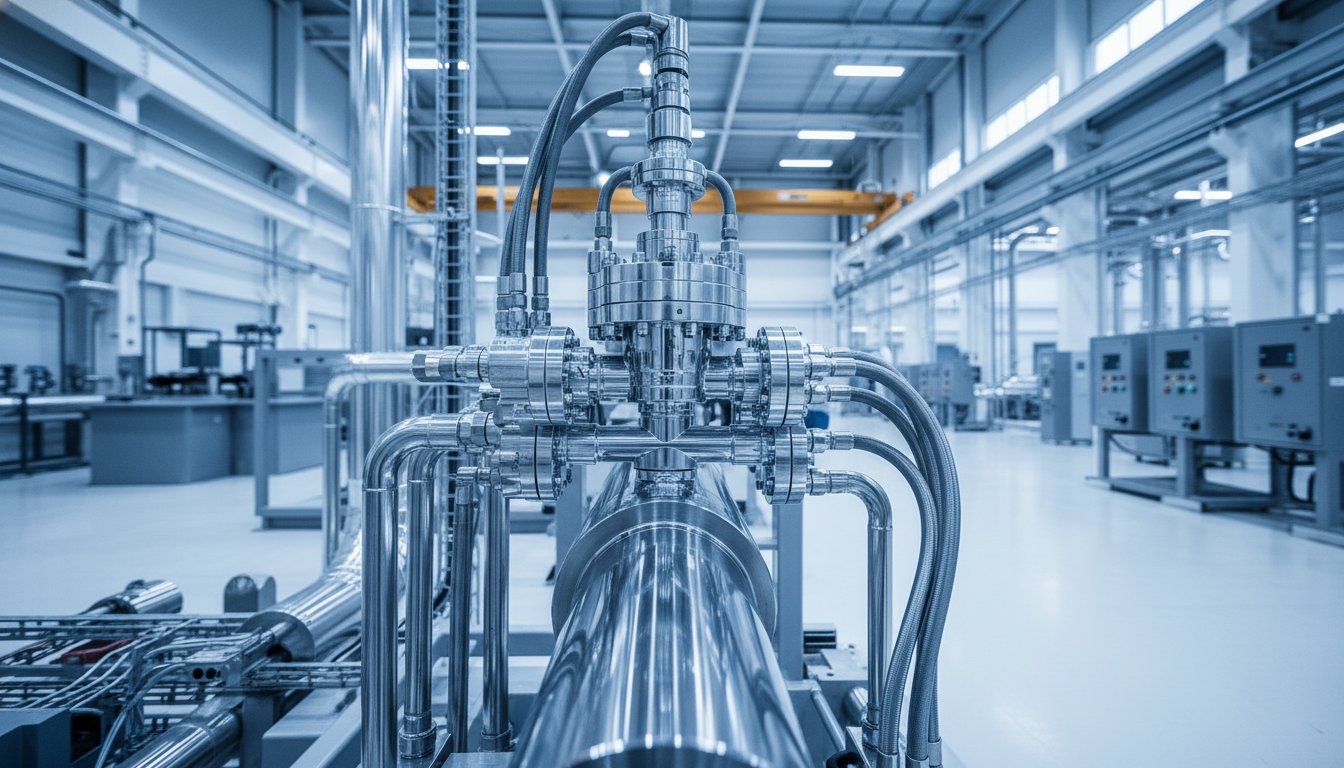
In any high-stakes industrial operation, from Riyadh's manufacturing plants to Dammam's petrochemical facilities, unexpected equipment failure is not an option. A sudden loss of pressure or a component malfunction can lead to costly downtime, disrupting production schedules and impacting your bottom line. Gaining a clear, foundational understanding of the industrial hydraulic systems that power your machinery is the most effective strategy to ensure reliability and control, moving from reactive repairs to proactive performance management.
This comprehensive guide is engineered to demystify these powerful systems. We will break down the essential components-from pumps and motors to valves and actuators-and explore their diverse applications across Saudi Arabia's key industries. You will gain practical knowledge on fundamental maintenance practices designed to prevent failures, enhance operational efficiency, and extend the lifespan of your critical equipment. Let's enhance the reliability of your operations, together.
What is an Industrial Hydraulic System and How Does It Work?
At its core, an industrial hydraulic system is a highly efficient method of power transmission that uses pressurized, incompressible fluid-typically oil-to generate and control immense force. This technology forms the basis of most heavy Hydraulic machinery and is the backbone of critical sectors in Saudi Arabia, from manufacturing to oil and gas. Unlike mechanical systems that rely on gears and levers or pneumatic systems using compressed air, hydraulic systems offer superior power density, enabling compact designs to produce significant force with exceptional precision. Understanding these systems is the first step to optimizing performance and minimizing operational downtime.
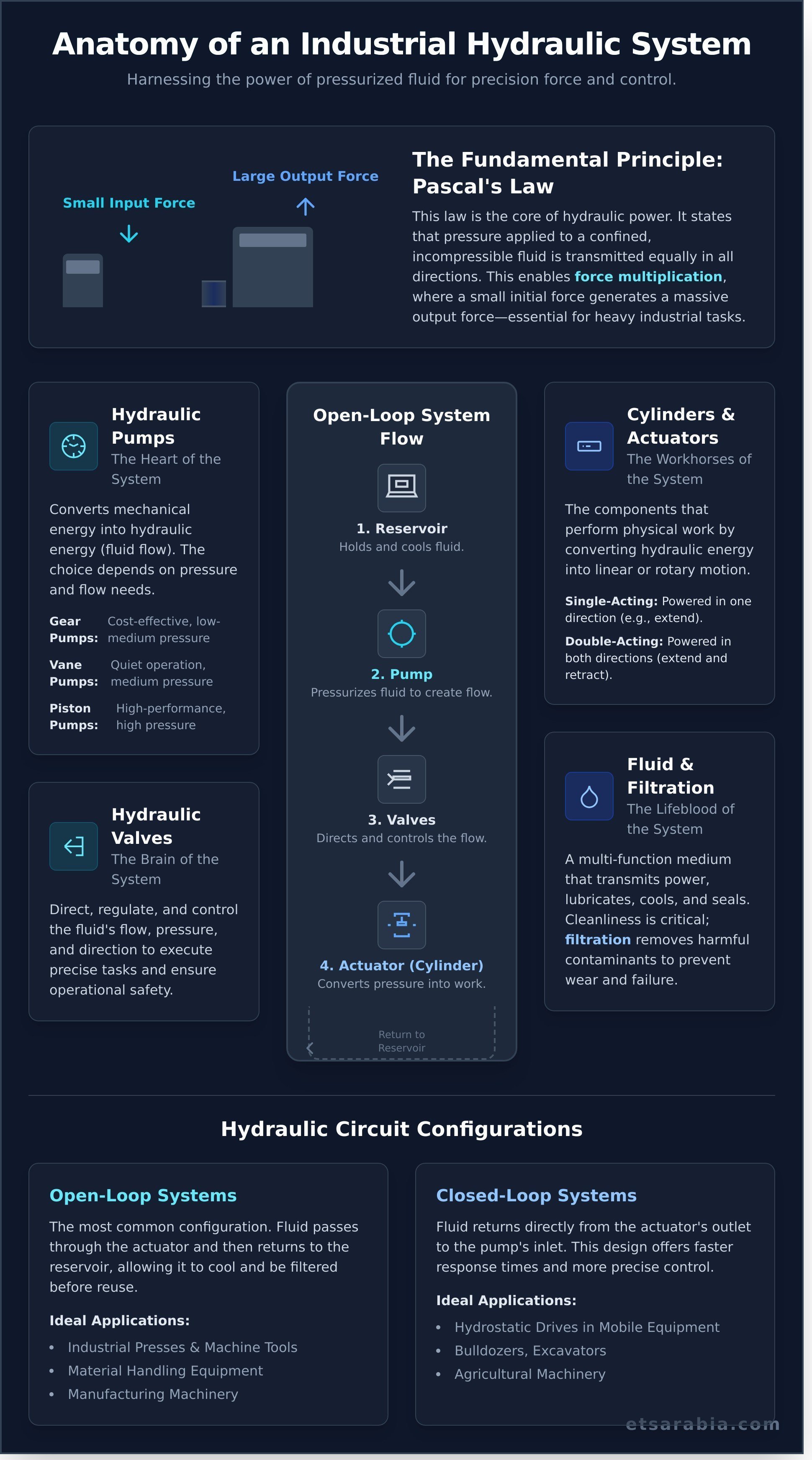
The operation follows a logical, continuous loop designed for reliable performance. Key components work in unison to convert electrical or mechanical energy into hydraulic power:
- Reservoir: A tank that holds the hydraulic fluid, allowing it to cool and settle.
- Pump: Draws fluid from the reservoir and pressurizes it, creating flow.
- Valves: Direct and regulate the fluid's flow, pressure, and direction.
- Actuator: A hydraulic cylinder or motor that converts fluid pressure back into mechanical motion or force to perform work.
The Fundamental Principle: Pascal's Law
The power of all industrial hydraulic systems is derived from a simple scientific principle: Pascal's Law. This law states that pressure applied to a confined fluid is transmitted equally in all directions. A common example is a vehicle's brake system, where a light push on the brake pedal generates enough force to stop a multi-ton vehicle. This principle enables force multiplication, allowing a small initial force to be converted into a much larger output force, which is essential for heavy lifting, pressing, and clamping operations.
Open-Loop vs. Closed-Loop Hydraulic Circuits
Hydraulic circuits are typically configured in one of two ways, each suited for different applications:
- Open-Loop Systems: In this common configuration, the hydraulic fluid returns to the reservoir after passing through the actuator. This allows the fluid to cool and be filtered before it is used again. These systems are ideal for applications like industrial presses, machine tools, and material handling equipment.
- Closed-Loop Systems: Here, the fluid returns directly from the actuator's outlet to the pump's inlet. This design offers faster response times and precise control, making it perfect for hydrostatic drives in mobile equipment like bulldozers, excavators, and agricultural machinery.
The Core Components of Every Industrial Hydraulic System
To appreciate the power of a custom Hydraulic Power Unit (HPU), it is essential to understand the fundamental building blocks of all industrial hydraulic systems. The performance and reliability of any system are directly dictated by the quality and compatibility of its individual parts. Each component must work in perfect harmony to deliver consistent power and prevent costly operational downtime. From the pump generating flow to the actuator performing work, a failure in one area compromises the entire operation. This synergy is detailed in resources covering Hydraulic System Definition, Design, and Components. Furthermore, the integrity of the system relies on high-quality seals and fittings to prevent leaks and maintain pressure, ensuring every ounce of power is effectively utilized.
The Power Source: Hydraulic Pumps and Motors
At the heart of every hydraulic system is the pump, a device engineered to convert mechanical energy (from an engine or electric motor) into hydraulic energy in the form of fluid flow. The choice of pump is critical for system efficiency and depends on the application's pressure and flow requirements. Common types include:
- Gear Pumps: Valued for their simplicity and cost-effectiveness in low to medium-pressure applications.
- Vane Pumps: Known for quiet operation and are suitable for medium-pressure industrial settings.
- Piston Pumps: The preferred choice for high-pressure, high-performance systems requiring precise control.
Conversely, a hydraulic motor performs the opposite function, converting hydraulic pressure and flow back into rotational mechanical motion to drive machinery.
Control and Direction: Hydraulic Valves
If the pump is the heart, then valves are the brain of a hydraulic system. They expertly manage the fluid, controlling its direction, pressure, and flow rate to execute precise tasks. Directional control valves, often operated by solenoids, guide the fluid to different parts of the circuit. Pressure control valves, such as relief and reducing valves, ensure the system operates within safe pressure limits, while flow control valves regulate the speed of actuators, guaranteeing operational precision and safety.
The Workhorses: Cylinders and Actuators
Hydraulic actuators are the components that perform the actual physical work. The most common type is the hydraulic cylinder, a linear actuator that converts hydraulic energy into powerful pushing or pulling force. They are broadly classified as single-acting (power in one direction) or double-acting (powered extension and retraction), used in everything from heavy-duty presses to mobile construction equipment. Other types, like rotary actuators (hydraulic motors), provide rotational torque. Find precision-engineered hydraulic components for your system.
The Lifeblood: Hydraulic Fluid and Filtration
Hydraulic fluid is far more than just a liquid; it is a multi-functional medium responsible for transmitting power, lubricating moving parts, transferring heat, and sealing clearances. Selecting the correct fluid type and viscosity is crucial for system longevity and efficiency. However, even the best fluid is rendered ineffective by contamination. Filtration is a non-negotiable element, with filters strategically placed to remove harmful particles that cause abrasive wear, component failure, and unplanned downtime in demanding industrial hydraulic systems.
Key Applications in Saudi Arabia's Core Industries
In the demanding industrial landscape of Saudi Arabia, from the vast oil fields of the Eastern Province to the giga-projects rising from the desert, raw power and unwavering reliability are non-negotiable. Custom hydraulic power units (HPUs) provide the essential muscle behind the Kingdom's most critical operations. The versatility of industrial hydraulic systems allows them to deliver immense force with precision control, ensuring peak performance even in the harshest environmental conditions and most challenging applications.
Oil & Gas Operations
The oil and gas sector is the bedrock of the Saudi economy, and hydraulic systems are vital to its productivity and safety. On drilling rigs, they power top drives and pipe handlers, providing the massive torque needed to drill thousands of meters into the earth. For wellhead control and valve actuation, hydraulic systems offer fail-safe reliability, a critical factor in maintaining operational integrity. Offshore, these systems are indispensable for operating heavy-lift cranes, mooring winches, and tensioning systems that must withstand corrosive marine environments and extreme loads.
Construction and Heavy Equipment
Saudi Arabia's ambitious construction and infrastructure development relies on the brute strength of hydraulic machinery. These systems are the core technology that enables heavy equipment to perform essential tasks with efficiency and power. Their applications are fundamental to daily operations on any major worksite:
- Earthmoving Equipment: Powering the arms, buckets, and blades of excavators, loaders, and bulldozers to dig foundations and move tons of material.
- Lifting Machinery: Providing the lifting force for mobile and tower cranes, essential for erecting the nation's iconic skyscrapers and industrial facilities.
- Specialized Machines: Driving concrete pumps, piling rigs, and road pavers that are crucial for building modern infrastructure.
Manufacturing and Metal Fabrication
As the Kingdom diversifies its economy, the manufacturing sector is rapidly expanding, driven by the precision and force of hydraulics. In metal fabrication, large hydraulic presses are used for stamping, forging, and forming metal components with immense pressure. Plastic and metal manufacturing facilities depend on hydraulic-powered injection molding and die-casting machines for high-volume production. Furthermore, essential machine tools like shears and press brakes utilize hydraulic force to cut and bend steel with exceptional accuracy, making robust industrial hydraulic systems a cornerstone of modern production.
Maintaining System Health: Common Failures and Preventive Measures
In high-stakes industrial environments across Saudi Arabia, unplanned downtime is not just an inconvenience-it's a significant financial liability. Proactive maintenance for your custom HPU is the most effective strategy to safeguard your investment, ensuring the long-term reliability and performance of your industrial hydraulic systems. Viewing maintenance as an investment in productivity and safety, rather than an expense, is crucial for optimizing operations and preventing catastrophic failures that can halt production and incur substantial costs in SAR.
The #1 Enemy: Fluid Contamination
The single greatest threat to hydraulic system longevity is fluid contamination. Particulates like dirt, metal shavings, water, and even air can degrade hydraulic fluid, accelerate component wear, and cause valve malfunctions. Protecting your system requires a disciplined approach to fluid management, including regular filter changes, periodic fluid analysis to detect issues before they escalate, and strict adherence to proper fluid handling and storage procedures to prevent contaminants from entering the system.
Preventing Leaks and Hose Failure
Hydraulic leaks are often symptoms of underlying issues such as worn seals, loose fittings, or hose degradation. Beyond the cost of lost fluid, high-pressure leaks pose severe safety risks to personnel and can create environmental hazards. A routine visual inspection is a simple yet powerful preventive measure. We recommend operators regularly check for:
- Cracked, bulging, or abraded hoses
- Corroded or damaged fittings
- Evidence of weeping or dripping around seals and connections
Managing Overheating and System Temperature
Excessive heat is a silent killer for industrial hydraulic systems. High operating temperatures break down the chemical properties of hydraulic fluid, reducing its lubricity and leading to varnish buildup. This heat also causes seals to harden and fail prematurely. Common causes include low fluid levels, clogged or inefficient heat exchangers (coolers), and operating the system beyond its designed capacity. Ensure heat exchangers are clean and that there is adequate ventilation around the power unit to maintain optimal temperatures.
Don't wait for a minor issue to become a major operational disruption. A professional assessment can identify potential failure points and optimize your maintenance schedule for maximum reliability. Schedule a professional hydraulic system inspection today.
Optimizing Performance: Standard vs. Custom-Built Hydraulic Systems
Selecting the right power source is a critical decision that directly impacts the productivity and reliability of your operations. At the core of all industrial hydraulic systems is the Hydraulic Power Unit (HPU)-the heart that drives every actuator, cylinder, and motor. While standard, off-the-shelf HPUs serve many purposes, they cannot meet every operational demand. Understanding the trade-offs between a pre-built unit and a custom-engineered solution is essential for maximizing performance and ensuring long-term value.
When an Off-the-Shelf System is Sufficient
For applications with standard power, flow, and pressure requirements, a pre-built HPU is often a practical choice. These units are ideal for common machinery or when a fast replacement is needed to minimize downtime. The primary benefits are clear: a lower upfront cost, often saving thousands of Saudi Riyals, and immediate availability. However, their one-size-fits-all design can lead to inefficiencies, integration challenges with specialized equipment, and a larger physical footprint than necessary.
The Case for a Custom-Built Hydraulic Power Unit (HPU)
When an operation involves unique environmental conditions, complex control sequences, or extreme performance demands, a custom-built HPU becomes a necessity, not a luxury. Industries like aerospace, specialized manufacturing, and marine engineering frequently rely on bespoke solutions to achieve their goals. The advantages of a custom design are significant:
- Optimized Efficiency: The HPU is engineered to your exact specifications, delivering the precise power required without wasting energy.
- Compact Footprint: Components are selected and arranged to fit perfectly within your available space, no matter how constrained.
- Perfect Integration: A custom unit is designed to communicate seamlessly with your existing machinery and control systems, ensuring smooth, reliable performance from day one.
Investing in a custom HPU ensures your hydraulic system is not just a component, but a perfectly tailored solution that enhances overall productivity and reliability. Learn more about our custom HPU design and fabrication services.
Ensuring Peak Performance for Your Hydraulic Systems
Mastering your industrial hydraulic systems is a journey from understanding their core components to implementing a robust, proactive maintenance strategy. As we've explored, the reliability of these powerful systems is fundamental to the productivity of Saudi Arabia's core industries, making preventative care and the choice between standard and custom solutions critical business decisions.
When performance and uptime cannot be compromised, you need a partner with proven expertise. ETS leverages deep knowledge of Saudi Arabia's industrial landscape, strategic partnerships with leading global hydraulic brands, and 24/7 support to minimize operational downtime. We provide the reliable solutions you need to enhance productivity. Contact ETS for expert solutions in hydraulic repair, parts, and custom systems.
Take control of your system's health and efficiency today to keep your operations moving forward with confidence.
Frequently Asked Questions
What is the main difference between hydraulics and pneumatics?
The primary difference lies in the medium used to transfer power. Hydraulic systems utilize incompressible liquids, like oil, to generate immense force and precise control, making them ideal for heavy-duty applications. In contrast, pneumatic systems use compressed gas, typically air, which is faster and cleaner for applications requiring speed over sheer force. Hydraulics offer superior power density, while pneumatics provide rapid, lower-force actuation for automation.
Why does hydraulic fluid get hot during operation?
Heat generation is a natural byproduct of energy conversion inefficiency within a hydraulic system. As fluid is forced through pipes, valves, and actuators, friction and pressure drops convert mechanical energy into thermal energy. Overheating can degrade the fluid, damage seals, and reduce operational efficiency. Proper system design, including adequate cooling solutions, is essential to manage temperatures and ensure reliable performance and component longevity.
How often should I change the hydraulic fluid and filters in my system?
The optimal interval depends on operating conditions, hours of use, and the manufacturer's guidelines. A general rule is to change filters every 500-1000 hours and fluid annually. However, for critical industrial hydraulic systems operating in demanding environments, regular fluid analysis is the most reliable method. This proactive approach detects contamination and degradation early, enabling condition-based maintenance that prevents unexpected failures and minimizes costly operational downtime.
What are the most common signs of hydraulic pump failure?
Early detection is crucial to preventing catastrophic failure and ensuring continuous operation. The most common indicators include increased operational noise, such as whining, knocking, or grinding sounds. Other key signs are a noticeable increase in fluid temperature, slower cylinder or motor speeds, and a reduction in overall system pressure. Visual inspections for external leaks around the pump shaft or housing are also critical signs that immediate expert attention is required.
Can I use a different type of hydraulic fluid than what is recommended?
We strongly advise against using a fluid type other than what the original equipment manufacturer (OEM) specifies. Different fluids have unique viscosity ratings, additive packages, and material compatibilities. Using an incorrect fluid can lead to seal degradation, inadequate lubrication, foaming, and ultimately, severe component damage. Adhering to OEM recommendations is essential to guarantee system reliability, safety, and longevity, protecting your valuable assets from avoidable damage.
What safety precautions are necessary when working with high-pressure hydraulic systems?
Safety is paramount when servicing any high-pressure equipment. Always de-pressurize the system completely before performing maintenance. All personnel must wear appropriate Personal Protective Equipment (PPE), including safety glasses and fluid-resistant gloves. Never use your hand to check for leaks; a pinhole leak can inject fluid under the skin, causing severe injury. Instead, use a piece of cardboard or wood. Ensure all technicians are properly trained on lockout/tagout procedures.