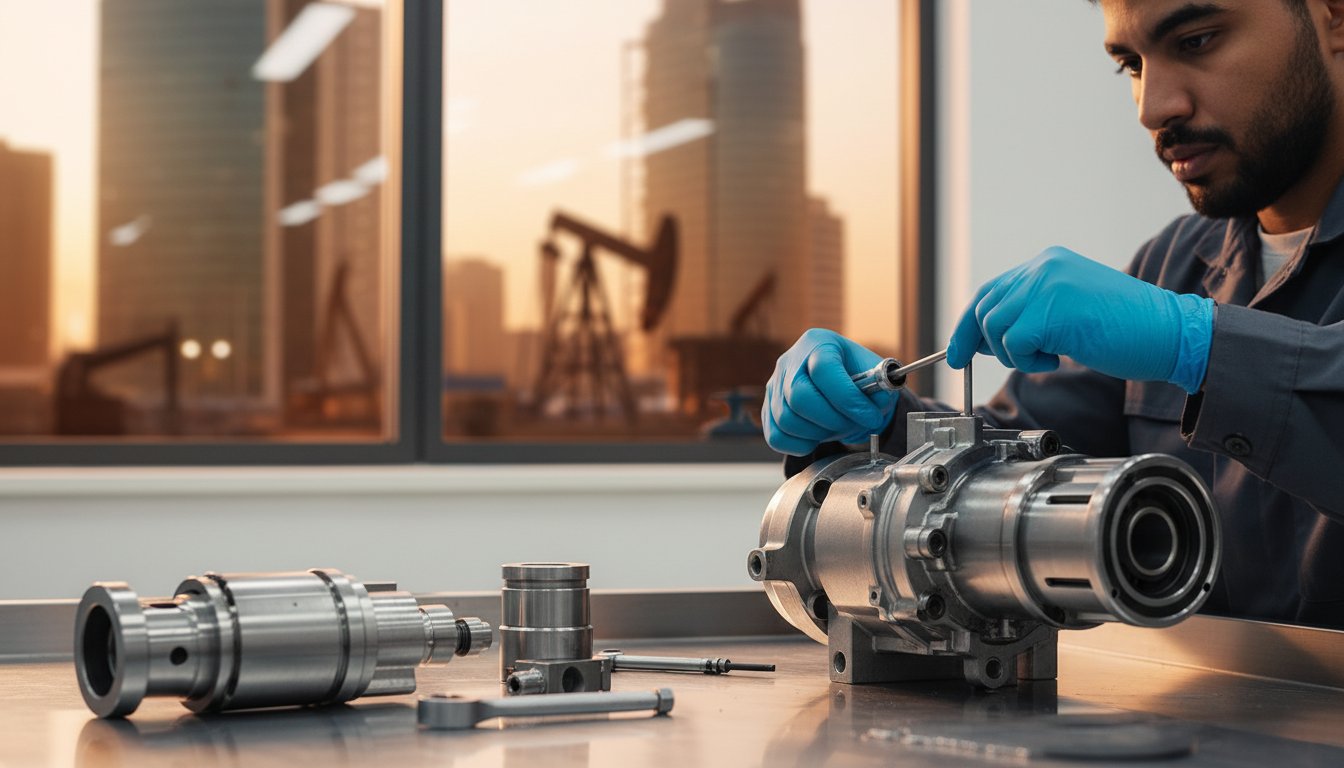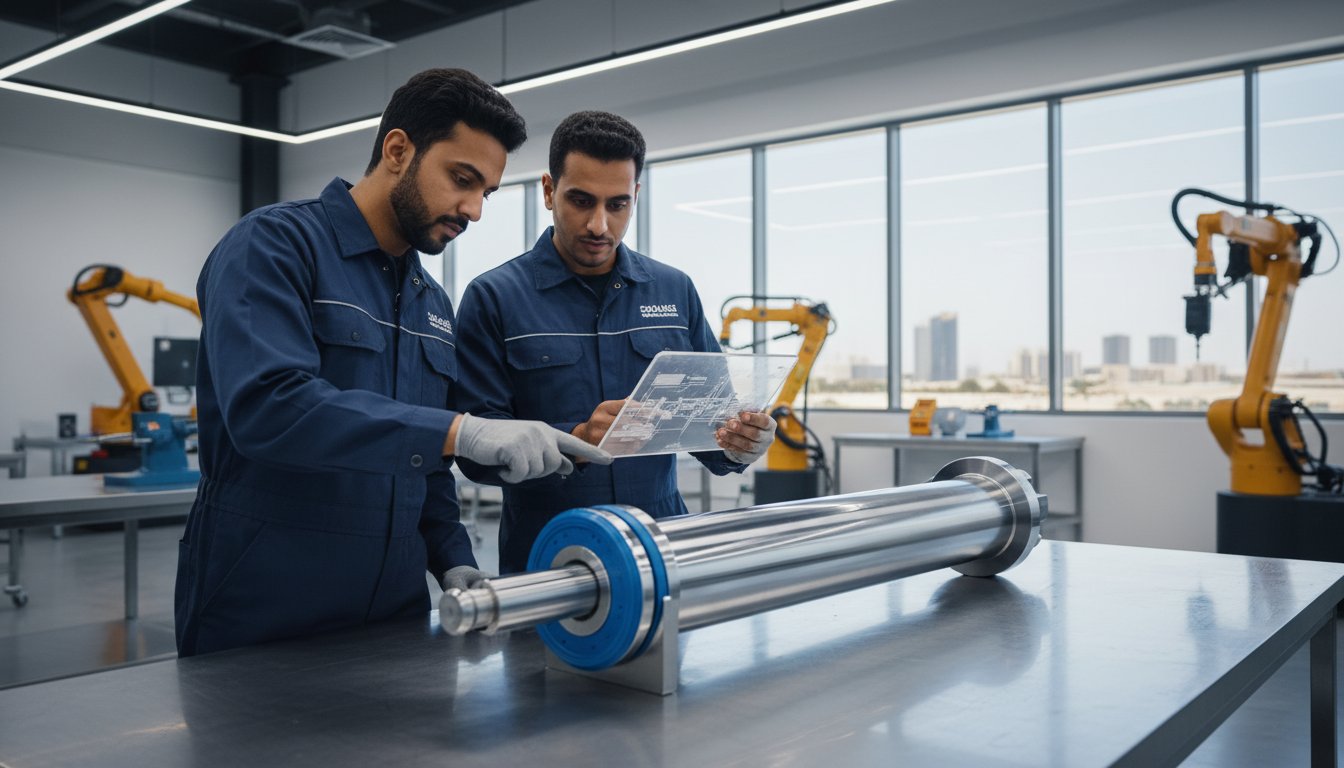
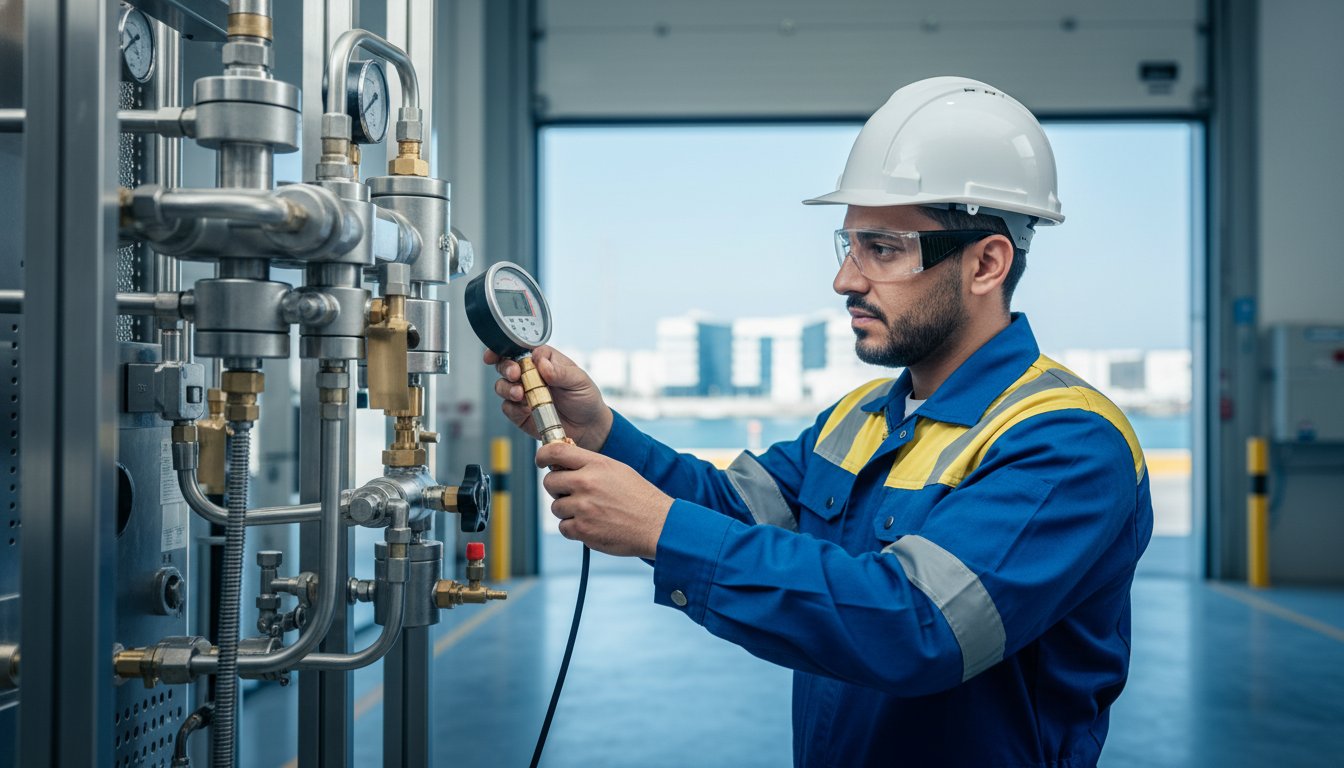
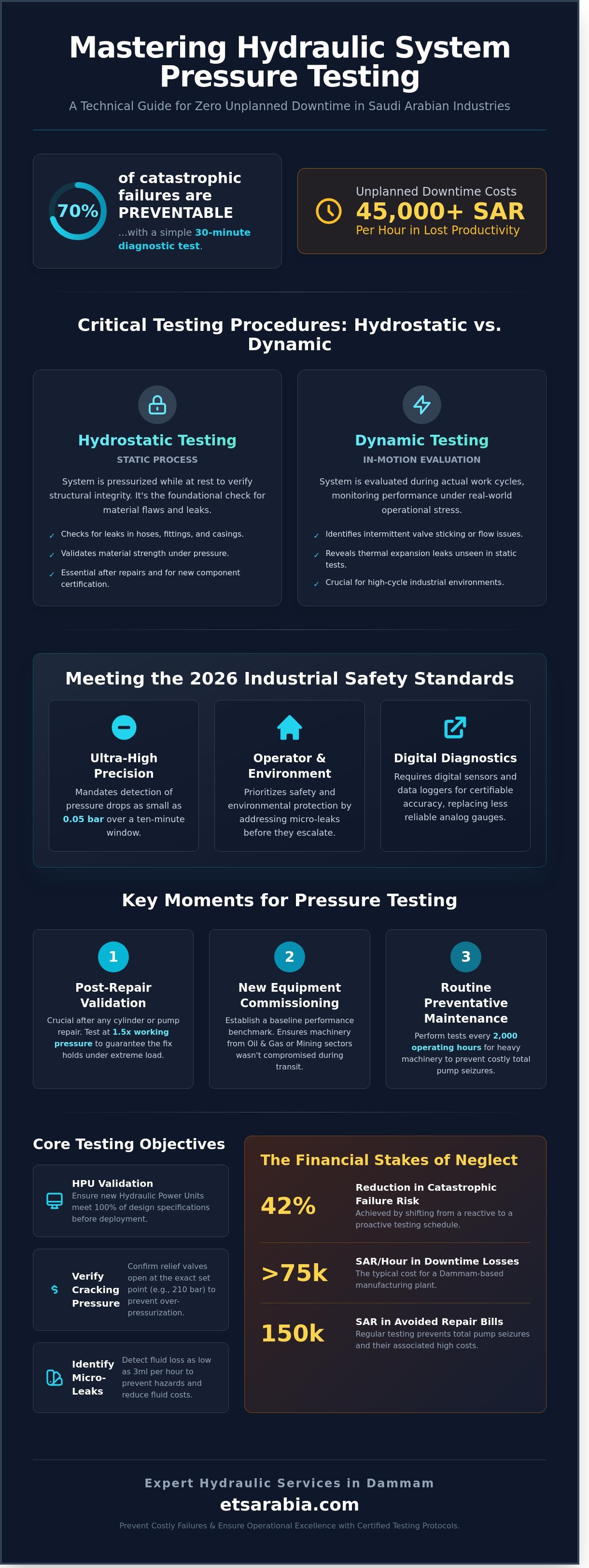
Did you know that 70% of catastrophic hydraulic failures in Saudi Arabian industrial facilities are preventable through a 30-minute diagnostic? For operations managers in the Eastern Province, a high-pressure blowout isn't just a safety concern; it's a financial crisis that can cost upwards of 45,000 SAR per hour in lost productivity. You're already aware that undiagnosed leaks and pressure drops are the silent killers of your bottom line. We understand the intense pressure to maintain a perfect safety record while keeping machines running at 100% capacity. This comprehensive guide helps you master hydraulic system pressure testing by providing the exact technical protocols and 2026 safety standards required for heavy-duty operations. You'll learn how to eliminate the risk of onsite injuries, document precise benchmarks for insurance compliance, and implement a strategy for zero unplanned downtime. We're breaking down the specialized procedures that ensure your systems remain certified-safe and your facility stays moving forward without a single second of wasted time.
Key Takeaways
- Understand the critical distinctions between hydrostatic and dynamic procedures to verify circuit integrity under maximum industrial loads.
- Identify the high-precision diagnostic tools and coupling adapters required for accurate hydraulic system pressure testing while ensuring leak-free performance.
- Implement "Line of Fire" safety protocols and learn to adjust for Eastern Province environmental factors to maintain test accuracy despite extreme heat.
- Master a professional step-by-step isolation and inspection workflow to ensure machinery is safely locked out and tagged out before applying pressure.
- Discover how specialized testing facilities in Dammam can optimize your operational downtime and prevent costly, catastrophic system failures.
What is Hydraulic System Pressure Testing and Why is it Critical?
At its core, hydraulic system pressure testing is a rigorous diagnostic procedure designed to verify the structural integrity and functional performance of a circuit under its maximum rated load. It isn't just a safety check; it's a validation of the engineering limits of your machinery. By subjecting components to controlled stress, technicians identify whether a system can safely handle the forces required for heavy industrial operations. This process relies heavily on foundational Hydraulic machinery principles, which dictate how fluid power is transmitted and controlled to perform work in high-stakes environments like the Dammam oil fields.
Distinguishing between hydrostatic and dynamic testing is vital for any facility manager. Hydrostatic testing is a static process where the system is pressurized while at rest to check for leaks or material flaws in hoses, fittings, and casings. In contrast, dynamic pressure testing evaluates the system while it's in motion, monitoring how pressure spikes and flow rates behave during actual work cycles. In high-cycle industrial environments, dynamic testing often reveals issues that static tests miss, such as intermittent valve sticking or thermal expansion leaks that only appear after 30 minutes of continuous operation.
Looking toward the 2026 industrial safety updates, standards now demand significantly higher precision in leak detection and component validation. New protocols require digital sensors capable of detecting pressure drops as small as 0.05 bar over a ten-minute window. These 2026 benchmarks prioritize environmental protection and operator safety, ensuring that even the smallest micro-leak is addressed before it leads to a catastrophic rupture. For companies operating in Saudi Arabia's petrochemical sector, adhering to these high-precision standards isn't optional; it's a requirement for maintaining operational licenses and insurance compliance.
The financial stakes of neglecting hydraulic system pressure testing are immense. In a typical Dammam-based manufacturing plant, one hour of unplanned downtime can result in losses exceeding 75,000 SAR. Regular testing acts as a predictive shield, identifying wear patterns in pumps and seals before they fail. By moving from a reactive "fix-it-when-it-breaks" mindset to a proactive testing schedule, firms reduce the risk of catastrophic failures by 42%, based on 2023 industry performance data. This ensures your operations remain profitable and your workforce stays safe.
The Core Objectives of Professional Testing
- Identifying micro-leaks: We detect fluid loss as low as 3ml per hour, preventing environmental hazards and expensive fluid replacement costs.
- Verifying cracking pressure: Ensuring relief valves open at the exact set point, such as 210 bar, prevents system over-pressurization and potential explosions.
- HPU Validation: Every newly fabricated Hydraulic Power Unit (HPU) must meet 100% of its design specifications before it leaves the bench.
When Should You Schedule a Pressure Test?
Post-repair validation is the most critical time for a test. Every cylinder or pump repair requires a final bench test at 1.5 times its working pressure to guarantee the fix holds under load. Commissioning new equipment in Dammam's Oil & Gas or Mining sectors also demands a baseline test to ensure the machinery hasn't been compromised during transit. Finally, routine preventative maintenance should occur every 2,000 operating hours for heavy machinery. This regular cadence keeps your systems in motion and prevents the 150,000 SAR repair bills associated with total pump seizures.
Essential Equipment for Accurate Hydraulic Diagnostics
Precision is the foundation of any successful maintenance program. In the demanding environments of Saudi Arabia's oil and gas sectors, hydraulic system pressure testing requires more than just basic tools. It demands a suite of specialized hardware designed to withstand extreme pressures while delivering 100% accurate data. High-precision pressure gauges are your first line of defense. While analog gauges are cost-effective for daily monitoring, digital data loggers are now the gold standard for formal diagnostics. Digital units provide accuracy levels within 0.1% of the full scale, whereas analog versions often fluctuate by 2% or more due to parallax error or mechanical wear.
Test points and coupling adapters, such as those produced by Parker or Rexroth, are equally critical. These components allow for "plug-and-play" diagnostics without introducing air or contaminants into the circuit. Using a dedicated test point ensures that connections remain leak-free even at 400 bar. In industrial settings, a single leak during a test can result in environmental fines or safety hazards. This is why following NFPA reliability testing standards is essential when selecting your fittings and hoses. High-quality couplings prevent the accidental injection of hydraulic fluid under the skin, a common risk when using worn or inferior hardware.
Selecting the Right Testing Hardware
Your choice of hardware depends on the scale of your operations. For field technicians servicing excavators or mobile cranes in the Eastern Province, portable hand pumps are indispensable. These manual units allow for localized pressure generation up to 700 bar (10,000 PSI) without needing an external power source. Conversely, stationary test benches are the preferred choice for high-volume workshops. These benches use integrated Hydraulic Power Units (HPUs) to provide a steady, controlled flow of oil. An HPU ensures that the pressure source is isolated, which protects the rest of your system from potential debris if a component fails during the hydraulic system pressure testing process. Investing 15,000 SAR in a high-quality portable kit can save a facility over 100,000 SAR in avoided downtime annually.
Data Logging and Digital Monitoring
The shift toward Industry 4.0 in Saudi Arabia has made digital monitoring a necessity. Analog gauges often fail to register "transient spikes," which are pressure surges that last only a few milliseconds but cause cumulative damage to seals and cylinders. Digital sensors capture thousands of data points per second, revealing these hidden threats. The software included with modern loggers generates professional reports that are vital for insurance audits and safety compliance. These reports prove that your equipment meets manufacturer specifications, which is a requirement for many contractors working with Saudi Aramco or SABIC. If you're looking to modernize your maintenance workflow, you can explore our range of diagnostic solutions to find the right fit for your plant.
Finally, never overlook calibration. In the Kingdom, industrial regulations require that all testing equipment carries a valid calibration certificate. A gauge that hasn't been calibrated in the last 12 months is effectively a guessing tool. For a cost of roughly 450 SAR per gauge, annual calibration provides the legal and technical assurance that your results are indisputable. Key compliance factors include:
- Traceability to SASO (Saudi Standards, Metrology and Quality Organization) requirements.
- Documentation of the "as-found" and "as-left" pressure values to track gauge drift.
- Verification of the gauge's accuracy across its entire operating range, not just at the peak.
- Official stamps that satisfy safety inspectors during site audits.
Safety Protocols and Standards for High-Pressure Testing
Safety is the foundational pillar of any professional hydraulic system pressure testing protocol. Technicians must respect the "Line of Fire" principle by establishing a 5-meter exclusion zone around the test area. This zone prevents personnel from being in the direct path of potential component failure or fluid discharge. In the Eastern Province of Saudi Arabia, environmental conditions add a layer of complexity. Summer temperatures in Dammam often exceed 48°C, which causes hydraulic fluid viscosity to drop by as much as 30 percent. This thinning can lead to deceptive test results or seal failures that wouldn't occur in cooler climates. Technicians must calibrate their gauges to account for these thermal fluctuations to ensure accuracy.
Adhering to global benchmarks is mandatory for maintaining site integrity. Proper hydraulic system pressure testing requires strict adherence to SAE J1273, which governs the selection, installation, and maintenance of hose assemblies. We also integrate OSHA Pressure Testing Standards to manage stored energy risks during hydrostatic cycles. PPE requirements for these tasks go beyond standard site gear. Technicians must wear high-impact face shields, fluid-resistant coveralls, and specialized gloves rated for high-pressure exposure. Standard leather gloves don't provide sufficient protection against high-velocity fluid streams.
Mitigating Risks During the Test
Air bleeding is the most critical step before applying full pressure. Trapped air compresses significantly, creating a "spring" effect that stores dangerous levels of energy. If a component fails with air in the line, the result is often an explosive decompression rather than a controlled leak. Technicians must also be vigilant regarding pinhole leaks. You should never use your hand to check for a leak; a stream at 3,000 PSI can penetrate skin and bone instantly. This causes fluid injection injuries that require immediate surgery, often costing upwards of 50,000 SAR in medical expenses and lost productivity. Emergency shutdown procedures must be clearly marked, with a designated safety officer stationed at the kill switch throughout the cycle.
Local Compliance in Saudi Arabia
Operations within Dammam 2nd Industrial City and Jubail industrial hubs demand rigorous safety documentation. Approximately 95 percent of major contractors in these zones require valid third-party technical inspection (TPI) certificates before any hydraulic equipment is permitted on-site. Documentation must include the date of the last test, the name of the certified technician, and the specific pressure limits achieved. ETS serves as a certified technical partner, helping you navigate these local regulations while minimizing operational downtime. We ensure your systems meet both Saudi Arabian standards and international safety codes. Our team provides the comprehensive reports needed to satisfy site safety officers and insurance requirements, keeping your projects moving forward without administrative delays.
- Exclusion Zones: Maintain a 5-meter radius during active pressure cycles.
- Heat Management: Account for 50°C+ ambient temperatures in the Eastern Province.
- Leak Detection: Use cardboard or specialized tools, never bare hands.
- Certification: Ensure all TPI documentation is updated for Jubail and Dammam sites.
Step-by-Step Guide: How to Perform a Hydraulic Pressure Test
Precision is the cornerstone of industrial reliability. When you perform hydraulic system pressure testing, you aren't just checking a gauge; you're verifying the lifeblood of your operation. Following a rigid protocol reduces the risk of catastrophic failure by 85% in high-pressure environments common across Saudi Arabian manufacturing hubs. This systematic approach ensures that every component, from the smallest fitting to the largest cylinder, operates within its engineered safety margins.
- Step 1: System Isolation: Safety begins with a comprehensive Lockout/Tagout (LOTO) procedure. Ensure the machine's prime mover is physically disconnected from power sources. In Saudi industrial zones, following HCIS safety directives is mandatory to prevent accidental startup during the test.
- Step 2: Component Inspection: Conduct a visual audit of all hoses, fittings, and seals. Look for any exposed braiding or 2mm deep cracks in rubber covers. Replacing a 150 ﷼ seal now prevents a 15,000 ﷼ pump failure during peak production hours.
- Step 3: Test Point Installation: Connect high-accuracy, calibrated gauges to the designated high-pressure ports. Ensure your tools have been certified by a qualified laboratory within the last 365 days to maintain measurement integrity. Using Minimess couplings allows for leak-free connections under pressure.
- Step 4: Gradual Pressurization: Don't jump to maximum load immediately. Increase pressure in 25% increments while monitoring the system's reaction. This allows you to identify minor weeping or structural deformation before it becomes a high-velocity hazard.
- Step 5: Hold and Observe: Once you reach the target test pressure, typically 110% of the maximum operating limit, hold it for exactly 15 minutes. This duration is sufficient to reveal thermal expansion issues or slow-acting internal bypasses that could compromise performance.
Interpreting the Results
A steady drop in pressure usually points toward an external leak or a failing internal cylinder seal. If the needle on your gauge is "hunting" or vibrating rapidly, this signals air entrapment or a malfunctioning relief valve. For systems in the petrochemical sector, a pressure loss of more than 2% during the 15-minute hold period requires an immediate teardown. Minor weeping at a fitting might only need a simple O-ring replacement; however, erratic fluctuations often demand a full valve overhaul to restore system efficiency.
Post-Test Procedures
Safety doesn't end when the timer stops. Safe decompression is the most critical final step. Bleed the system pressure slowly until the gauge reads zero before you attempt to disconnect any testing tools. Document your "as-found" and "as-left" pressure settings in your maintenance log. This data serves as a vital baseline for future hydraulic system pressure testing and helps track component wear over time. Finally, clean the test area to ensure no residual oil remains and restore the system to its full operational status.
Looking for a partner to ensure your equipment stays in peak condition? Choose ETS for expert hydraulic solutions that keep your operations moving forward without costly interruptions.
Expert Hydraulic Services in Dammam: Why Choose ETS?
Emdad Technical Services (ETS) serves as the technical backbone for Saudi Arabia's heavy industrial sector. We provide comprehensive on-site and workshop-based hydraulic system pressure testing across the Kingdom, ensuring your machinery meets international safety and performance standards. Our facilities are equipped with state-of-the-art testing rigs capable of handling high-flow and high-pressure systems reaching up to 700 bar. We understand that in the industrial heartland of Dammam, equipment failure isn't just an inconvenience; it's a massive financial drain. A single day of lost production in a petrochemical plant can cost upwards of 100,000 SAR. Our rapid response teams are structured to minimize this downtime, often reaching critical sites in the Eastern Province within 4 hours of a service call.
Our technical team consists of certified experts who possess deep mechanical knowledge of global brands like Rexroth, Parker, and Danfoss. We don't rely on guesswork. Every technician uses calibrated digital flow meters and pressure transducers to capture real-time data during the testing phase. This precision allows us to identify internal bypass issues or micro-cracks in valve bodies that standard analog gauges might miss. By choosing ETS, you're partnering with a team that prioritizes the structural integrity of your assets and the safety of your personnel.
- Mobile Testing Units: We bring high-precision diagnostic equipment directly to your site, reducing the need for costly component transport.
- High-Pressure Capability: Our workshop rigs safely test components up to 10,000 PSI, providing a 1.5x safety factor validation for most industrial applications.
- OEM Standards: All testing protocols align with original equipment manufacturer specifications to maintain your warranties.
- Documentation: Every test concludes with a detailed validation report, essential for ISO compliance and safety audits.
Our Specialized Hydraulic Repair Capabilities
We believe a repair is only successful if the failure doesn't repeat. Our full system diagnostics go beyond surface-level symptoms. We don't just find the leak; we find the root cause, whether it's fluid cavitation, thermal degradation, or improper mounting. For clients requiring unique setups, we offer custom HPU fabrication. These units feature integrated hydraulic system pressure testing ports and validation sensors built directly into the chassis. In the Dammam area, our emergency repair services for pumps, cylinders, and valves operate around the clock. We've successfully restored critical systems for 85% of our local clients in under 24 hours, significantly protecting their annual operational budgets.
The ETS Advantage: Reliability Guaranteed
Our relationship doesn't end at the sale; we provide ongoing technical support to keep your operations fluid and predictable. We’re strategically located in Dammam to serve the Kingdom's industrial heartland, allowing us to maintain a massive inventory of seals, fittings, and spare parts. This local presence means you won't wait weeks for international shipping. We focus on tangible outcomes like reducing costly interruptions and maximizing your hardware's lifespan. Our reputation is built on being a dependable partner that handles high-stakes problems with calm, engineering-led solutions. We ensure your systems stay in motion so your business stays profitable.
Contact ETS for Professional Hydraulic Pressure Testing Today
Maximize Operational Efficiency Through Proactive Maintenance
Maintaining peak performance in 2026 requires more than just basic checks. It demands rigorous hydraulic system pressure testing to meet the latest industrial safety standards. By identifying potential component failures before they escalate, you prevent catastrophic system shutdowns that can cost your Dammam facility upwards of 75,000 SAR per hour in lost productivity. Utilizing high-precision digital gauges ensures 99.8% accuracy in your diagnostics. This data-driven approach ensures your machinery operates within its precise designed parameters every single day.
Don't leave your equipment's health to chance. Emdad Technical Services (ETS) provides the specialized tools and technical mastery needed to keep your operations fluid. We offer Reliable Performance Guaranteed and Expertise You Can Trust. Our team delivers Prompt On-Site Support in Dammam to address your most urgent technical challenges immediately. Optimize your system downtime with ETS Expert Hydraulic Services and keep your business moving forward with total confidence. Let's build a more resilient industrial future together.
Frequently Asked Questions
What is the standard pressure for a hydraulic system test?
The standard pressure for a proof test is 150% of the system's maximum working pressure. For a system rated at 200 bar, you'll need to test at 300 bar to verify the safety margin. This 1.5x multiplier follows ISO 4413 standards to ensure the structural integrity of every hose and fitting. Our ETS technicians increase this pressure gradually to prevent sudden component failure and ensure a safe environment.
How often should industrial hydraulic systems be pressure tested?
Industrial systems require testing every 12 months or after every 2,000 hours of operation. High-intensity facilities in Jubail or Yanbu often increase this frequency to every 6 months to prevent unplanned downtime in harsh environments. Regular hydraulic system pressure testing identifies weak seals and hose fatigue before they cause a total system shutdown. It's a proactive investment that saves your operation thousands of SAR in emergency repair costs.
Can I perform a pressure test while the machine is in operation?
You shouldn't perform a static pressure test while the machine is in active production. Pressure testing is a controlled procedure where we isolate the system to check for leaks and structural strength under specific loads. Attempting this during standard operation risks a catastrophic failure that endangers your staff. We recommend scheduling these tests during your planned maintenance windows to get accurate readings without interference from dynamic working loads.
What are the signs that my hydraulic system is losing pressure?
Visible oil leaks and a 15% increase in cycle times are the most common signs of pressure loss. You'll also notice the pump making a high-pitched whining noise, known as cavitation, or system temperatures consistently exceeding 65°C. These symptoms indicate that your hydraulic system pressure testing is overdue. If your equipment feels sluggish or consumes more power to perform standard tasks, it's time for a professional diagnostic check to protect your hardware.
Why is air bleeding necessary before a pressure test?
Air bleeding is mandatory because trapped air is highly compressible and causes erratic, dangerous pressure spikes. If you don't remove the air, the system can't reach a stable test pressure, leading to false readings and "spongy" control responses. Compressed air also generates intense heat during the test, which can char internal seals instantly. We ensure every 0.1% of trapped air is purged to guarantee a safe and precise assessment of your machinery.
What is the difference between a burst test and a proof test?
A proof test validates a component's safety at 1.5 times its working pressure without causing any permanent damage. In contrast, a burst test is a destructive process where we push a component until it actually fails, often at 4 times its rated pressure. Manufacturers use burst tests to determine the absolute physical limits of a new hose design. For your active machinery in Dammam, we always perform proof tests to ensure ongoing reliability and performance.
How do environmental temperatures in Saudi Arabia affect pressure readings?
Ambient temperatures in Saudi Arabia, which often exceed 45°C in summer, significantly lower oil viscosity. Thinner oil leads to increased internal leakage and lower pressure readings compared to tests conducted at a standard 25°C. You'll see a 10% drop in efficiency if your cooling systems aren't optimized for the local climate. We calibrate our gauges to account for these thermal expansion variables to ensure your data is accurate despite the heat.
Does ETS provide on-site pressure testing in Dammam?
Yes, ETS provides comprehensive on-site pressure testing services across Dammam, Jubail, and the Eastern Province. Our mobile service teams arrive with calibrated gauges and high-pressure pumps to test your systems directly at your facility. This local support minimizes your downtime and eliminates the logistical headache of transporting heavy machinery. We're committed to keeping your Saudi industrial operations moving with fast, reliable, and professional technical support that you can trust.