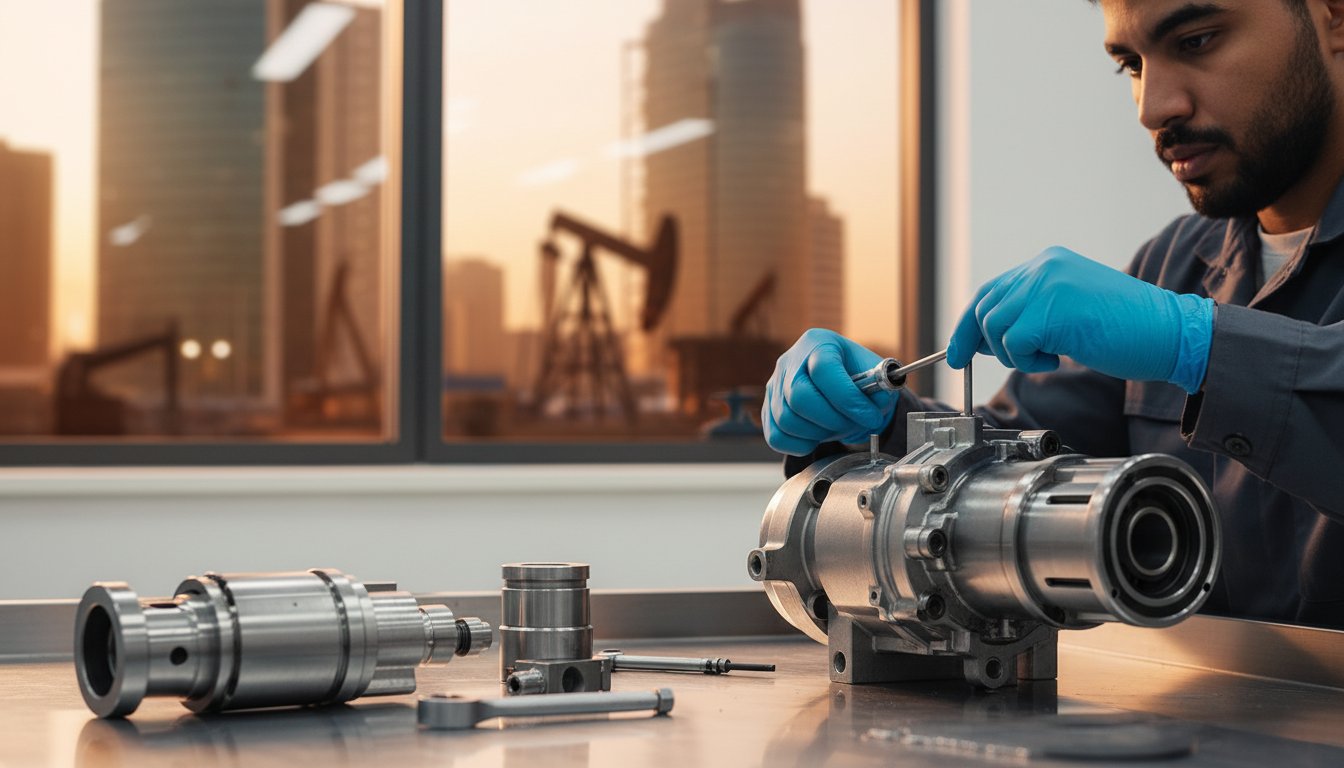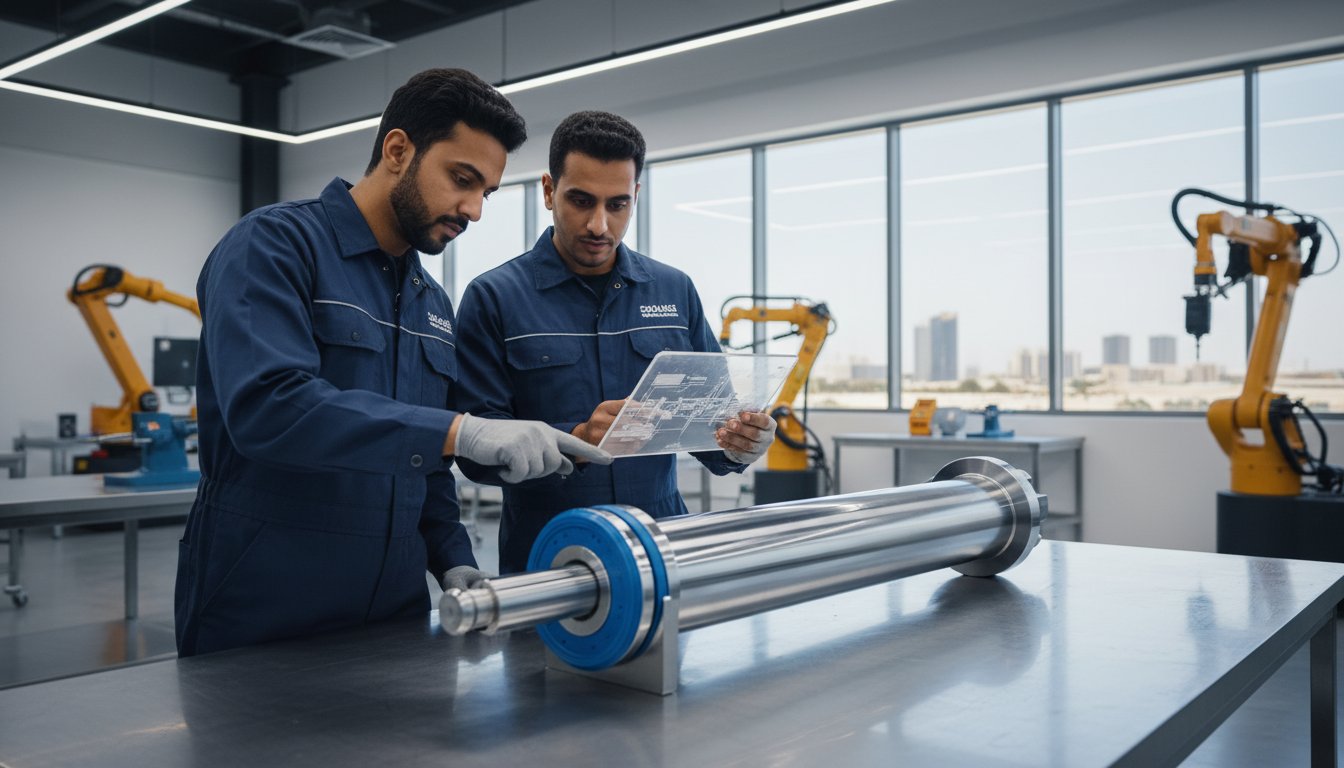
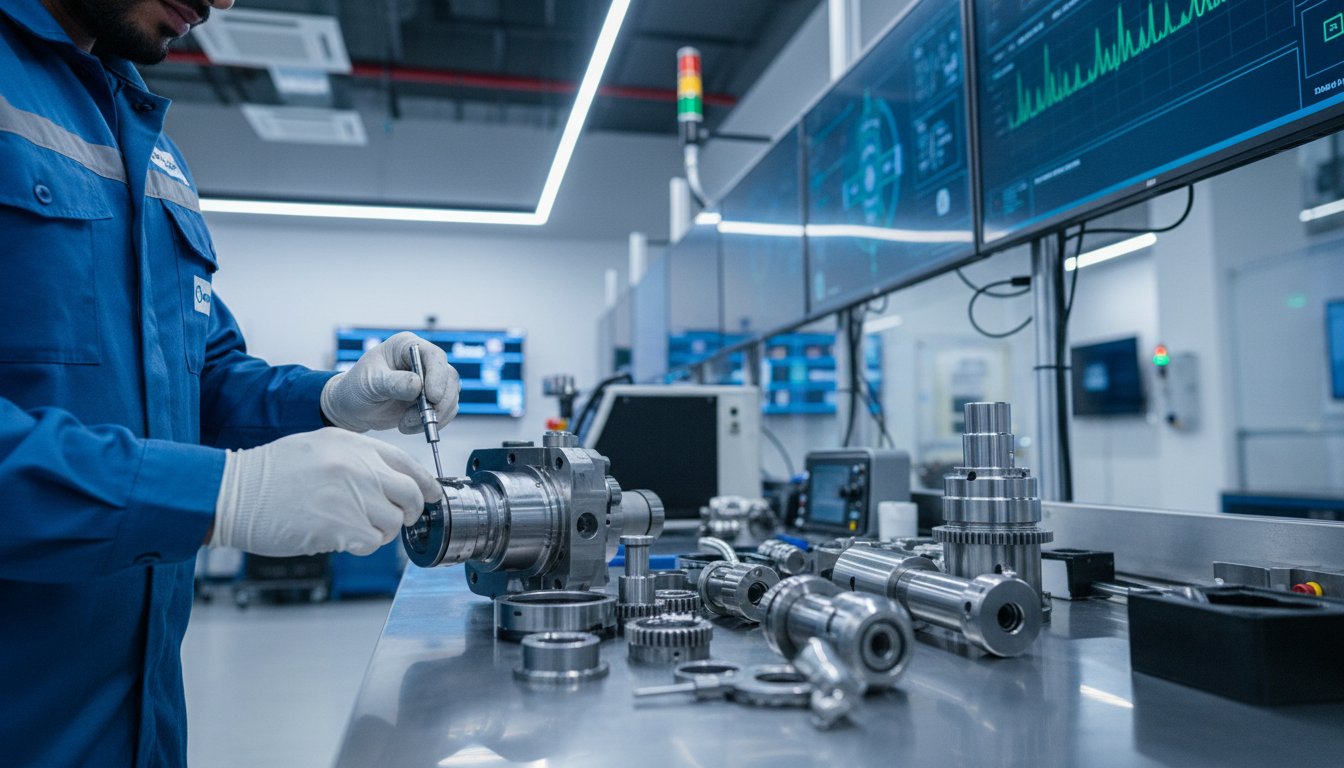
An unexpected hydraulic pump failure brings your entire operation to a grinding halt. Every minute of inactivity translates directly into lost revenue, and the uncertainty of the problem-its cause, its severity, and the best course of action-only adds to the pressure. For businesses across Saudi Arabia, securing a fast, reliable, and expert hydraulic pump repair is critical to restoring productivity. The challenge isn't just fixing the component; it's about minimizing costly interruptions and getting your equipment back online with guaranteed performance.
This comprehensive guide is your first step toward taking control of the situation. We will equip you with the knowledge to identify common hydraulic pump failures, understand the professional repair process from diagnosis to testing, and make an informed, cost-effective decision between repairing or replacing your unit. Our goal is to provide a clear roadmap that helps you find a trustworthy expert, reduce downtime, and ensure your systems are always in motion.
Key Takeaways
- Recognize early warning signs like unusual noises or slow performance to prevent minor issues from escalating into major operational shutdowns.
- Go beyond simple fixes by understanding the root causes of failure, such as fluid contamination, to implement effective preventative maintenance and maximize asset lifespan.
- Learn how to evaluate the total cost of ownership to make a strategic decision between a professional hydraulic pump repair and a full replacement, saving significant capital expenditure.
- Discover the key criteria for selecting a reliable repair partner in Saudi Arabia to ensure they have the diagnostic tools and expertise to minimize your downtime.
Identifying the Problem: 5 Common Signs Your Hydraulic Pump Needs Repair
In any industrial operation in Saudi Arabia, every minute of equipment downtime directly impacts your bottom line. Your hydraulic system is the powerhouse of your machinery, and its pump is the heart. Understanding the early warning signs of failure is crucial for preventing catastrophic breakdowns and costly interruptions. These symptoms are not minor inconveniences; they are clear indicators of developing problems that will lead to significant performance loss. Adopting a proactive inspection schedule over a reactive repair strategy is the key to maximizing productivity and ensuring operational reliability. Recognizing these signs early is the first step toward a fast, effective hydraulic pump repair solution.
Symptom 1: Abnormal Noises
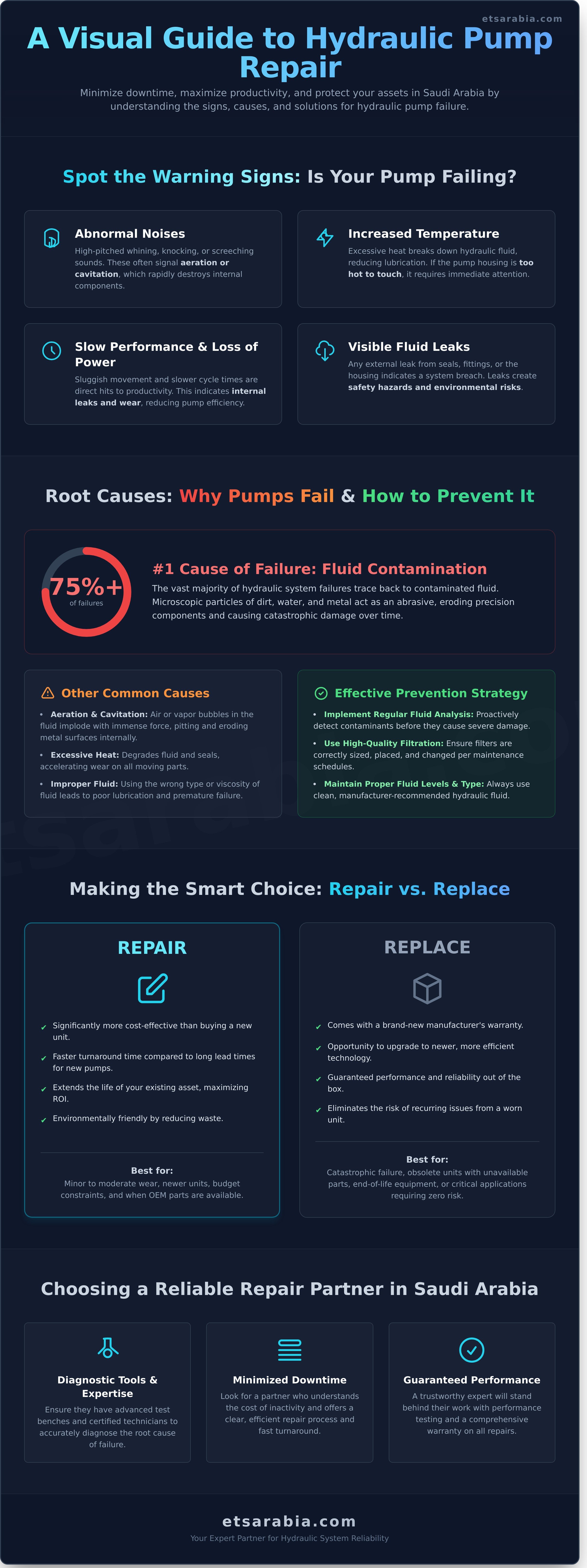
One of the most immediate signs of trouble is unusual noise. Healthy hydraulic pumps operate with a consistent, low hum. If you begin to hear high-pitched whining, knocking, or screeching sounds, it signals a serious internal issue. These noises are often caused by aeration (air in the fluid) or cavitation (vapor cavities collapsing within the fluid), both of which can rapidly erode and destroy critical internal components. Ignoring these sounds means allowing damage to continue, leading to a much more complex and expensive repair.
Symptom 2: Increased Operating Temperature
Excessive heat is a silent killer for hydraulic systems. While pumps generate some heat during normal operation, a noticeable increase in temperature is a major red flag. High heat breaks down hydraulic fluid, reducing its viscosity and lubricating properties. This can be caused by internal leaks, fluid contamination, or low fluid levels. Overheating accelerates wear on seals and metal parts, increasing the risk of component seizure and complete system failure. If the pump housing is too hot to touch, it requires immediate professional attention.
Symptom 3: Slow Performance and Loss of Power
A direct hit to your productivity is a clear sign your pump is failing. If you notice sluggish cylinder movement, slower cycle times, or a general loss of power and responsiveness, the pump is likely losing efficiency. This is typically due to internal leaks caused by wear and tear on components like vanes, pistons, or gears. The pump can no longer generate the required pressure to perform its job effectively, which means your equipment is not operating at its guaranteed capacity.
Symptom 4: Visible Fluid Leaks
While a minor drip might seem insignificant, any external fluid leak is a sign that a seal or component has failed. Leaks from shaft seals, fittings, or the pump housing itself indicate a breach in the system. While understanding what is a hydraulic pump helps identify its parts, seeing fluid escape from any of them is a universal sign of trouble. Beyond the cost of replacing lost fluid, leaks create significant safety hazards (slip-and-fall risks) and environmental concerns, making prompt hydraulic pump repair essential for compliance and safety.
The Root Causes of Hydraulic Pump Failure (And How to Prevent Them)
Reacting to a hydraulic pump failure is a costly, disruptive process. A proactive approach, focused on understanding the root causes of failure, is the most effective strategy to ensure long-term operational reliability and minimize downtime. Investing in preventative maintenance is not merely a technical task; it is a critical business decision. Understanding the financial impact of pump maintenance versus premature replacement allows you to protect your assets and optimize your operational budget. Below, our experts outline the primary causes of pump failure and the essential steps to prevent them.
Fluid Contamination: The #1 Cause of Failure
The vast majority of hydraulic system failures can be traced back to contaminated fluid. Microscopic particles of dirt, water, and metal act as an abrasive, eroding precision-machined internal components like pistons, vanes, and gears. This damage reduces efficiency, increases internal leakage, and ultimately leads to catastrophic failure. Preventing this requires a diligent, non-negotiable maintenance protocol.
- Prevention: Implement regular fluid analysis to detect contaminants before they cause severe damage. Ensure your system uses high-quality filtration, and always use clean, manufacturer-recommended hydraulic fluid during top-offs and changes. This simple discipline is the best defense against needing emergency hydraulic pump repair.
Aeration and Cavitation
Aeration (air bubbles in the fluid) and cavitation (vapor bubbles forming and collapsing) are silent killers of hydraulic pumps. Both phenomena create destructive micro-explosions inside the pump housing. This process, known as implosion, pits and erodes internal metal surfaces, leading to a rapid decline in performance and loud, unusual operating noises-a clear sign that damage is occurring.
- Prevention: Regularly inspect all intake lines, seals, and fittings for potential air leaks. It is also crucial to maintain the proper fluid level in the reservoir to prevent air from being drawn into the system.
Operational Errors and Over-Pressurization
Every hydraulic pump is engineered to operate within specific pressure and speed limits. Exceeding these specifications, even for short periods, places immense stress on bearings, shafts, and seals. This leads to excessive heat generation, which degrades fluid viscosity and accelerates component wear, drastically shortening the pump’s service life and often necessitating a complete overhaul or replacement.
- Prevention: Ensure all equipment operators receive thorough training on system limitations. Regular system calibration by qualified technicians is essential to verify that pressure relief valves are correctly set and functioning, protecting the pump from damaging pressure spikes.
The Professional Hydraulic Pump Repair Process: An Inside Look
When a critical pump fails, attempting a quick fix can lead to greater damage and extended operational downtime. A professional hydraulic pump repair service follows a systematic, transparent process designed to restore your equipment to its original manufacturer (OEM) specifications. This methodical approach demystifies the repair journey and guarantees a reliable, long-lasting solution, contrasting sharply with the risks of a DIY approach.
Step 1: Initial Inspection and Diagnosis
Upon arrival at our facility, every pump undergoes a thorough external inspection to identify obvious damage like cracked housings or sheared shafts. Our technicians consult with you to understand the specific failure symptoms and operating conditions. Where possible, an initial performance test is conducted on a dedicated test bench to establish a baseline and confirm the reported issues, ensuring our diagnosis is precise from the very beginning.
Step 2: Complete Disassembly and Component Analysis
The pump is carefully disassembled in a clean, controlled environment to prevent contamination. Each internal component-from pistons and valve plates to seals and bearings-is meticulously cleaned, measured, and inspected for wear, scoring, fatigue, or heat damage. This crucial step allows our experts to pinpoint the exact root cause of the failure, addressing the core problem rather than just its symptoms for a more durable repair.
Step 3: Quoting, Repair, and Reassembly
Once the analysis is complete, we provide a detailed quotation in Saudi Riyal (SAR) that clearly outlines all necessary parts and labor costs. With your approval, our certified technicians proceed with the repair, using only high-quality, genuine OEM replacement parts. The pump is then reassembled with precision, adhering strictly to the manufacturer’s specified tolerances to ensure optimal performance and efficiency.
Step 4: Rigorous Testing and Quality Assurance
A repair is not complete until it is proven. The rebuilt pump is mounted on our advanced hydraulic test stand, where it is subjected to rigorous testing under simulated operational loads. We verify that its pressure, flow, and efficiency meet or exceed OEM standards. This final validation guarantees that your pump is ready for reliable, peak performance in your demanding industrial environment. Need an expert diagnosis to prevent costly downtime? Schedule your pump inspection with ETS.
Repair vs. Replace: Making the Right Financial Decision
When a critical hydraulic pump fails, maintenance managers across Saudi Arabia face an immediate and crucial decision: should you repair the existing unit or replace it entirely? The answer is rarely simple and has significant implications for your budget, operational uptime, and long-term reliability. There is no single correct answer for every situation, but a structured evaluation can lead to the most cost-effective choice. At ETS, we serve as your technical partner, providing the honest advice you need to navigate this decision with confidence.
Cost Analysis: Beyond the Initial Price Tag
A common rule of thumb is that a comprehensive repair will cost approximately 50-60% of a new unit's price. For example, if a new pump is valued at 30,000 SAR, a professional repair might range from 15,000 to 18,000 SAR. However, a true financial analysis must consider all factors:
- Initial Outlay: Compare the direct quote for a hydraulic pump repair against the purchase price of a new pump.
- Installation Costs: A new pump often requires new fittings, mounts, or even system modifications, adding significant labor and material costs that are not present with a simple repair.
- Technology Upgrades: In some cases, replacing an older pump with a newer, more energy-efficient model can provide long-term operational savings that justify the higher initial investment.
Downtime and Lead Time
In the fast-paced industrial landscape of the Kingdom, downtime is measured in lost production and revenue, often costing thousands of Riyals per hour. Repair is almost always the faster solution. Sourcing and shipping a specific new pump model can take weeks or even months, especially for specialized equipment. In contrast, a skilled local repair service can often complete the work in a matter of days. For obsolete or rare pumps, repair isn't just the faster option-it's often the only viable one.
Long-Term Reliability and Warranty
A professionally repaired pump, rebuilt with quality parts and tested to meet or exceed original manufacturer specifications, offers exceptional reliability. It is a misconception that a repaired unit is inherently less dependable. Always inquire about the warranty offered on both options. A reputable service provider like ETS will stand behind their work with a comprehensive warranty, giving you peace of mind. It is also vital to assess the condition of the overall hydraulic system. Installing a brand-new pump into a system with contaminated fluid or worn components is a recipe for premature failure.
Ultimately, the best choice balances immediate costs with long-term performance. Our experts at Emdad Technical Services provide transparent diagnostics and clear recommendations, ensuring you have the data to make the optimal financial decision for your operations.
Choosing a Reliable Hydraulic Repair Partner in Saudi Arabia
Once you've identified a failing hydraulic pump, the next critical step is selecting a partner for your hydraulic pump repair. In Saudi Arabia's demanding industrial landscape, not all service providers are equipped to handle complex repairs. Your choice directly impacts operational uptime, future reliability, and total cost of ownership, making an informed decision essential to prevent recurring failures and costly downtime.
Technical Expertise and Equipment
Look beyond general mechanics for a partner with technicians who specialize exclusively in hydraulics. Proven expertise with major brands like Bosch Rexroth, Parker, and Kawasaki is a strong indicator of capability. A premier service center will operate from a dedicated, clean workshop and utilize advanced test benches. This equipment is non-negotiable for accurately diagnosing faults and verifying that a repaired pump meets or exceeds OEM specifications before it returns to your facility.
Fast Turnaround Time and Communication
Every hour of equipment downtime impacts your bottom line. A reliable partner understands this urgency and is structured to deliver efficient service. For industries in Dammam and the Eastern Province, a local partner provides a significant advantage, reducing logistical delays and enabling faster response times. A key sign of a professional operation is clear, consistent communication, providing you with transparent updates on the status of your repair from start to finish.
Quality of Parts and Warranty
The longevity of a repair is determined by the quality of the components used. Ensure your chosen provider uses high-quality, durable seals, bearings, and internal components that meet stringent industry standards. A reputable service center will always back their workmanship with a comprehensive warranty. This warranty is more than a promise; it is a clear demonstration of their confidence in the quality and reliability of their work.
By prioritizing proven expertise, rapid response, and guaranteed quality, you ensure your critical hydraulic systems are restored to peak performance. For a partner dedicated to delivering solutions that keep your operations moving forward, Choose ETS for expertise and reliability in Saudi Arabia.
Your Partner for Minimized Downtime and Maximum Performance
Effective management of your hydraulic systems hinges on two critical factors: recognizing the early signs of failure and making the right financial choice between repair and replacement. In Saudi Arabia's demanding industrial landscape, unplanned downtime directly impacts your bottom line, costing significant operational losses in SAR. When a swift and reliable hydraulic pump repair is the necessary solution, partnering with a proven expert is not just a choice-it's an investment in your productivity and operational continuity.
At ETS, we are that partner. Our experienced technicians utilize a specialized hydraulic test bench for precise diagnostics, ensuring every repair meets the highest standards of quality. Serving Dammam and the wider Kingdom, our primary focus is on providing a fast turnaround that significantly reduces costly interruptions. Don't let a failing pump compromise your operations.
Minimize your downtime. Contact ETS for expert hydraulic pump repair today.
Take control of your operational efficiency and keep your systems moving forward with confidence.
Frequently Asked Questions About Hydraulic Pump Repair
How long does a typical hydraulic pump repair take?
The turnaround time for a hydraulic pump repair depends on the extent of the damage and the availability of replacement parts. A standard reseal and minor component replacement can often be completed within 2-5 business days. For more complex overhauls requiring specialized parts, the process may take longer. At ETS, we prioritize minimizing your downtime by providing a clear timeline after our initial expert inspection, ensuring you are fully informed throughout the process.
What brands of hydraulic pumps do you service at ETS?
Our expert technicians at ETS are equipped to service a comprehensive range of leading international hydraulic pump brands. We have extensive experience with industry leaders such as Bosch Rexroth, Parker Hannifin, Eaton, Vickers, Kawasaki, Danfoss, and Denison. If you have a pump from a brand not listed here, please contact us. Our versatile expertise allows us to provide reliable solutions for most hydraulic systems operating in Saudi Arabia's demanding industrial environments.
Is it possible to perform hydraulic pump repairs on-site?
Yes, ETS offers on-site hydraulic pump repair services across Saudi Arabia for specific issues. Our mobile technical teams can perform diagnostics, minor adjustments, and seal replacements directly at your facility to minimize operational interruptions. However, for comprehensive overhauls that require specialized testing equipment and a controlled environment, we recommend bringing the unit to our state-of-the-art workshop. This ensures the highest quality and reliability for your critical equipment.
What is the average cost of a hydraulic pump repair?
The cost of a hydraulic pump repair varies significantly based on the pump's model, the severity of the damage, and the required parts. A simple reseal service might range from 1,500 to 5,000 SAR, while a complete overhaul of a large industrial pump could cost upwards of 20,000 SAR. We provide a detailed, transparent quotation after a thorough inspection. Our goal is to offer a cost-effective solution that restores performance and is often significantly more economical than a full replacement.
Do you provide a warranty on your hydraulic pump repair services?
Absolutely. At ETS, we stand behind the quality of our workmanship with a comprehensive warranty on all our services. Every completed hydraulic pump repair comes with a standard 12-month warranty covering both the parts we replace and the labor performed. This guarantee provides you with complete peace of mind, assuring you that our solutions are built for reliable, long-term performance and that your investment is protected.
What information do I need to provide to get a repair quote?
To receive a prompt and accurate repair quote, please provide us with the following key details: the pump manufacturer (e.g., Bosch Rexroth), the full model and serial number from the pump's data plate, and a brief description of the issue you are experiencing (such as unusual noises, leaks, or loss of pressure). Information about the machine it operates on and its working environment can also help our experts provide a more precise initial assessment.