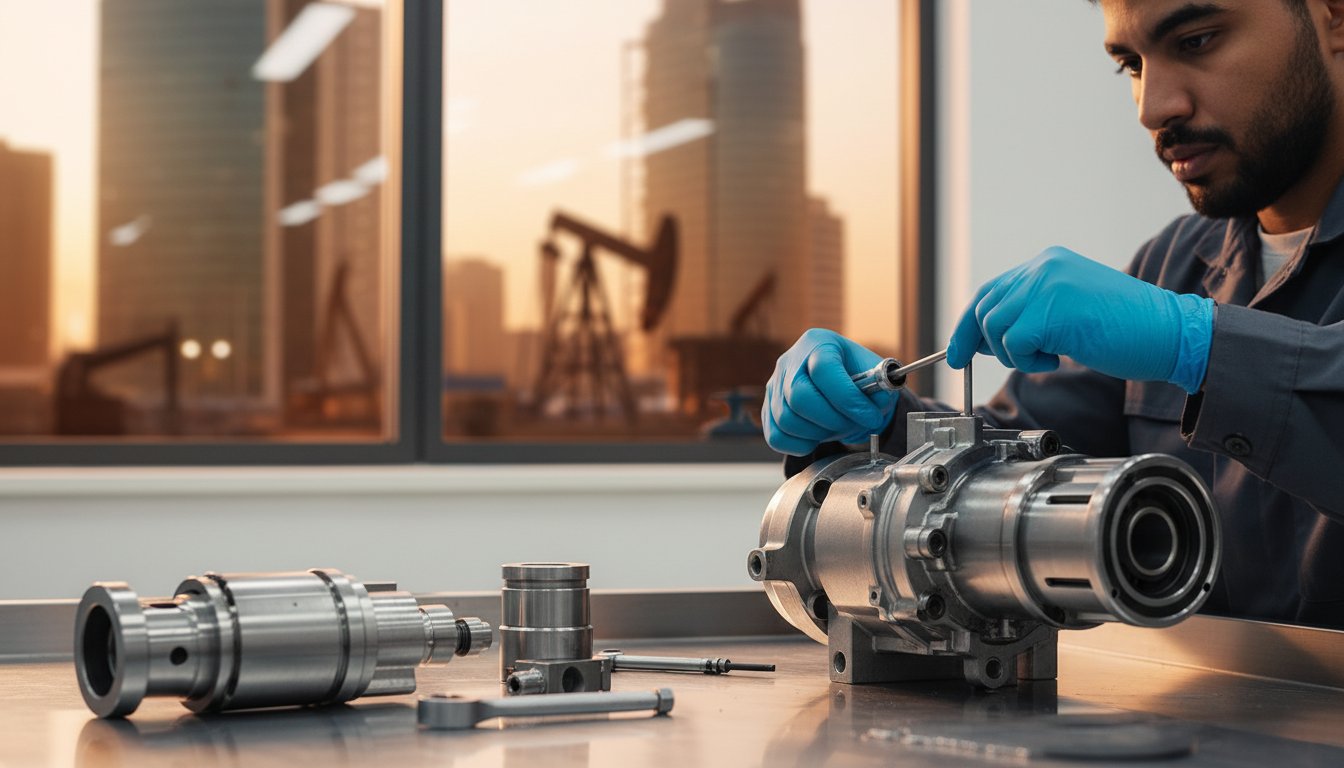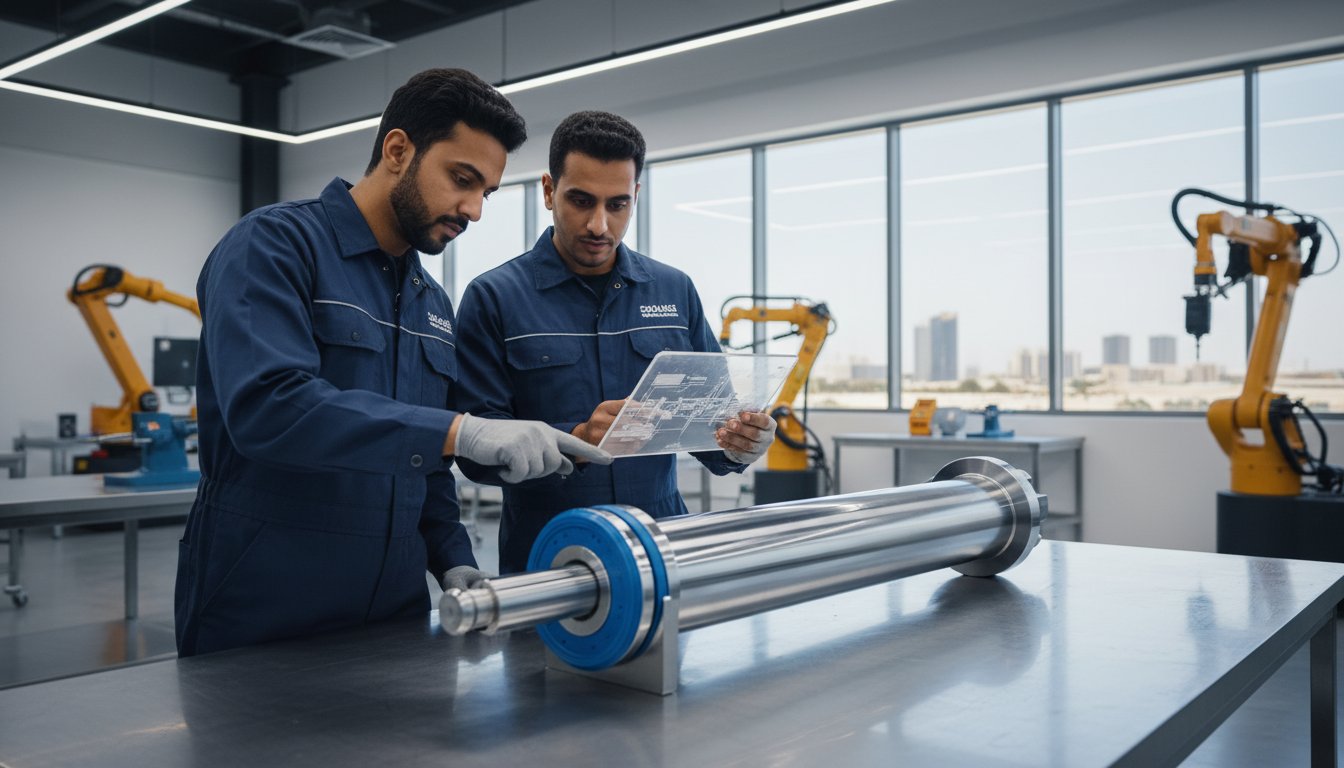

The sudden, grinding halt of critical machinery. The unplanned downtime that eats into your productivity and budget. For many industrial operations across Saudi Arabia, an unexpected hydraulic system failure is more than an inconvenience-it's a significant financial drain, costing thousands of Saudi Riyals in lost output and emergency repairs. But what if you could see these catastrophic failures coming long before they happen? The secret isn't in reactive repairs; it's in proactive prevention through expert hydraulic fluid analysis, the most effective diagnostic health check for the lifeblood of your equipment.
This definitive guide is engineered for operations managers and maintenance professionals in Saudi Arabia seeking to eliminate costly surprises. We will demystify the process, showing you exactly how a structured fluid analysis program can predict failures, slash expensive downtime, and dramatically extend the life of your critical assets. You will gain the knowledge to interpret technical lab reports, implement a cost-effective predictive maintenance strategy, and ensure your operations achieve maximum uptime and productivity. It's time to move from fixing problems to preventing them entirely.
What is Hydraulic Fluid Analysis & Why It's Non-Negotiable
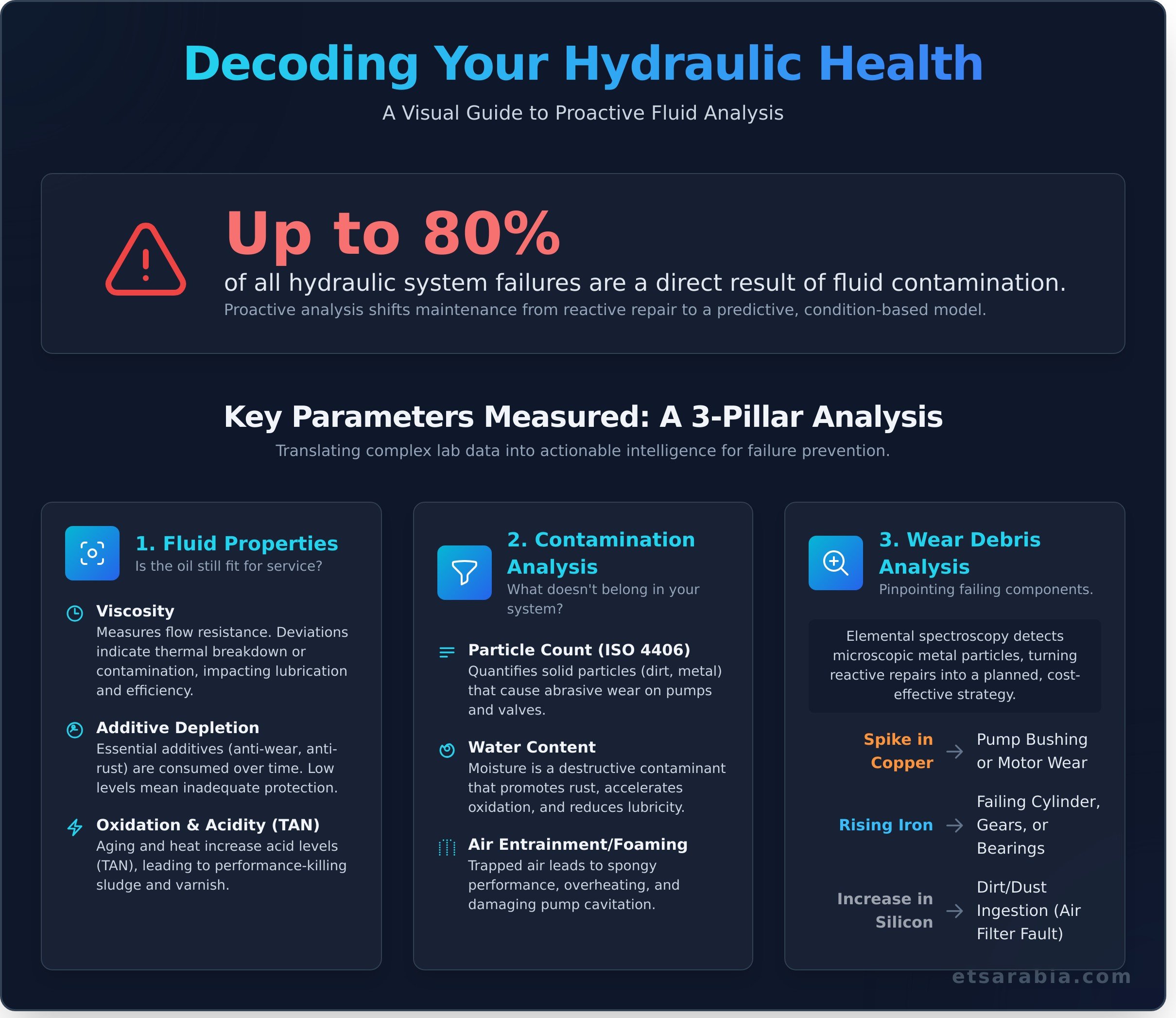
In any high-performance hydraulic system, the fluid is far more than a simple lubricant; it is the lifeblood responsible for transmitting power and ensuring operational integrity. Ignoring its condition is a critical oversight. Industry studies consistently show that up to 80% of all hydraulic system failures are a direct result of fluid contamination. This is where a proactive strategy becomes essential. Regular hydraulic fluid analysis is the practice of drawing a fluid sample and subjecting it to a series of laboratory tests to determine its health and the condition of the machine itself.
This diagnostic approach, a specific application of the broader practice of Oil analysis, shifts maintenance from a reactive, time-based schedule to a proactive, condition-based model. Instead of waiting for a breakdown, you can predict potential failures, significantly reduce unplanned downtime, and extend the life of your most valuable components. For critical sectors in Saudi Arabia, such as oil & gas, manufacturing, and construction, this predictive capability is not just an advantage-it's a necessity for maintaining productivity and profitability.
The True Cost of Contaminated Hydraulic Fluid
Contaminated fluid initiates a chain reaction of damage that can cripple operations. It causes accelerated wear on pumps, valves, and cylinders, leading to increased internal leakage and a severe drop in system efficiency. In the worst-case scenario, it can cause component seizure and catastrophic failure. The resulting unplanned downtime, lost production, and emergency repair costs can quickly amount to tens of thousands of Saudi Riyals, far exceeding the cost of a preventative analysis program.
Beyond Lubrication: The Four Functions of Hydraulic Fluid
Understanding why fluid health is paramount requires recognizing its four critical roles. When contamination compromises the fluid, it fails to perform these essential functions, directly impacting your equipment's performance and reliability:
- Power Transmission: The fluid's primary role is to act as a medium for transferring energy and force from the pump to the actuators.
- Lubrication: It creates a vital protective film between moving parts, preventing metal-on-metal contact and reducing friction and wear.
- Heat Transfer: The fluid absorbs heat from critical components and transports it to a cooler or reservoir, preventing overheating.
- Contaminant Transport: It carries away wear particles and other contaminants, delivering them to the system's filters for removal.
Key Parameters Measured: Decoding a Fluid Analysis Report
Think of a professional hydraulic fluid analysis report as a blood test for your equipment. It provides a detailed, non-invasive look inside your system, offering a complete health check of both the fluid and the machinery. By breaking down the report into three critical categories-fluid properties, contamination, and wear debris-we can translate complex data into actionable intelligence to optimize performance and prevent costly, unscheduled downtime.
Fluid Properties: Is the Oil Still Fit for Service?
This section assesses the fundamental health of the hydraulic fluid itself. If the fluid is degraded, it cannot properly protect your valuable components. Our expert analysis focuses on key indicators to ensure the fluid is fit for purpose:
- Viscosity: This measures the fluid's resistance to flow at specific temperatures. Significant deviations from the specified grade can indicate thermal breakdown or contamination, directly impacting lubrication quality and system efficiency.
- Additive Depletion: Hydraulic fluids contain essential additives like anti-wear, anti-rust, and anti-foam agents. These are consumed over time, and low levels signal that the fluid can no longer provide adequate protection against wear and corrosion.
- Oxidation & Acidity (TAN): High temperatures and aging cause fluid to oxidize, increasing its Total Acid Number (TAN). This chemical degradation leads to sludge and varnish that can clog sensitive valves and filters, compromising system performance.
Contamination Analysis: What Doesn't Belong in Your System?
Contaminants are the primary cause of hydraulic system failures. Identifying them is crucial for ensuring operational reliability. This part of the hydraulic fluid analysis quantifies harmful foreign substances that have entered the system. Understanding contamination control is one of the core fundamentals of hydraulic systems. We meticulously check for:
- Particle Count (ISO 4406): This industry standard quantifies the size and volume of solid particles like dirt, dust, and metal fragments. These contaminants cause abrasive wear on precision components like pumps and valves.
- Water Content: Often measured using the precise Karl Fischer method, moisture is a destructive contaminant that promotes rust, accelerates fluid oxidation, and reduces lubricity.
- Air Entrainment/Foaming: Trapped air bubbles reduce the fluid's bulk modulus, leading to spongy actuator performance, overheating, and potentially damaging cavitation in pumps.
Wear Debris Analysis: Pinpointing Failing Components
This is the predictive core of the analysis, allowing our technicians to identify internal component wear before it leads to catastrophic failure. Through elemental spectroscopy, we can detect and quantify microscopic metal particles. Tracking these wear metals over time reveals critical trends. For example, a spike in copper could indicate wear in pump bushings or motors, while rising iron levels may point to a failing cylinder or gears. This proactive insight allows you to schedule maintenance precisely, turning reactive repairs into a planned, cost-effective strategy that maximizes productivity.
The Hydraulic Fluid Analysis Process: A Step-by-Step Guide
Understanding the health of your hydraulic systems doesn't require a complex or disruptive procedure. The hydraulic fluid analysis process is a systematic, three-step method designed to deliver clear, actionable intelligence. However, the value of the final report is entirely dependent on the quality of the initial sample. A contaminated or poorly collected sample can lead to inaccurate results and misguided maintenance decisions. At ETS, we provide expert support to manage this process, ensuring you receive reliable data to optimize performance and prevent costly downtime.
Step 1: Proper Sample Collection Techniques
The foundation of an effective hydraulic fluid analysis is a pristine sample. Following a strict protocol is non-negotiable for gathering meaningful data. To ensure accuracy and consistency:
- Use a clean, designated sample bottle. Never reuse bottles, as residual fluid or particles will contaminate the new sample and skew the results.
- Sample from a live, turbulent zone. The sample should be taken while the system is at normal operating temperature and pressure, typically from a valve before the return line filter. This ensures contaminants are suspended and provides a true representation of the fluid in circulation.
- Maintain a consistent sample point. Always use the exact same sampling port for each piece of equipment to build reliable trend data over time.
- Label the sample immediately. Record the equipment ID, the date of the sample, and the total hours on the fluid. This context is critical for accurate interpretation.
Step 2: Lab Testing and the ISO 4406 Cleanliness Code
Once collected, the sample is sent to a specialized laboratory for evaluation. Technicians use advanced equipment like laser particle counters and spectrometers to precisely measure contaminant levels and fluid properties. This detailed scientific analysis of hydraulic fluids identifies the size, quantity, and type of contaminants. The results are often summarized using the ISO 4406 cleanliness code, a global standard for quantifying particulate contamination.
The ISO 4406 Code Explained (e.g., 18/16/13):
- First Number (18): Represents the concentration of particles ≥ 4 microns in size.
- Second Number (16): Represents the concentration of particles ≥ 6 microns in size.
- Third Number (13): Represents the concentration of particles ≥ 14 microns in size.
A lower number in each position signifies a cleaner, healthier fluid. It's crucial to note that the target cleanliness level varies significantly depending on the hydraulic system's components and operating pressure.
Step 3: Receiving and Understanding the Report
The final laboratory report translates complex data into a straightforward assessment of your fluid's condition. Most reports use a simple, color-coded system for quick evaluation:
- Green (Normal): All parameters are within acceptable limits. No action is required.
- Yellow (Caution/Warning): One or more parameters are approaching a critical limit. The system should be monitored, and proactive maintenance may be recommended.
- Red (Critical/Action Required): A parameter has exceeded its limit, indicating a serious issue that requires immediate attention to prevent component failure.
Beyond the color codes, the most valuable part of the report is the summary and recommendations section. Here, lab experts interpret the data, explain potential causes for any anomalies, and provide clear, actionable advice to correct the problem and enhance system reliability.
Interpreting Results: Turning Data into Actionable Decisions
Receiving a lab report is only the first step. The true value of hydraulic fluid analysis lies in translating complex data into a strategic maintenance plan that prevents costly downtime. A report filled with numbers and codes can be overwhelming, but with expert interpretation, it becomes a clear roadmap for proactive maintenance. This is where Emdad Technical Services (ETS) provides critical value, moving beyond simple parts supply to become your partner in operational reliability.
Our experienced technicians analyze your results and help you understand what they mean for your equipment's health. We identify patterns, pinpoint root causes, and provide clear, actionable recommendations to protect your assets. Below are common scenarios we encounter and how we help our clients in Saudi Arabia resolve them efficiently.
Scenario 1: High Particle Count (ISO Code in Red)
An elevated ISO 4406 cleanliness code is a serious warning that abrasive particles are circulating in your system, accelerating wear on critical components. This is often caused by dirt entering through worn seals, compromised breathers, or even contaminated new oil. The immediate action is to enhance your system's defences. ETS provides a complete solution, supplying high-quality replacement seals, advanced breathers, and superior filtration units to capture contaminants and restore fluid cleanliness.
Scenario 2: High Water Content
Water is one of the most destructive contaminants in a hydraulic system, causing corrosion, fluid degradation, and reduced lubricity. Its presence can stem from condensation due to the climate in Saudi Arabia, leaks in coolers, or ingress during high-pressure washing. Our recommendation is to urgently identify and repair the entry point. To resolve the immediate contamination, ETS can provide specialized water-absorbent filter elements and perform a comprehensive system flushing service to ensure all moisture is removed.
Scenario 3: High Levels of Wear Metals (e.g., Copper, Iron)
Detecting specific metals like iron, copper, or aluminum points directly to accelerated wear in a particular component. For example, high iron levels often indicate wear in a cylinder or pump, while copper can signal issues with a pump's piston shoes or a hydrostatic transmission. This is a predictive failure alert. The necessary action is to investigate the suspected component before a catastrophic failure occurs. ETS helps you take decisive action: Schedule an expert hydraulic pump repair with our team to diagnose and resolve the issue, preventing a minor problem from causing a complete system shutdown.
Partner with ETS for Comprehensive Hydraulic Health in Saudi Arabia
A lab report is just data; a true maintenance strategy is a complete solution. Protecting your high-value hydraulic assets requires more than just identifying contaminants-it demands a partner who can interpret the results, prescribe the right action, and execute the solution swiftly. Emdad Technical Services (ETS) moves beyond simple testing to offer an integrated approach to hydraulic system health, designed to keep your operations in Saudi Arabia running at peak performance and profitability.
Local Expertise for Demanding Environments
We understand the unique challenges your equipment faces. The intense heat and pervasive dust of the Saudi climate accelerate fluid degradation and component wear. Our solutions are not generic; they are specifically tailored to mitigate these local factors. With a fully-equipped service center in Dammam, our expert technicians provide fast, on-site response to minimize your operational downtime and ensure your systems are optimized for the demanding local environment.
From Analysis to Repair: An Integrated Solution
At ETS, we don't just hand you a report and walk away. Our comprehensive service model ensures that the insights from your hydraulic fluid analysis are immediately actionable. Our certified technicians interpret the data to pinpoint the root cause of any issue, from contamination to component wear. We then perform the necessary filtration, fluid replacement, or mechanical repairs, supported by our massive in-house inventory of hydraulic parts and components for rapid service.
Schedule Your Hydraulic System Health Check Today
Stop reacting to costly equipment failures and start implementing a proactive maintenance strategy. A partnership with ETS is an investment in reliability and productivity. Let our experts help you protect your assets and enhance your operational efficiency.
- Move from reactive repairs to a proactive maintenance schedule.
- Let our experts design a custom hydraulic fluid analysis program for your fleet.
- Protect your investment and maximize the lifecycle of your critical equipment.
Ready to ensure the long-term health of your hydraulic systems? Contact an ETS specialist today to schedule a comprehensive consultation and discover how we keep your operations in motion.
Secure Your Operations with Proactive Hydraulic System Care
As this guide has shown, your hydraulic fluid is more than a simple lubricant; it is a vital source of diagnostic information. Embracing a predictive maintenance strategy, centered on regular hydraulic fluid analysis, is the most effective way to prevent catastrophic equipment failure, reduce costly interruptions, and maximize the productivity of your operations in Saudi Arabia.
At Emdad Technical Services (ETS), we translate that data into decisive action. Our expertise in minimizing downtime for the Kingdom's top industries is built on providing integrated solutions. With fast, reliable support from our Dammam-based technical team, we offer everything from advanced analysis to expert repair and parts supply. We are not just a supplier; we are your partner in operational reliability.
Don't wait for a system failure to force your hand. Take a proactive step towards unparalleled equipment health today. Request a Consultation for Your Hydraulic Maintenance Program and let ETS build a strategy that guarantees your systems are always in motion.
Frequently Asked Questions About Hydraulic Fluid Analysis
How often should I perform hydraulic fluid analysis?
The ideal frequency depends on your equipment's criticality and operating environment. For critical systems operating in demanding conditions, such as those found in Saudi Arabia's industrial sector, we recommend quarterly analysis. For less critical machinery, a semi-annual or annual schedule may suffice. It is always best to consult the Original Equipment Manufacturer (OEM) guidelines and adjust the frequency based on trend analysis to proactively prevent costly downtime and ensure peak performance.
What is the typical cost of a hydraulic fluid analysis service?
In Saudi Arabia, the cost for a standard hydraulic fluid analysis typically ranges from 200 SAR to 500 SAR per sample. The final price depends on the complexity of the tests required, from basic particle counts to more comprehensive chemical and viscosity assessments. While this is an operational expense, it represents a minor investment compared to the significant costs of equipment failure, unscheduled downtime, and major component replacement, making it a highly effective cost-prevention strategy.
Can I use a portable particle counter instead of sending a sample to a lab?
A portable particle counter is an excellent tool for real-time, on-site trend monitoring of fluid cleanliness levels. It provides immediate feedback, which is valuable for verifying filtration performance. However, it cannot replace a full laboratory analysis. A lab provides a comprehensive health check of the fluid, identifying water content, viscosity changes, additive depletion, and wear metals-critical data that a particle counter cannot detect. For optimal reliability, we recommend using both tools in your maintenance program.
What is the single most important contaminant to monitor in hydraulic fluid?
While several contaminants can harm a system, solid particulate contamination is universally considered the most destructive. These microscopic particles cause abrasive wear on critical components like pumps, valves, and cylinders, leading to reduced efficiency, internal leakage, and eventual catastrophic failure. Effectively monitoring and controlling particulate matter is the most crucial step in extending component life, enhancing system reliability, and minimizing operational interruptions.
How do I set the right ISO 4406 cleanliness target for my equipment?
The most reliable source for setting an ISO 4406 cleanliness target is the equipment manufacturer's (OEM) service manual. The target is determined by the most sensitive component in your system. For example, high-pressure systems with servo valves require exceptionally clean fluid (e.g., 16/14/11), while lower-pressure systems with gear pumps may tolerate a higher target (e.g., 20/18/15). Setting and maintaining the correct target is essential for guaranteeing equipment longevity and operational efficiency.
Does ETS provide on-site sample collection services in Saudi Arabia?
Yes, Emdad Technical Services (ETS) provides expert on-site sample collection across the Kingdom of Saudi Arabia. Our trained technicians ensure that samples are drawn correctly using a documented procedure, which is critical for obtaining accurate and reliable results from your hydraulic fluid analysis program. This professional service eliminates sampling errors, helps you maintain data integrity, and allows you to make confident, data-driven decisions to optimize equipment performance and prevent downtime.