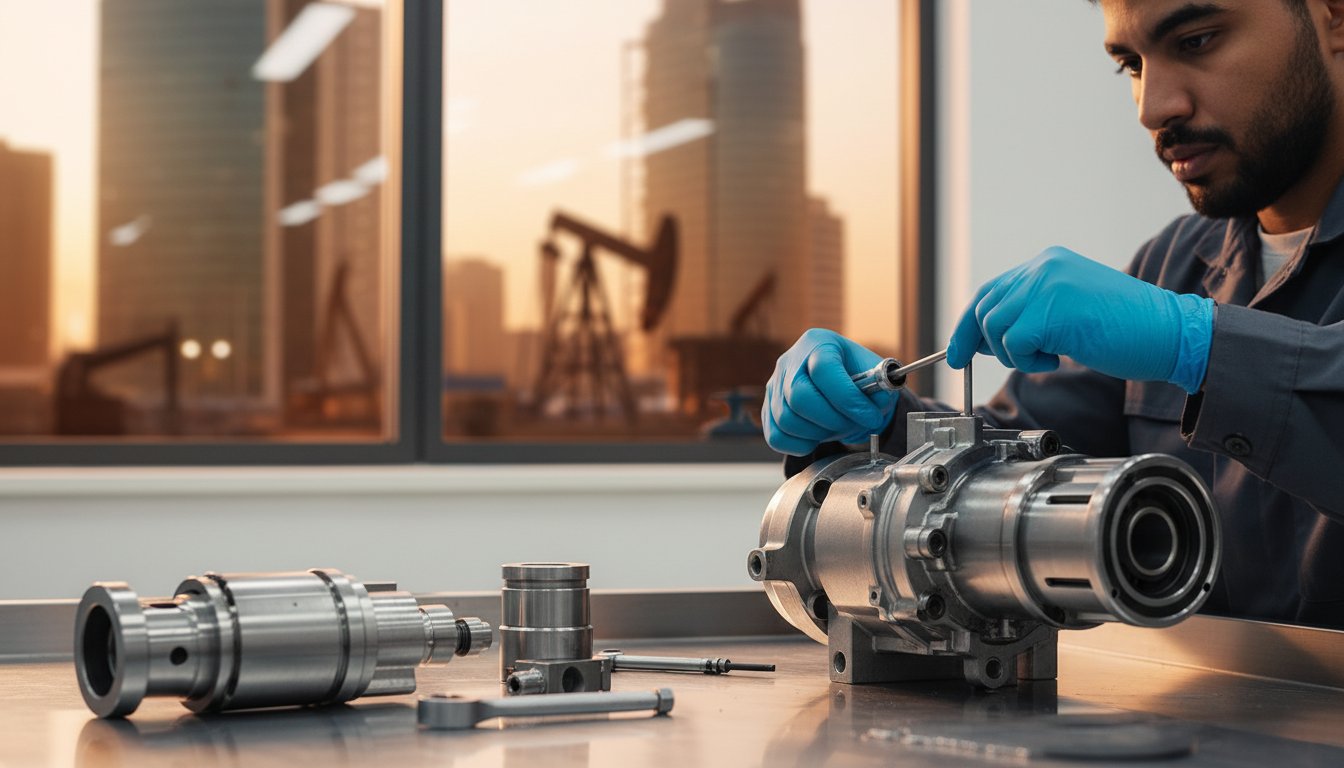
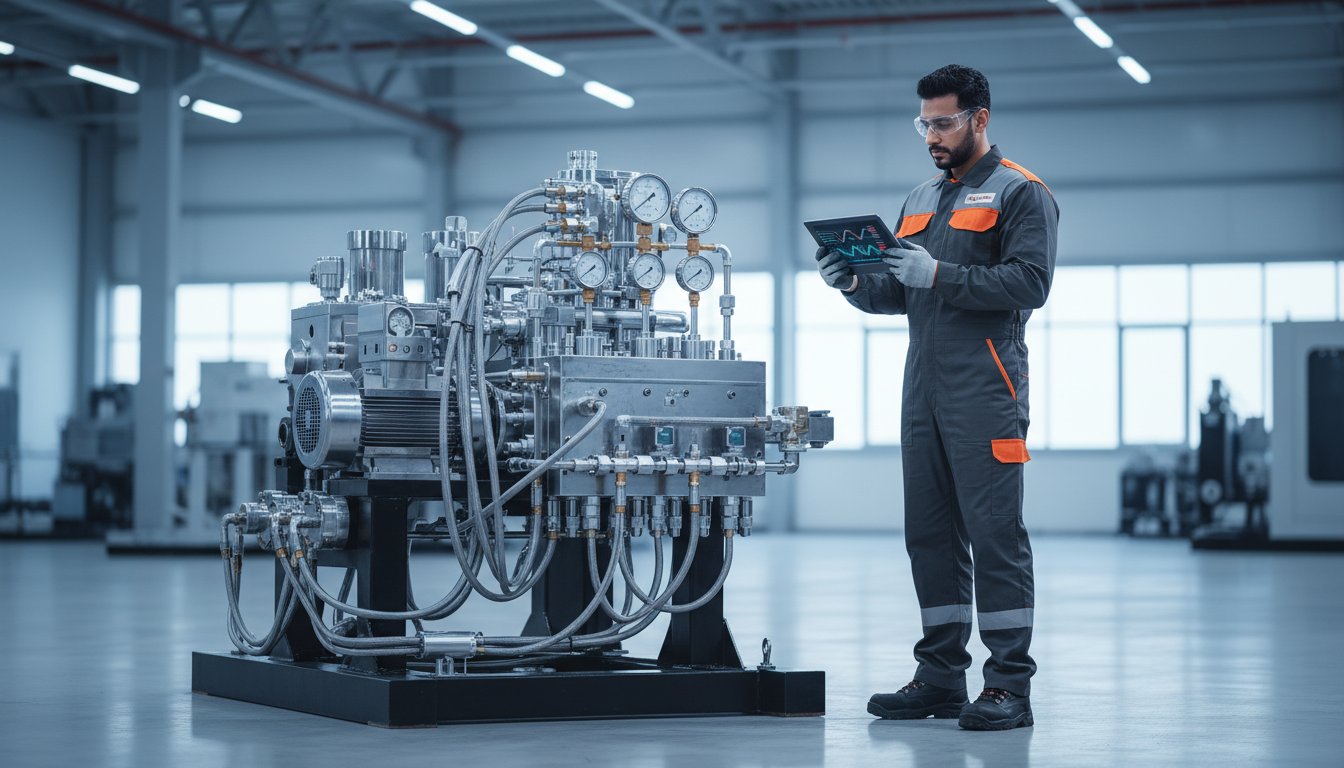
The sudden silence of a critical hydraulic system. The mounting costs of a stalled production line, where every hour of inactivity can cost thousands of Saudi Riyals in lost output. For maintenance managers across Saudi Arabia, these scenarios are a constant source of pressure. These unexpected failures are not just the cost of doing business; they are symptoms that can be managed. The critical challenge is learning how to reduce hydraulic system downtime and shifting from a reactive, costly repair cycle to a proactive strategy of control and reliability.
This expert guide provides the solution. We deliver a comprehensive, actionable framework designed to empower industrial operators and managers. Inside, you will discover proven strategies to diagnose root causes, implement effective preventive maintenance, and optimize system performance. Our goal is to help you extend the lifespan of your expensive hydraulic components, significantly cut operational costs, and ensure your equipment operates with the predictable, reliable performance that your business demands, enhancing both safety and productivity across your facility.
Key Takeaways
- Understand the full financial impact of downtime in Saudi Riyal (SAR), recognizing that fluid contamination is the leading, yet preventable, cause of most hydraulic failures.
- Transition from a reactive repair model to a structured Preventive Maintenance (PM) program to dramatically increase equipment reliability and operational lifespan.
- Discover how to reduce hydraulic system downtime by leveraging advanced strategies like condition monitoring and fluid analysis to predict and prevent failures before they occur.
- Implement standardized operating procedures (SOPs) and targeted staff training to eliminate operator error and enhance the efficiency of your hydraulic systems.
- Establish a relationship with an expert hydraulic service partner to guarantee rapid, reliable support and minimize the duration of any unplanned interruptions.
The True Cost of Downtime: Understanding Common Causes of Failure
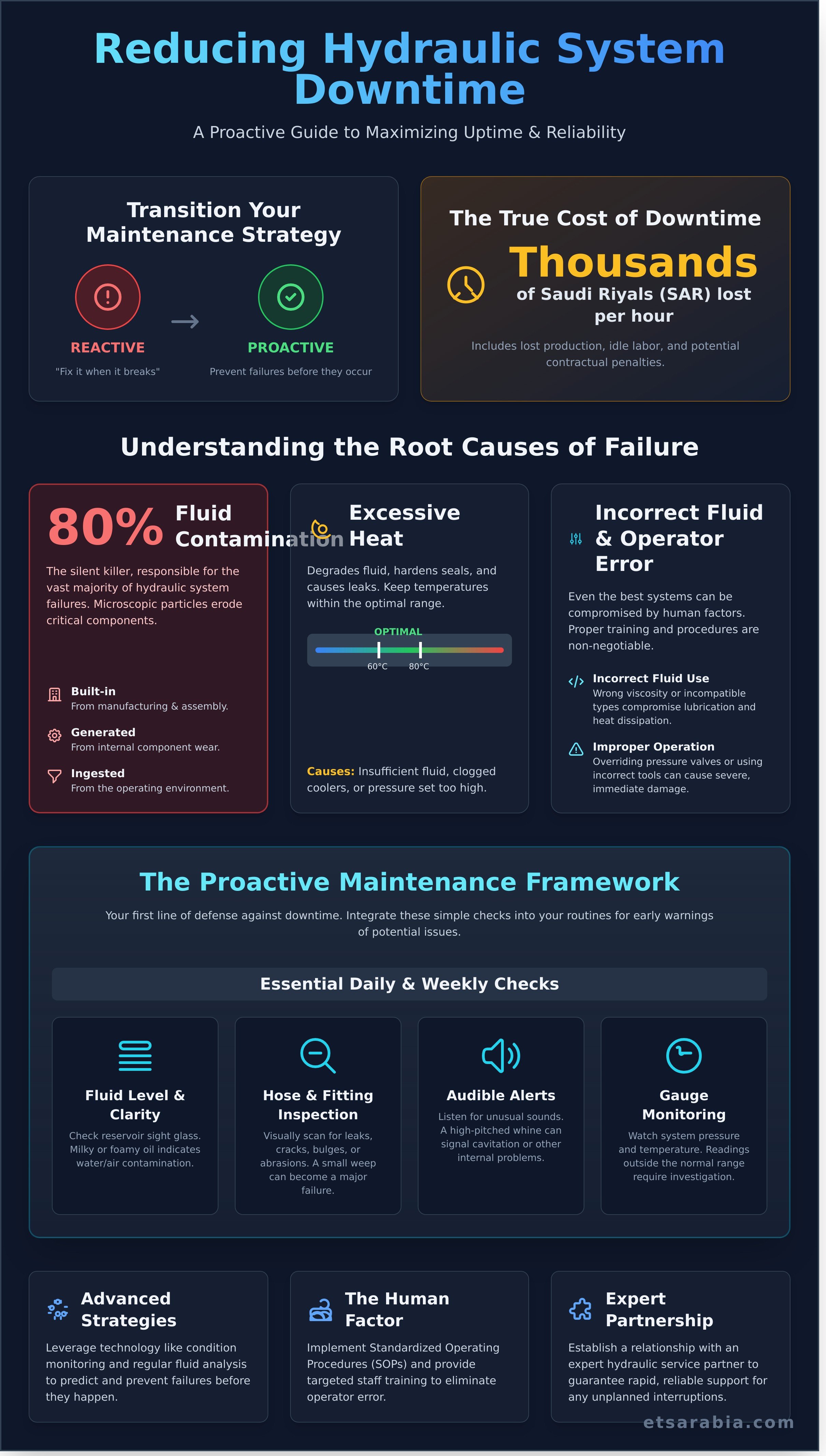
When a critical hydraulic system fails, the invoice for a replacement pump or valve is only the beginning of the story. The true cost of downtime multiplies rapidly, encompassing lost production quotas, idle labor expenses, and potential contractual penalties, often amounting to thousands of Saudi Riyals (SAR) for every hour of inactivity. Over time, frequent interruptions can damage your operational reputation. A key metric to track is Mean Time Between Failures (MTBF), which provides a clear indicator of system reliability. Understanding the primary causes of failure is the first step in improving this metric and learning how to reduce hydraulic system downtime effectively.
Contamination: The Silent Killer
Industry data consistently shows that fluid contamination is responsible for up to 80% of all hydraulic system failures. This pervasive threat enters your system in three primary ways: built-in during manufacturing, generated internally from component wear, and ingested from the surrounding environment. Microscopic particles of dirt, water, and air act as an abrasive slurry, eroding the tight tolerances of pumps, motors, and valves, leading to diminished performance, internal leaks, and eventual catastrophic failure.
Excessive Heat and Its Consequences
Heat is a formidable enemy of hydraulic system reliability. When operating temperatures exceed the recommended range (typically 60-80°C), the hydraulic fluid begins to degrade, losing its lubricity and forming harmful sludge and varnish. This process also causes seals and hoses to harden and crack, creating leak points. Common causes of overheating include:
- Insufficient fluid levels in the reservoir
- Clogged or inefficient heat exchangers and coolers
- System pressure set higher than required
Incorrect Fluid and Operator Error
Using the wrong hydraulic fluid-whether an incorrect viscosity or an incompatible type-is a direct path to system failure. It compromises lubrication, heat dissipation, and overall performance. However, even with the correct fluid, human error can bypass the most robust designs. A failure to grasp basic Hydraulic machinery principles can lead operators to override pressure relief valves or use improper tools, causing severe damage. This underscores why clear labeling, standardized procedures, and comprehensive training are critical components of any strategy for how to reduce hydraulic system downtime.
Proactive Maintenance: The Foundation of Hydraulic System Reliability
In Saudi Arabia's demanding industrial landscape, a reactive 'fix it when it breaks' approach is a recipe for costly interruptions. Waiting for a component to fail leads to unplanned shutdowns, emergency repair costs, and significant production losses measured in thousands of SAR per hour. The most effective strategy for how to reduce hydraulic system downtime is to adopt a proactive mindset. A structured Preventive Maintenance (PM) program is the cornerstone of system reliability, shifting your team from reactive firefighting to strategic forward-planning. This approach extends component life, enhances operational safety, and prevents the catastrophic failures that can halt your entire operation.
Essential Daily and Weekly Checks
Your operators and technicians are your first line of defense. Integrating these simple checks into daily and weekly routines provides crucial early warnings of potential issues:
- Fluid Level and Clarity: Regularly check the reservoir sight glass. The fluid should be at the correct level and clear; milky or foamy oil indicates water or air contamination.
- Hose and Fitting Inspection: Visually scan all hydraulic hoses and connections for leaks, cracks, bulges, or abrasions. A small weep can quickly become a high-pressure failure.
- Audible Alerts: Listen for unusual sounds. A high-pitched whine from a pump can signal cavitation, while knocking may indicate a serious internal problem.
- Gauge Monitoring: Keep a close eye on system pressure and temperature gauges. Any reading outside the normal operating range is a critical indicator that demands investigation.
Scheduled Monthly and Quarterly Tasks
More in-depth inspections should be scheduled to maintain long-term system health and peak efficiency. These planned tasks are vital for preventing gradual wear from turning into a sudden breakdown.
- Filter Replacement: Change hydraulic filters based on a set schedule or when the clog indicator activates to protect sensitive components from contamination.
- Fluid Sampling: Take a fluid sample for professional oil analysis. This provides a detailed report on fluid condition and internal wear (detailed in our next section).
- System Cleaning: Clean debris from heat exchanger fins to ensure optimal cooling, especially in high ambient temperatures. A clean reservoir exterior also makes new leaks easier to spot.
- Component Security: Check and tighten accessible fittings, fasteners, and mounting bolts to prevent leaks caused by system vibration.
The Importance of Quality Components
A PM program's effectiveness is directly tied to the quality of the replacement parts you use. Opting for cheaper components is a false economy that undermines reliability goals. Premium hoses, seals, and filters are engineered to withstand demanding operational pressures and the harsh environmental conditions in Saudi Arabia. While the initial cost may be higher, their longevity prevents failures that cost thousands of SAR in lost production. Investing in superior components is a direct investment in uptime. Source high-quality hydraulic components from ETS to ensure your maintenance efforts deliver maximum reliability.
Advanced Strategies: Condition Monitoring and Fluid Analysis
To truly master equipment reliability, operations must evolve beyond routine preventive maintenance. Shifting to a predictive maintenance (PdM) model allows you to identify potential failures before they occur, transforming your maintenance schedule from a fixed calendar to a dynamic, condition-based plan. Investing in advanced diagnostic tools and services delivers a significant return by eliminating guesswork and preventing catastrophic failures. This data-driven approach is a cornerstone of modern strategies for how to reduce hydraulic system downtime, ensuring every maintenance action is timely and necessary.
The Power of Regular Oil Analysis
Your hydraulic fluid is the lifeblood of the system, and analyzing it provides a detailed health report. A comprehensive oil analysis reveals critical data points, including:
- Particle Count: Identifies specific wear metals (like iron from cylinders or copper from pump bushings) to pinpoint which components are degrading.
- Water Contamination: Detects moisture that causes corrosion, fluid degradation, and reduced lubrication.
- Viscosity: Measures the fluid’s resistance to flow, ensuring it meets operational specifications for optimal performance and protection.
We recommend quarterly sampling for critical systems and semi-annual or annual analysis for less-critical equipment to proactively address contamination and wear.
Using Technology for System Health Checks
Advanced diagnostic technologies provide a non-invasive window into your system's operational health. Thermal imaging cameras can instantly spot overheating components like pumps, motors, or blocked coolers, which are often early indicators of inefficiency or impending failure. Similarly, vibration analysis detects subtle changes in pump and motor frequencies that signal bearing wear, misalignment, or cavitation. For leaks, ultrasonic inspection equipment can identify high-frequency sounds from internal bypass leaks or external pressure leaks that are impossible to hear or see.
Implementing a Predictive Maintenance Program
A successful PdM program follows a clear, methodical process: establish baseline performance data when your system is healthy, set precise alarm limits for key indicators like temperature and particle counts, and then schedule maintenance only when data trends toward these limits. This targeted approach prevents the unnecessary replacement of perfectly good components, a common issue with time-based maintenance. It optimizes resource allocation and is the most efficient method for how to reduce hydraulic system downtime. For a seamless implementation, partner with ETS for expert diagnostics and condition monitoring. Our specialists provide the technology and expertise to build a program that ensures your systems are always in motion.
The Human Factor: Proper Operation and Staff Training
Even the most meticulously engineered hydraulic system is vulnerable to one critical variable: human error. State-of-the-art components and proactive maintenance schedules can be undermined by improper operation. Investing in your team's knowledge and standardizing procedures are non-negotiable strategies for enhancing reliability and ensuring your operations run at peak efficiency. This is a fundamental step in understanding how to reduce hydraulic system downtime before it even begins.
Clear communication between shifts and departments is also vital. A minor issue noted by an operator on one shift can escalate into a major failure on the next if not properly communicated and logged. A culture of vigilance and shared responsibility is essential for operational excellence.
Developing and Enforcing SOPs
Standardized Operating Procedures (SOPs) eliminate guesswork and ensure consistency, which is critical for equipment longevity. Effective SOPs are clear, accessible, and strictly enforced. They form the backbone of a reliable operational culture and must cover:
- Proper Start-up and Shutdown: Sequences that prevent pressure shocks, component stress, and premature wear.
- Operational Limits: Clear guidelines on operating within designed pressure, temperature, and load capacities to prevent system overload.
- Emergency Protocols: Step-by-step instructions for a safe and rapid shutdown during a malfunction.
- Meticulous Record-Keeping: Logging run hours, maintenance activities, and any unusual observations in a central logbook.
Essential Training for Your Team
A well-trained team is your first line of defense. Continuous training transforms operators from simple users into proactive guardians of your hydraulic assets. An effective training program, tailored to your specific systems in Saudi Arabia, should focus on:
- Hydraulic Fundamentals: Understanding how the system works, from basic principles to the function of specific components.
- Recognizing Early Warnings: Training staff to identify subtle signs of trouble, such as unusual noises, increased heat, slower cycle times, or visible leaks.
- Contamination Control: Emphasizing correct fluid handling, filtration, and sampling techniques to prevent the number one cause of hydraulic failure.
Empowering your personnel with this knowledge is one of the most cost-effective ways to optimize performance and slash unexpected repair costs. For expert support in developing robust training and operational protocols, contact the specialists at ETS. We provide solutions that keep your operations moving forward.
Choosing the Right Partner for Hydraulic Support and Repair
Even with the most robust preventative maintenance plan, the demanding operational environments in Saudi Arabia mean that unexpected hydraulic failures can still occur. The true measure of your operational resilience isn't just preventing failures, but how swiftly and effectively you recover from them. A critical, often overlooked, aspect of knowing how to reduce hydraulic system downtime is having a reliable, expert support partner on standby before you need them.
Key Qualities of a Top-Tier Service Provider
When every minute of downtime translates into significant lost revenue, your choice of a hydraulic service partner is paramount. Look for a provider that demonstrates a clear commitment to your operational continuity. Essential criteria include:
- 24/7 Availability and Rapid Response: A partner must be prepared to act immediately. Emergency service isn't a luxury; it's a necessity for minimizing costly interruptions.
- Proven Expertise: Technicians should have documented experience with a diverse range of industrial, mobile, and marine hydraulic systems, ensuring they can diagnose complex issues correctly the first time.
- In-House Capabilities: A single-source provider with in-house repair, testing, and fabrication facilities eliminates delays caused by outsourcing, streamlining the entire recovery process from diagnosis to deployment.
- Large Inventory of Quality Parts: Immediate access to a comprehensive stock of genuine OEM and equivalent spare parts from leading brands is crucial for fast and reliable repairs.
Why Partner with ETS for Minimal Downtime
Emdad Technical Services (ETS) is engineered to be the partner that keeps your operations moving. Our Dammam-based service center is strategically positioned to provide rapid, on-the-ground support throughout the Eastern Province and across Saudi Arabia. We combine state-of-the-art diagnostic tools with a team of highly skilled technicians to ensure fast and accurate fault finding. Furthermore, our extensive inventory of hydraulic components from world-class brands guarantees we have the quality parts needed to complete repairs efficiently, directly addressing the challenge of how to reduce hydraulic system downtime.
Don't wait for a critical failure to vet your support partner. Proactive planning is your best defense against prolonged operational halts. Choose ETS for a partner who delivers expertise, reliability, and solutions that ensure your systems are always in motion. Schedule a consultation to build your downtime reduction strategy.
Your Proactive Partner in Hydraulic System Reliability
As we've explored, minimizing hydraulic failures is not merely about quick fixes; it's about building a resilient operational strategy. The key lies in shifting from a reactive to a proactive mindset, combining regular preventative maintenance with advanced fluid analysis and dedicated staff training. Ultimately, understanding how to reduce hydraulic system downtime is a strategic imperative that directly protects your productivity and profitability.
While these internal efforts are crucial, having an expert partner is essential for complex challenges and emergencies. In Saudi Arabia, Emdad Technical Services (ETS) is that partner. Leveraging our deep expertise in the Oil & Gas and Industrial sectors, we provide solutions from our advanced in-house diagnostics, repair, and testing facilities. Our commitment is backed by 24/7 emergency support across the Kingdom, ensuring we are ready to restore your operations with speed and precision.
Take control of your operational uptime. Contact ETS today for expert hydraulic repair and support to minimize your downtime. Let's work together to ensure your systems deliver the reliable performance your business demands.
Frequently Asked Questions About Hydraulic System Maintenance
What is the most common cause of hydraulic system failure?
The single most prevalent cause of hydraulic system failure is fluid contamination. Over 80% of breakdowns can be traced back to contaminants like dirt, water, and metal particles entering the fluid. These particles cause abrasive wear on critical components such as pumps, valves, and cylinders, leading to inefficiency and eventual failure. Maintaining fluid cleanliness through proper filtration and regular analysis is the most effective strategy to ensure system reliability and enhance operational uptime in demanding industrial environments.
How often should hydraulic fluid be changed?
There is no universal schedule; fluid change intervals depend heavily on operating conditions, temperature, and environmental factors, especially in the demanding climates of Saudi Arabia. Instead of relying on a fixed timeline, we recommend a condition-based approach. Regular oil analysis is the most reliable method to determine the fluid's health and when a change is truly necessary. This data-driven strategy prevents premature changes, saving costs, and ensures optimal protection for your high-value assets.
What are the early warning signs of hydraulic pump failure?
Identifying early warning signs is critical to preventing catastrophic pump failure and unscheduled downtime. Be vigilant for increased operational noise, such as whining or knocking sounds. Other key indicators include elevated fluid temperatures, slower cylinder or motor speeds, and any visible leaks around the pump shaft or fittings. Addressing these symptoms promptly with professional inspection and service can prevent a minor issue from escalating into a major, costly repair that halts your entire operation.
Can you prevent a hydraulic hose from bursting?
Yes, preventing a hydraulic hose burst is achievable through proactive maintenance and correct installation. The key is a multi-step approach: ensure the hose is rated for the system's maximum pressure and temperature, route it correctly to avoid abrasion and sharp bends, and conduct regular visual inspections for wear like cracks or leaks. Following these expert guidelines is fundamental to how to reduce hydraulic system downtime and ensure a safe, reliable operational environment for your personnel and equipment.
How do you properly store hydraulic components to prevent contamination?
Proper storage is crucial to prevent contamination before installation. All components, including pumps, valves, and cylinders, must be stored in a clean, dry, and climate-controlled environment. It is essential to seal all ports with dedicated plastic caps or plugs-never use rags, which introduce lint fibres. For cylinders, store them with the rod retracted to protect it from damage and corrosion. This simple discipline ensures components are in optimal condition when needed for service.
What is the difference between preventive and predictive maintenance for hydraulics?
Preventive maintenance is time-based, involving scheduled tasks like changing filters every 500 hours, regardless of their actual condition. In contrast, predictive maintenance is condition-based. It uses advanced diagnostics like fluid analysis and thermal imaging to predict when a failure might occur. This superior strategy of how to reduce hydraulic system downtime allows for targeted interventions, optimizing resources, minimizing interruptions, and ultimately saving significant operational costs over time.