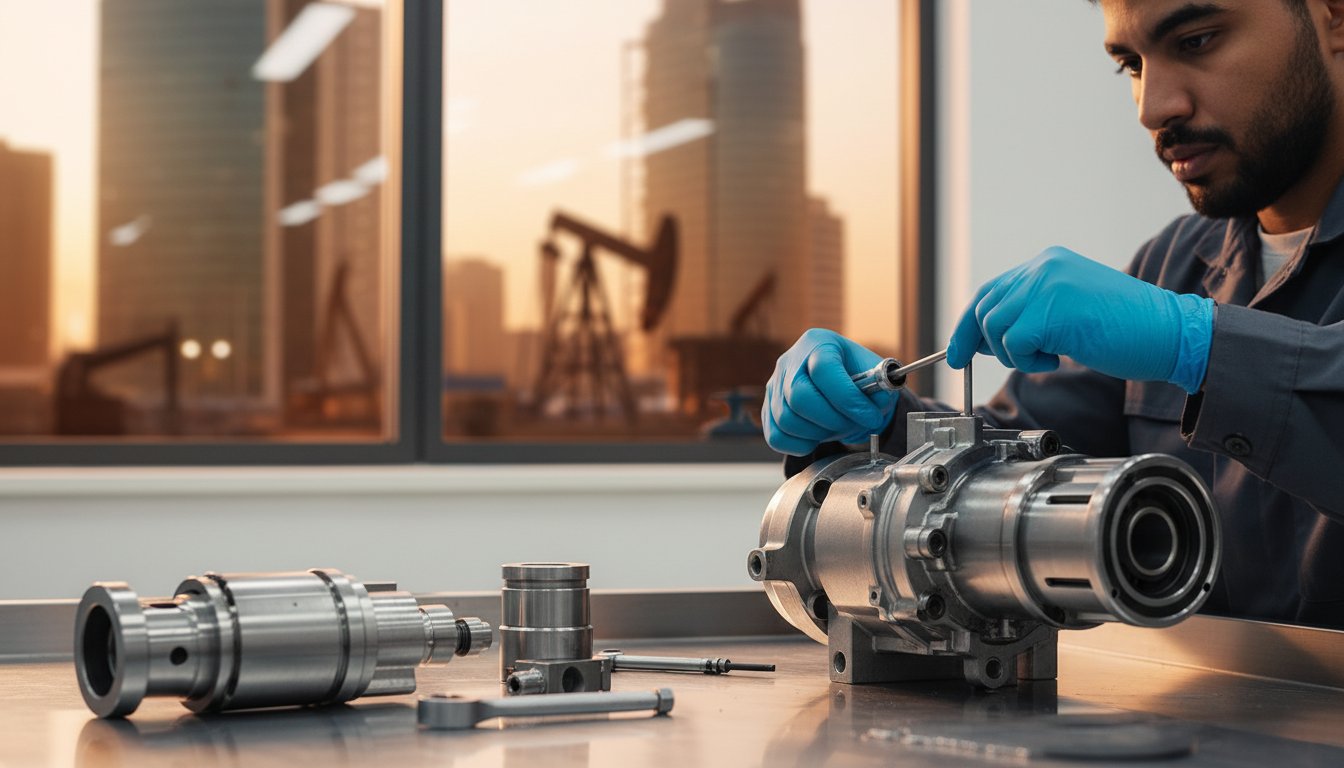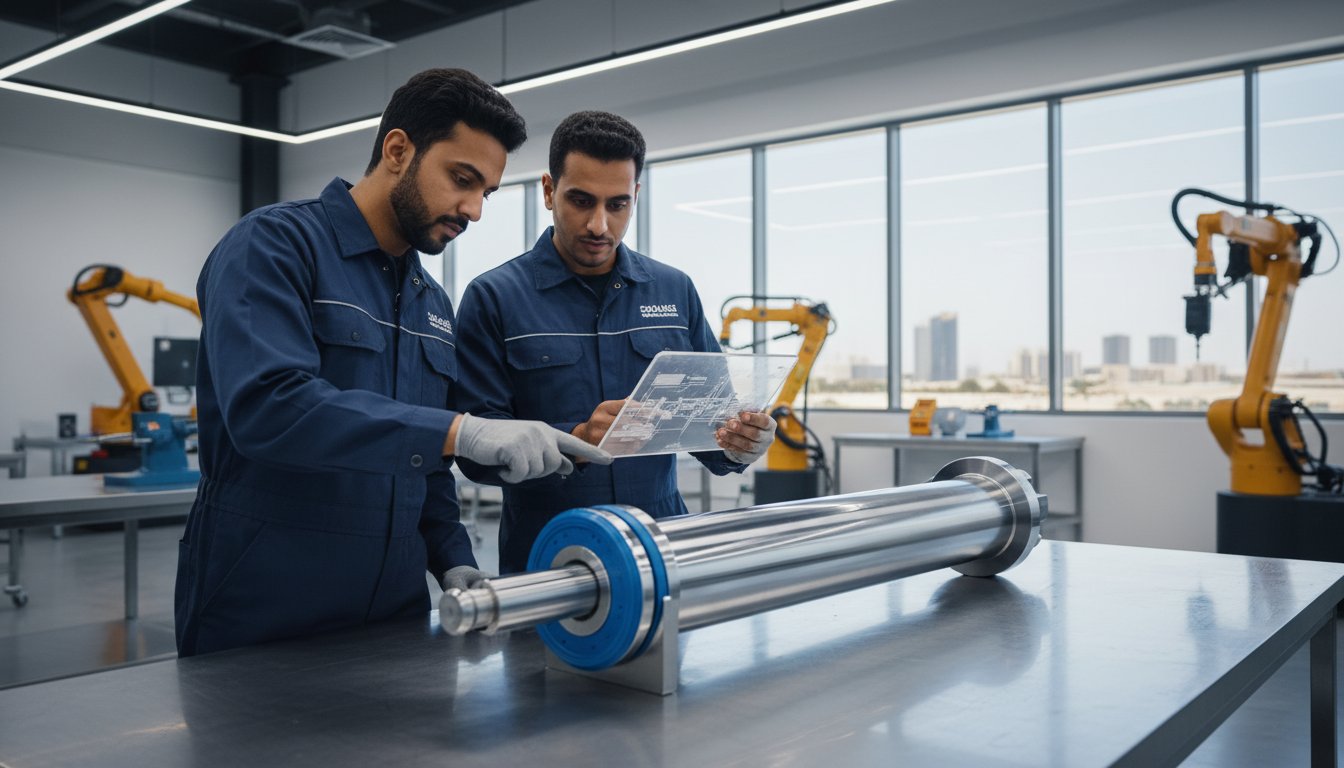
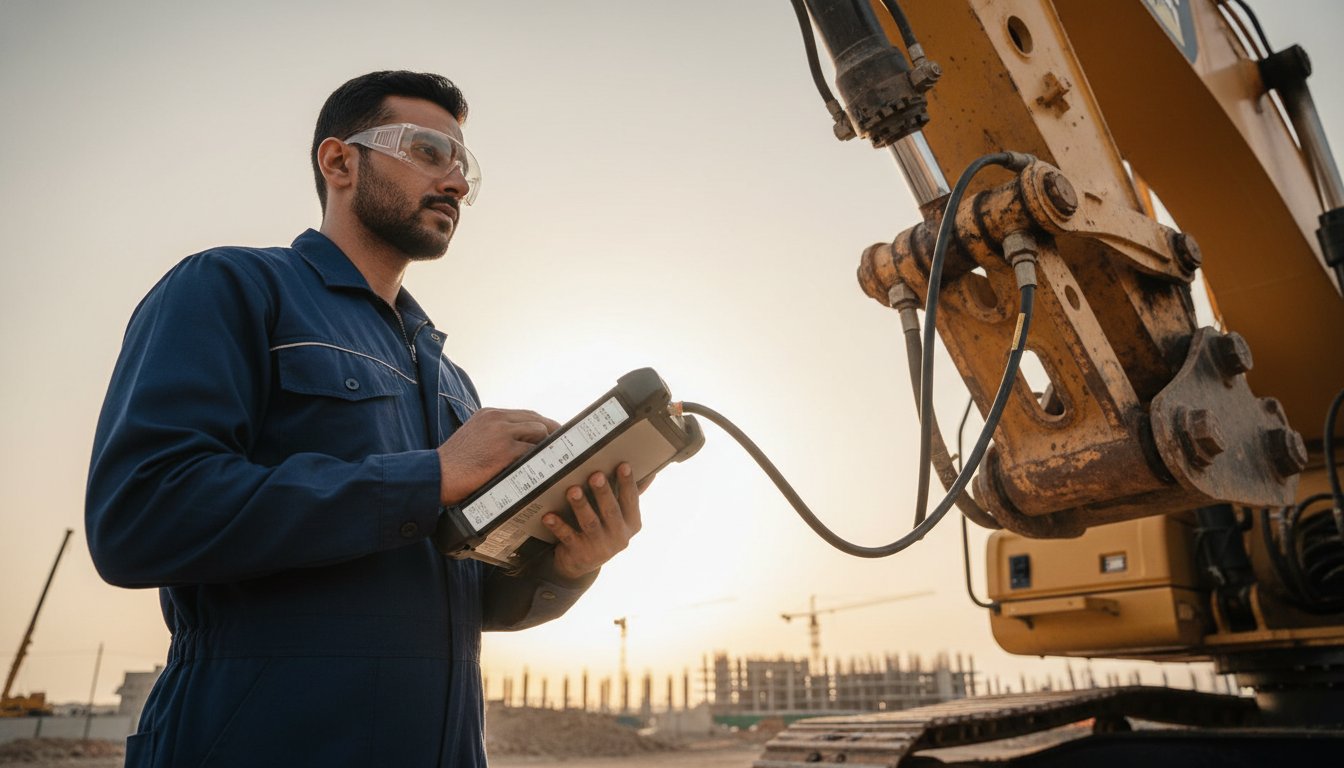
The sudden silence of a failed hydraulic system on a busy worksite is a sound no project manager wants to hear. Each moment your excavator, crane, or loader remains idle translates directly into lost revenue, costing your operation thousands of Riyals per hour and threatening critical project deadlines. Finding a fast, reliable solution is paramount, but the search for technicians with specialized knowledge can be a significant challenge. This is where expert heavy equipment hydraulic repair ksa services become essential, not just for a quick fix, but for a durable solution that prevents future failures.
This guide provides the critical information you need to take control of the situation. You will learn how to identify the early warning signs of hydraulic failure, understand the key differences between on-site and workshop repairs, and find a trusted, local KSA partner with the proven expertise to get your machinery back to peak performance. Our goal is to equip you with the knowledge to minimize costly downtime, secure a quality repair, and ensure your operations continue moving forward with confidence and reliability.
Key Takeaways
- Quickly identify critical hydraulic failure symptoms like slow operation, unusual noises, and fluid leaks to prevent catastrophic equipment damage.
- Learn the essential criteria for selecting a certified partner for heavy equipment hydraulic repair KSA, ensuring rapid response and guaranteed quality to minimize operational losses.
- Understand the key differences between on-site field repairs for immediate fixes and in-depth workshop overhauls for complete system restoration.
- Adopt proactive maintenance strategies to protect your investment, significantly reducing the risk of sudden hydraulic failures and costly emergency repairs.
Why Hydraulic Systems are Critical for Heavy Equipment in KSA
In the demanding industrial, construction, and oil and gas sectors of Saudi Arabia, heavy equipment is the engine of progress. At the heart of this machinery lies the hydraulic system-a sophisticated network that converts fluid pressure into immense mechanical force. This technology is what allows a single operator to lift tonnes of material, dig through solid ground, and control massive machinery with precision. When these systems falter, the financial impact is immediate and severe, leading to costly downtime, project delays, and significant repair bills. Therefore, securing reliable heavy equipment hydraulic repair in KSA is not just a maintenance task; it is a critical business continuity strategy.
The Role of Hydraulics in Heavy Machinery
Hydraulic systems are the indispensable muscle behind the brute force of heavy equipment. Understanding the core hydraulic machinery principles reveals how these systems empower machinery to perform essential functions with unparalleled strength and control. Their applications are fundamental to daily operations:
- Lifting and Digging: The powerful movement of excavator booms, crane arms, and loader buckets is a direct result of hydraulic cylinders converting fluid pressure into linear force.
- Steering and Braking: In colossal machines like bulldozers and dump trucks, hydraulics provide the necessary force for responsive steering and reliable braking, ensuring both operational control and operator safety.
- Powering Attachments: Specialized tools such as hydraulic hammers, drills, and shears rely entirely on the hydraulic system of the host machine to deliver the focused power needed for demolition, quarrying, and recycling.
Common Causes of Hydraulic Failure in the KSA Climate
The operational environment in Saudi Arabia presents unique and severe challenges that accelerate wear on hydraulic components. Proactive maintenance and expert repair are essential to combat these aggressive conditions. Key causes of failure include:
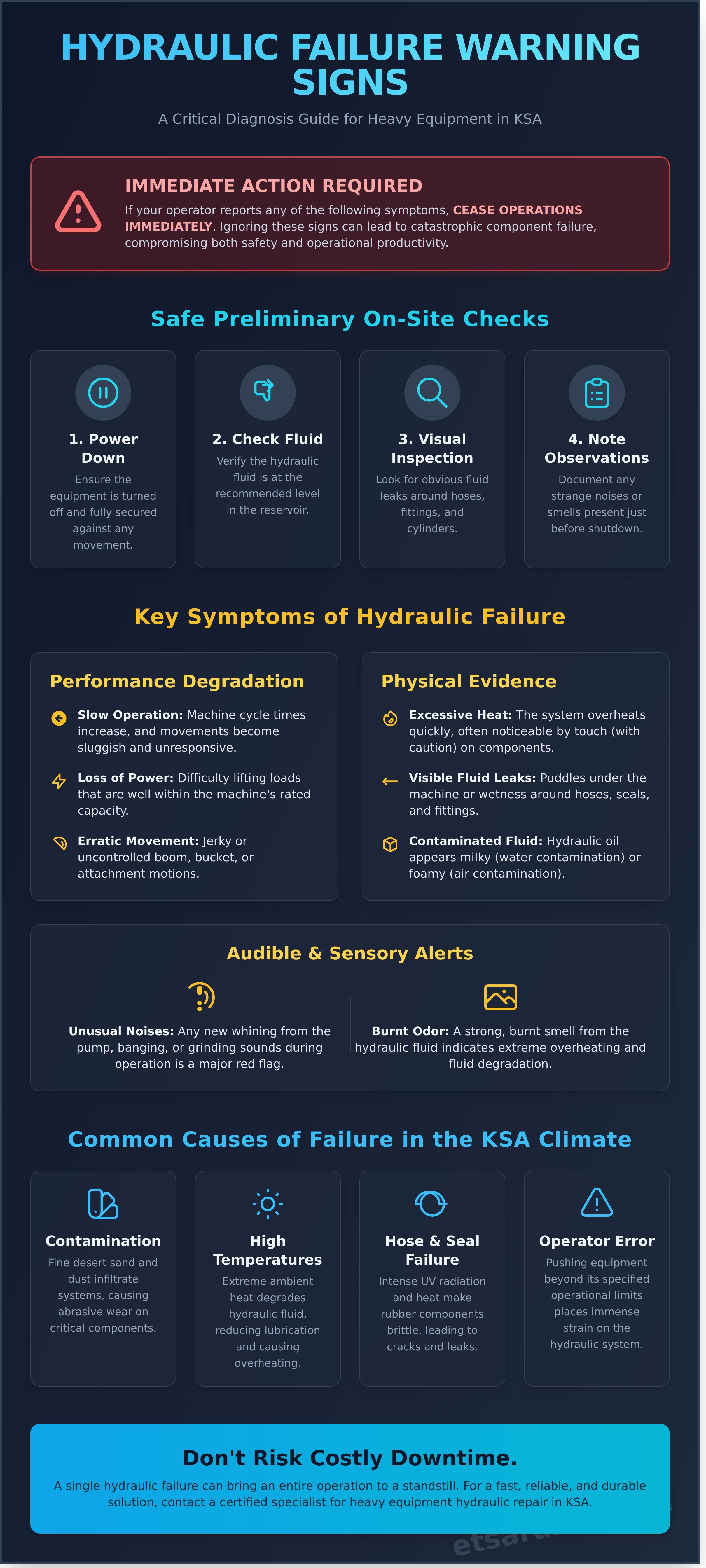
- Contamination: Fine desert sand and dust are the primary enemies of hydraulic systems. Ingress of these abrasive particles can score cylinders, clog filters, and cause catastrophic pump and valve failure.
- High Temperatures: The Kingdom's extreme ambient heat can cause hydraulic fluid to degrade rapidly, losing its viscosity and lubricating properties. This leads to overheating and premature component wear.
- Hose & Seal Failure: Intense UV radiation and constant high temperatures cause rubber hoses and seals to perish, becoming brittle and prone to cracking. This results in dangerous fluid leaks and pressure loss.
- Operator Error: Pushing equipment beyond its specified limits or improper operation can place immense strain on the hydraulic system, leading to premature failure and costly repairs.
A single hydraulic failure can bring an entire operation to a standstill, costing thousands of Saudi Riyals in lost productivity for every hour of downtime. This reality underscores the vital need for prompt, expert heavy equipment hydraulic repair in KSA to keep your projects on schedule and your assets protected.
Diagnosing Hydraulic Problems in Your Heavy Equipment: Common Symptoms
In Saudi Arabia's demanding industrial and construction sectors, operational downtime is not an option. The hydraulic system is the powerhouse of your heavy machinery, and recognizing early warning signs of failure is crucial to preventing catastrophic damage and costly project delays. If your operator reports any of the following symptoms, cease operations immediately and conduct a safe preliminary inspection. Ignoring these signs can lead to component failure, compromising both safety and productivity.
Before calling for technical assistance, your on-site staff can perform a few safe, initial checks. This basic assessment, a fundamental part of recognized hydraulic system maintenance standards, can provide valuable information for a faster diagnosis.
- Power Down: Ensure the equipment is turned off and secured against movement.
- Check Fluid Levels: Verify the hydraulic fluid is at the recommended level in the reservoir.
- Visual Inspection: Look for obvious fluid leaks around hoses, fittings, and cylinders.
- Note Observations: Document any strange noises or smells present just before shutdown.
Performance-Based Symptoms
These symptoms directly impact your machine's ability to perform its job and are often the first indication of a problem requiring professional heavy equipment hydraulic repair ksa services.
- Slow or Sluggish Operation: Hydraulic functions, like lifting a boom or rotating a turret, take noticeably longer than usual. This indicates a loss of flow, potentially from a worn pump or internal leaks.
- Loss of Power: The equipment struggles or is completely unable to lift loads it could previously handle with ease. This points to a significant loss of system pressure.
- Jerky or Erratic Movements: A lack of smooth, precise control over the machine's movements. This can be caused by air in the system or failing control valves, creating a serious safety hazard.
Sensory-Based Symptoms (Noise & Leaks)
Pay close attention to what you can see, hear, and smell. These sensory clues are direct messages from your hydraulic system that it needs immediate attention.
- Unusual Noises: A high-pitched whining sound often signals pump cavitation (fluid starvation), while banging or knocking can indicate aeration or failing components.
- Visible Fluid Leaks: Any leak, no matter how small, is a problem. It leads to fluid loss, allows contaminants to enter the system, and poses an environmental risk.
- Milky or Foamy Hydraulic Fluid: This is a critical sign of contamination. A milky appearance indicates water, while foam indicates air. Both severely degrade lubricant properties and will quickly destroy internal components.
Temperature-Based Symptoms
Excessive heat is the enemy of any hydraulic system. It breaks down fluid, damages seals, and accelerates wear on all components.
- Overheating System: If the hydraulic fluid temperature is abnormally high, the system is working too hard, likely due to restrictions, internal leaks, or an inefficient pump.
- Burnt Smell: A distinct burnt odor from the hydraulic fluid is a definitive sign that the fluid has degraded due to excessive heat and lost its protective properties.
Noticed these signs? Don't wait for a minor issue to become a major failure. Contact our experts for a rapid diagnosis.
The Heavy Equipment Hydraulic Repair Process: What to Expect
Understanding the process for heavy equipment hydraulic repair in KSA is key to managing your assets and minimizing costly downtime. At Emdad Technical Services, we believe in a transparent, methodical approach that ensures a reliable and lasting solution. Our process is designed for efficiency, whether we are performing a rapid on-site field repair to get you operational quickly or conducting a comprehensive workshop overhaul for a major component failure. You can expect clear communication and expert service at every stage.
Step 1: On-Site Inspection and Diagnostics
The repair journey begins with your service call. We gather critical information about the machine's symptoms to dispatch the right technician with the appropriate tools. Upon arrival at your site in Saudi Arabia, our team’s first priority is safety. Our technicians adhere to strict protocols, securing the area and following best practices in hydraulic equipment safety before any work commences. Using advanced diagnostic tools like digital pressure gauges, flow meters, and thermal imagers, we accurately pinpoint the root cause of the failure, preventing guesswork and repeat repairs.
Step 2: Component Repair or Replacement
Once diagnosed, we determine the most effective solution. For many issues, repairs can be made directly on-site. For more complex failures involving pumps, motors, or cylinders, the component is carefully removed and transported to our state-of-the-art workshop. There, it undergoes:
- Detailed Disassembly: A complete teardown and internal inspection to assess the full extent of the damage.
- Precision Services: Expert machining, honing, and resealing to restore components to OEM specifications.
- Quality Parts: We source and install high-quality OEM or equivalent spare parts to guarantee performance and reliability.
Step 3: System Reassembly, Testing, and Commissioning
The final phase focuses on restoring your equipment to peak operational condition. The repaired or new component is professionally re-installed into the machine. We then perform a complete hydraulic system flush to remove any contaminants that could cause future damage. The system is refilled with clean, manufacturer-recommended hydraulic fluid. Finally, we commission the equipment, testing it under operational load to verify that pressure, flow, and cycle times meet performance standards. This rigorous testing guarantees the repair is successful and your asset is ready for demanding work.
How to Choose the Right Hydraulic Repair Partner in Saudi Arabia
Selecting a provider for heavy equipment hydraulic repair in KSA is a critical decision that directly impacts your operational efficiency and profitability. The right partner acts as an extension of your team, working proactively to minimize downtime and extend the life of your valuable assets. The wrong choice can lead to repeat failures, extended delays, and significant financial loss. Use the following criteria to evaluate potential service providers and ensure you make a confident, informed decision.
Criterion 1: Specialized Expertise and Experience
General mechanical knowledge is not enough. Your high-value machinery requires technicians with specialized expertise in complex hydraulic systems. Look for a partner with a proven track record repairing your specific equipment brands, whether it's Caterpillar, Komatsu, Volvo, or others. Deep experience within Saudi Arabia's key industries, such as construction, oil & gas, and manufacturing, demonstrates an understanding of your unique operational challenges.
Questions to ask:
- What is your team's experience with our specific equipment models?
- Are your hydraulic technicians professionally trained and certified?
- Can you provide examples of your work with other companies in our industry?
Criterion 2: Workshop Capabilities and Parts Availability
A premier repair service is backed by a state-of-the-art workshop. Inquire about their facilities, specifically looking for in-house capabilities like diagnostic tools, precision machining, and hydraulic component testing benches. A comprehensive inventory of critical spare parts is equally important, as it eliminates lengthy delays while waiting for components to be shipped. This combination of advanced tools and ready parts is essential for fast, reliable turnarounds.
Criterion 3: Responsiveness and On-Site Support
Hydraulic failures are almost always urgent. Your chosen partner must demonstrate a commitment to rapid response across your areas of operation in the Kingdom. Evaluate their on-site service capabilities, including the availability of fully-equipped mobile service vehicles and their average response time for emergency call-outs. For critical operations, 24/7 support is non-negotiable to resolve issues and get your equipment back to work with minimal interruption.
Criterion 4: Quality Assurance and Warranty
A confident and capable repair provider will always stand behind their workmanship. Ask for clear details on the warranty they offer for both parts and labor. A strong warranty is a direct indicator of the quality you can expect. Furthermore, a reputable company should be able to provide client testimonials or case studies that validate their claims of quality and reliability. This proof of performance is your best assurance of a successful partnership.
See why companies across KSA trust ETS for reliable repairs.
Preventative Maintenance: Avoiding Costly Hydraulic Failures
In the demanding industrial landscape of Saudi Arabia, a reactive approach to hydraulic system health is a direct path to costly downtime and major operational disruptions. Shifting to a proactive maintenance strategy is the single most effective way to ensure reliability and protect your investment. A catastrophic pump failure can easily result in repair bills exceeding 50,000 SAR, not including the immense cost of lost productivity. A small, consistent investment in preventative care, however, can eliminate these risks and optimize the performance of your machinery.
The Daily Operator Checklist
Your equipment operators are the first line of defense. Empowering them with a simple daily checklist can catch minor issues before they escalate into major failures. Key daily checks should include:
- Visual Walk-around: Meticulously check for any signs of hydraulic fluid leaks on hoses, fittings, and cylinders. A small drip is an early warning sign.
- Fluid Level & Clarity: Ensure the hydraulic fluid is at the correct level. Check for a milky (water contamination) or dark, burnt appearance, which indicates fluid degradation.
- Listen for Unusual Sounds: A whining or grinding sound from the hydraulic pump upon startup or during operation often signals aeration, cavitation, or imminent component failure.
Scheduled Maintenance Tasks
Beyond daily checks, a structured maintenance schedule based on OEM recommendations is critical for long-term hydraulic health. These tasks are fundamental to preventing the need for emergency heavy equipment hydraulic repair in KSA. This includes regular hydraulic fluid and filter changes to remove contaminants, periodic fluid analysis to diagnose the internal health of the system, and detailed inspection of all hoses for cracks, abrasions, or bulging that precede a burst.
Benefits of a Maintenance Partnership with ETS
Partnering with Emdad Technical Services transforms your maintenance from a routine task into a strategic advantage. Our expert technicians provide scheduled, in-depth inspections designed to identify underlying issues that operators might miss. This proactive approach allows for the planned replacement of wearing components before they fail catastrophically, saving you from unscheduled downtime and extensive system damage. A formal maintenance partnership not only maximizes your equipment's lifespan and operational availability but also significantly enhances its resale value. Protect your assets and ensure operational continuity by partnering with ETS for your maintenance needs.
Your Partner in Maximizing Uptime and Performance in Saudi Arabia
In the demanding industrial landscape of Saudi Arabia, hydraulic system failure is not just an inconvenience-it's a direct threat to your project timelines and profitability. As we've explored, understanding common symptoms, embracing preventative maintenance, and selecting a qualified partner are the cornerstones of minimizing costly operational disruptions. Your equipment's performance and your bottom line depend on the reliability of these critical systems.
When unexpected breakdowns occur, you need more than just a quick fix; you need a strategic partner for heavy equipment hydraulic repair ksa who can deliver swift, precise, and lasting solutions. Don't let downtime dictate your success. At Emdad Technical Services (ETS), we are committed to restoring your operational efficiency with unparalleled speed and expertise.
With our 24/7 emergency on-site support, a state-of-the-art workshop in Dammam, and an extensive inventory of OEM-quality hydraulic parts, we are equipped to handle any challenge. Protect your investment and keep your projects moving forward. Take control of your equipment's health today. Request an Urgent Repair Quote to Minimize Your Downtime and experience the ETS difference.
Frequently Asked Questions
How much does heavy equipment hydraulic repair cost in Saudi Arabia?
The cost for heavy equipment hydraulic repair in KSA varies based on the issue's complexity, required parts, and whether the service is on-site or in our workshop. A minor repair like a hose replacement may cost from 500 SAR, while a comprehensive hydraulic cylinder reseal could range from 2,000 to 7,000 SAR. For major component overhauls, such as a pump or motor rebuild, costs can exceed 25,000 SAR. We provide a detailed, transparent quotation after a thorough diagnostic assessment.
How long will my equipment be down for a typical hydraulic repair?
Our primary goal is to minimize your operational downtime. Simple on-site repairs, such as replacing a hydraulic hose or fitting, can often be completed within a few hours. More complex workshop repairs, like a full cylinder rebuild or pump overhaul, typically take between 2 to 5 working days. This timeline depends on the extent of the damage and the immediate availability of specific components. We prioritize efficient diagnostics and a streamlined workflow to return your equipment to service as promptly as possible.
Can you perform emergency hydraulic repairs on my construction site?
Yes, providing rapid, on-site emergency service is a core part of our commitment to clients. Our mobile service vehicles are fully equipped with advanced diagnostic tools and a wide inventory of common parts to perform urgent heavy equipment hydraulic repair in KSA. Our expert technicians are available to be dispatched to your location, whether it's a remote construction site or an industrial facility, to diagnose and resolve hydraulic failures efficiently, saving you critical time and transport costs.
Do you service specific heavy equipment brands like Caterpillar, Volvo, or Komatsu?
Absolutely. Our certified technicians possess extensive experience and undergo continuous training to service all major heavy equipment brands, including Caterpillar, Komatsu, Volvo, JCB, Liebherr, and Hitachi. We have access to OEM-spec and high-quality aftermarket parts for a vast range of machinery. Our expertise ensures that regardless of the manufacturer, your equipment receives a reliable, high-quality repair that adheres to the strictest industry standards for performance and safety.
Is it better to repair a hydraulic cylinder or replace it entirely?
The decision to repair or replace a hydraulic cylinder depends on a thorough cost-benefit analysis. Repair is often the more economical and faster solution for issues like worn seals, minor rod scratches, or gland damage. However, if the cylinder barrel is severely scored, the rod is bent, or there is catastrophic structural damage, a complete replacement may be more reliable and cost-effective in the long term. Our experts will provide a clear recommendation after a detailed inspection.
What kind of warranty do you provide on your hydraulic repair services?
We stand confidently behind the quality of our workmanship and the components we use. All our hydraulic repair services come with a comprehensive warranty, typically ranging from 6 to 12 months on both parts and labour. This guarantee provides you with peace of mind and assures you of the long-term reliability of our work. The specific warranty terms will be clearly outlined in your service agreement, ensuring complete transparency and protecting your investment.