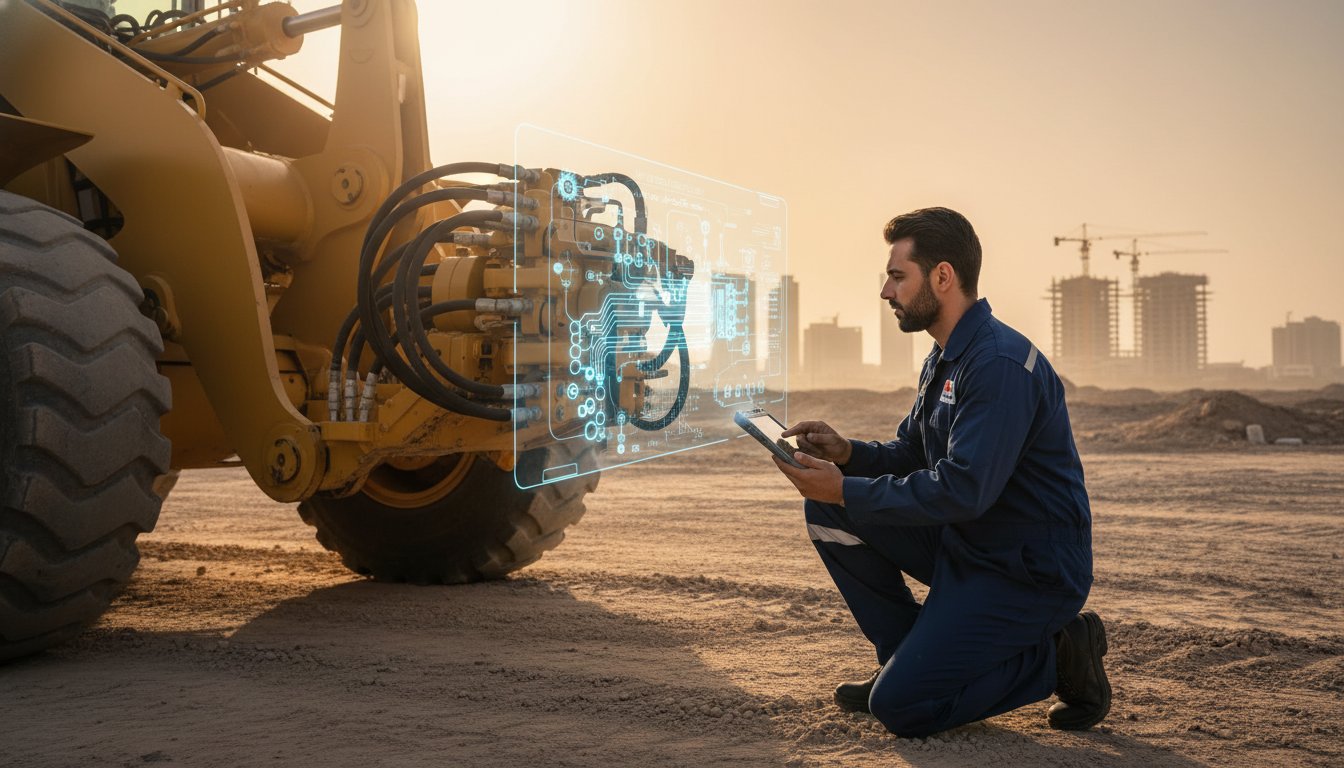
Your industrial operations demand precision, but a standard hydraulic power unit often falls short. When off-the-shelf solutions fail to meet your specific performance requirements, fit within your spatial constraints, or withstand the demanding conditions of Saudi Arabia's industrial sector, the risk of underperformance and costly failure is high. This is where the strategic advantage of expert custom hpu design becomes essential. It’s not simply about building a power unit; it’s about engineering a guaranteed, reliable solution that protects your operations from the immense cost of downtime.
In this comprehensive guide, we demystify the end-to-end process for creating a bespoke hydraulic power unit engineered for your exact application. We will walk you through every critical stage, from initial consultation and technical specification to fabrication, rigorous testing, and final commissioning. By reading on, you will gain the expert knowledge needed to secure a high-performance HPU that integrates seamlessly, delivers maximum efficiency, and ensures the long-term reliability your critical operations depend on.
Why Standard HPUs Fail and When to Choose a Custom Design
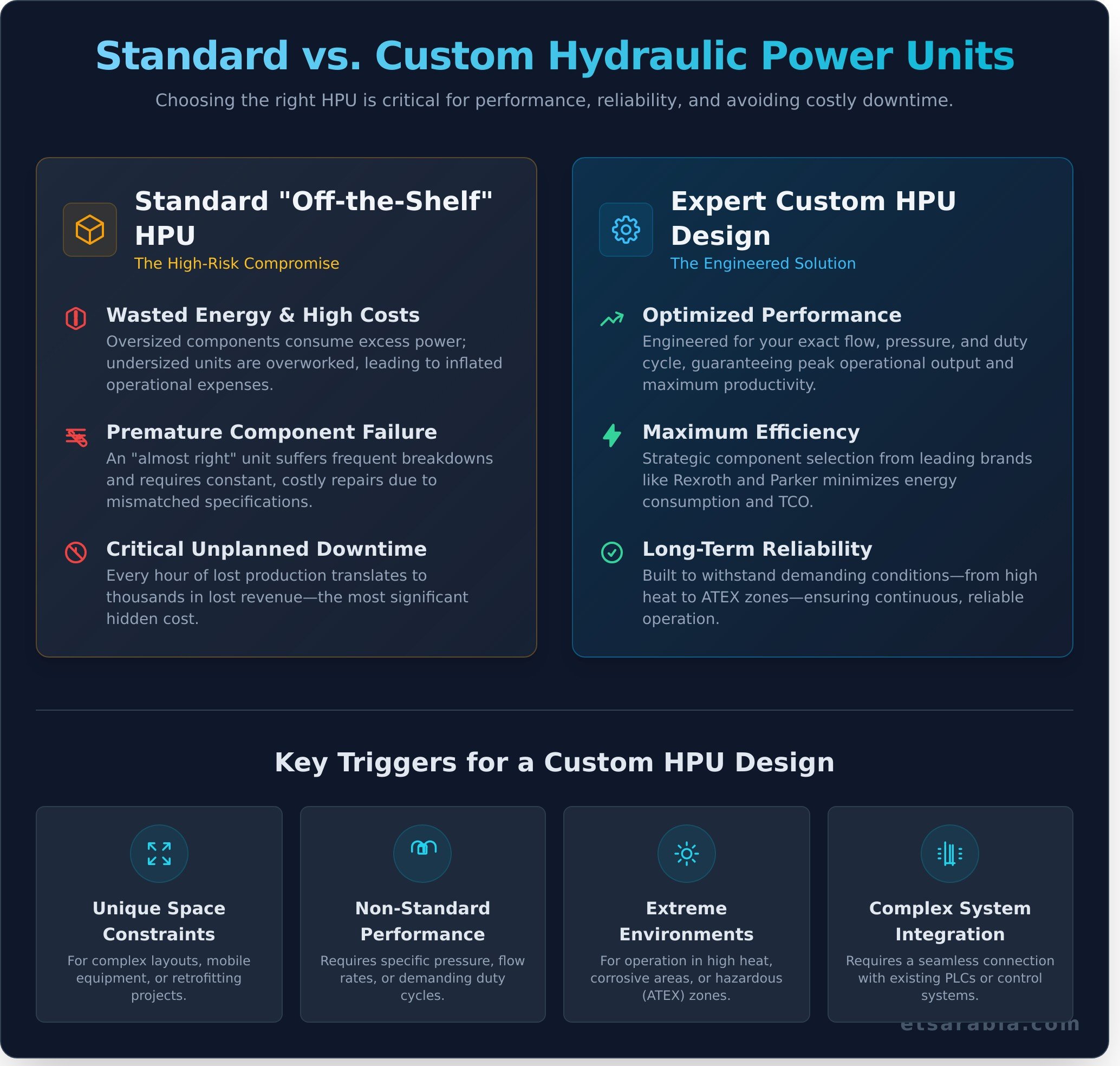
A Hydraulic Power Unit (HPU) is the core of any hydraulic system, responsible for converting mechanical power into controlled hydraulic energy. While standard, off-the-shelf HPUs serve general purposes, they frequently fall short in the demanding industrial environments of Saudi Arabia. An improperly specified unit is not just a minor inconvenience; it is a direct path to operational inefficiency, frequent breakdowns, and costly interruptions that impact your bottom line. Opting for a custom hpu design is the definitive solution when standard specifications cannot guarantee the reliability and performance your operations demand.
The Anatomy of a High-Performance HPU
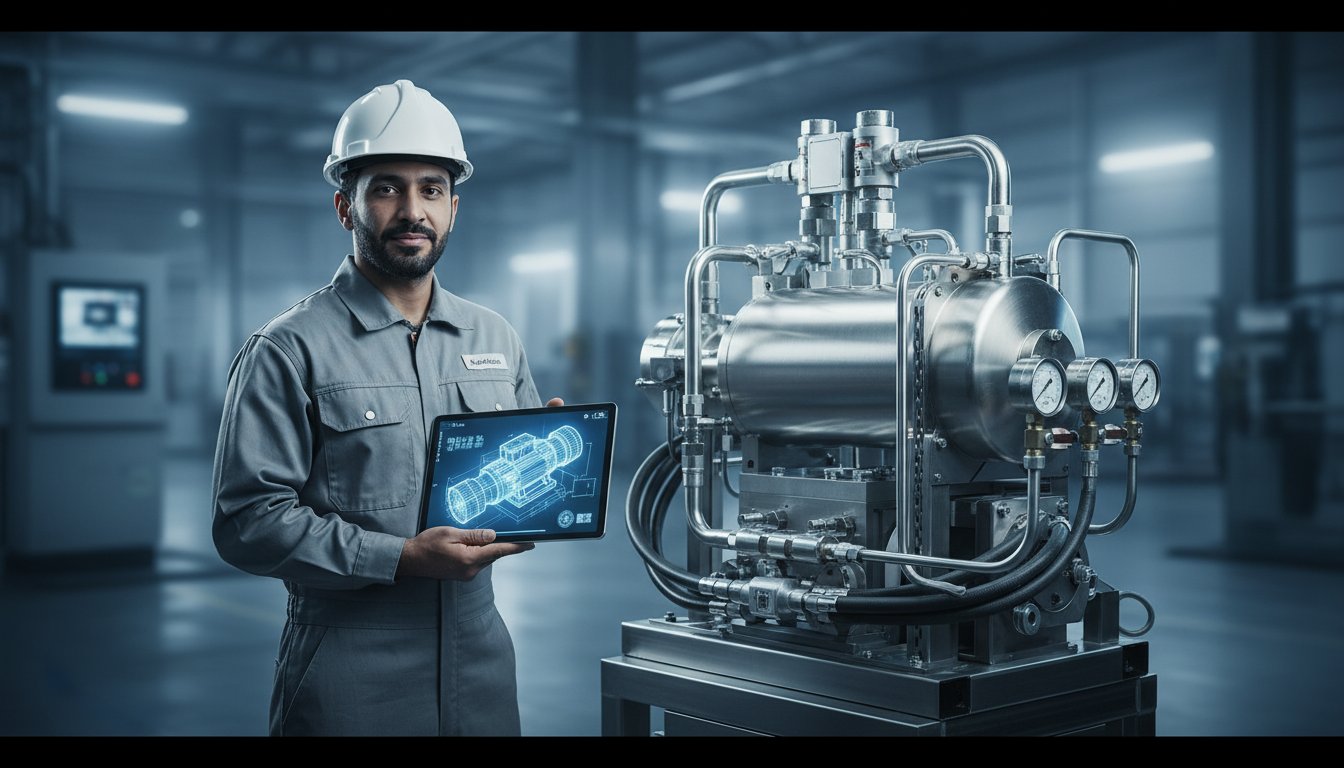
At its heart, every HPU consists of a motor, a hydraulic pump, a reservoir to hold the fluid, and valves to direct its flow. However, true performance is determined by its integrated support systems, including filtration to protect components, cooling systems to manage heat, and controls for precise operation. Understanding how these elements interact is governed by foundational Hydraulic machinery principles, and ensuring they are perfectly matched to your application is the first step toward reliability.
Key Triggers for a Custom HPU Requirement
A pre-built HPU is unlikely to be the right fit when your operation involves unique challenges. The decision to invest in a custom unit is often triggered by specific, non-negotiable requirements that standard models cannot meet. Key indicators include:
- Unique Space Constraints: The HPU must fit within a specific footprint or complex layout, common in retrofitting projects or on mobile equipment.
- Non-Standard Performance: Your application requires precise pressure, specific flow rates, or demanding duty cycles that off-the-shelf units do not offer.
- Extreme Environments: The unit must operate reliably in high-heat conditions typical of the Saudi climate, corrosive areas, or hazardous (ATEX) zones.
- Complex System Integration: A seamless connection with your existing PLC or sophisticated control architecture is necessary for automated and efficient operation.
The Hidden Costs of an 'Almost Right' Standard Unit
Settling for a standard HPU that is "close enough" introduces significant hidden costs. An oversized motor and pump will waste energy, inflating your operational expenses. Conversely, an undersized unit will be overworked, leading to premature component failure and frequent repairs. The most significant cost, however, is unplanned downtime. In a high-stakes industrial setting, every hour of lost production can translate to tens of thousands of Saudi Riyals (SAR) in lost revenue. A precision-engineered custom hpu design eliminates these risks by ensuring every component is optimized for efficiency, longevity, and peak performance.
The ETS Collaborative Design Process: From Concept to Blueprint
At Emdad Technical Services, we believe a successful custom hpu design is not a simple transaction but a strategic partnership. Our process is engineered to translate your specific operational challenges into a precision-built hydraulic power unit that delivers reliable, long-term performance. We move beyond standard specifications to build a solution that integrates seamlessly into your workflow, optimizing productivity and minimizing downtime. This methodical, four-step approach ensures complete alignment and guarantees the final product meets your exact requirements.
Step 1: In-Depth Consultation and Application Analysis
Our process begins with a comprehensive consultation to define the project's scope and objectives. Our expert engineers work directly with your team to understand the application's unique demands. We gather critical data to form the foundation of the design, including:
- Required flow (LPM) and pressure (bar)
- System duty cycle and expected operational hours
- Operating environment (temperature, dust, hazardous location ratings)
- Fluid type and filtration requirements
- Existing system integration points and physical space constraints
This deep analysis ensures our solution addresses not just the specifications, but also the real-world challenges you face in your Saudi Arabian facility.
Step 2: Strategic Component Selection and Sourcing
With a clear understanding of your needs, we select and source the ideal components. This critical step directly impacts the HPU's efficiency, reliability, and service life. We leverage our strong partnerships with industry-leading manufacturers like Rexroth, Parker, and Eaton to procure high-quality pumps, motors, valves, and filtration systems. Our selection is meticulously balanced to optimize performance while considering factors like energy consumption, maintenance accessibility, and total cost of ownership.
Step 3: Detailed Schematic Design and 3D Modeling
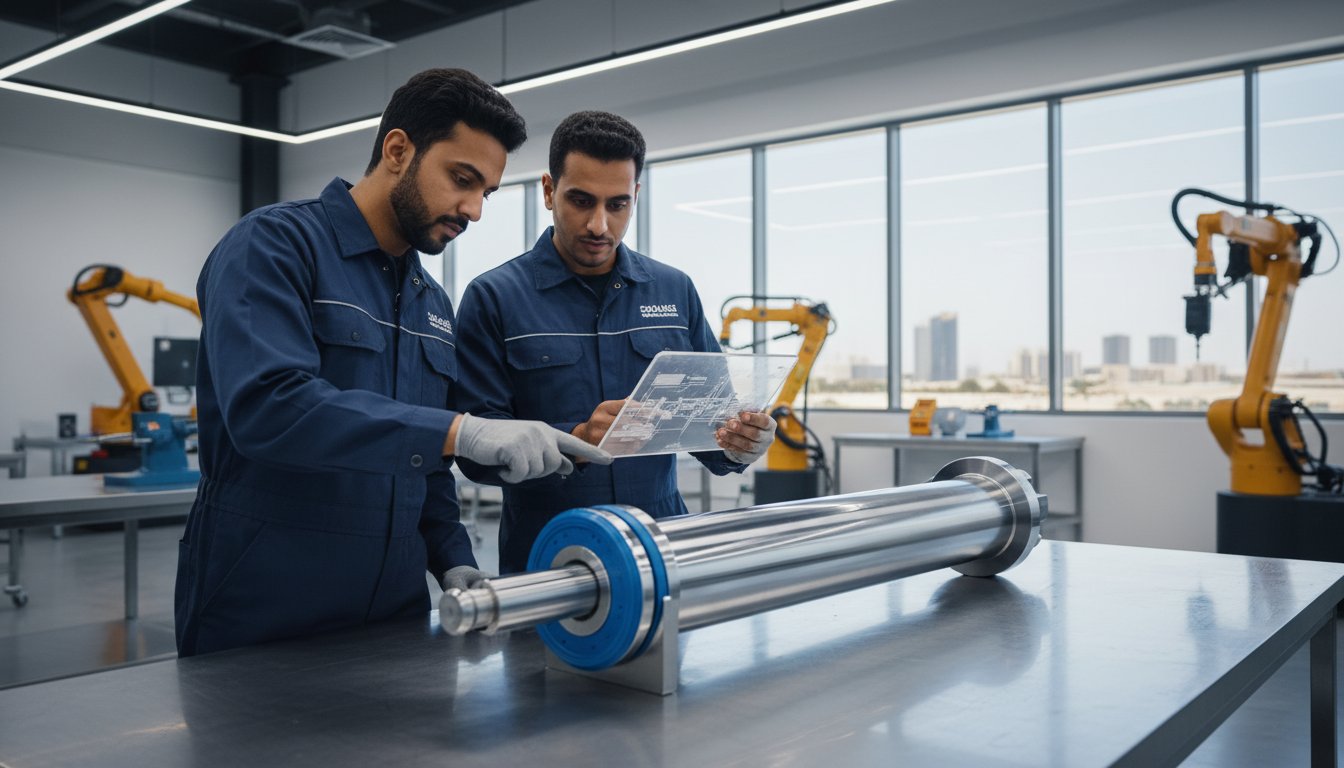
Our engineering team translates the component list and operational logic into a detailed hydraulic circuit schematic. This blueprint outlines every connection, valve function, and safety feature, following best practices like those detailed in the U.S. Air Force's Hydraulic Systems Handbook for mission-critical systems. We then create a detailed 3D model of the complete HPU assembly. This visualization allows us to verify the layout, confirm service access points, and ensure a perfect fit within your designated footprint, preventing costly on-site modifications.
Step 4: Joint Design Review and Client Approval
Collaboration is key to success. Before any fabrication begins, we conduct a joint design review with your team. This is your opportunity to examine the schematics and 3D models, ask questions, and request modifications. This final checkpoint in our collaborative custom hpu design process ensures complete alignment and provides you with full confidence in the solution. Manufacturing only commences upon receiving your formal sign-off, eliminating post-delivery surprises and guaranteeing the HPU we build is the HPU you expect.
Critical Design Factors for Industrial HPUs in Saudi Arabia
Operating industrial machinery in Saudi Arabia presents a unique set of challenges, from scorching ambient temperatures to pervasive dust. A standard, off-the-shelf Hydraulic Power Unit (HPU) is rarely sufficient. At ETS, our approach to custom hpu design is rooted in a deep understanding of these local conditions, ensuring your system delivers reliable performance and maximum uptime, not costly interruptions.
Engineering for Extreme Heat and Dust
To combat the harsh KSA climate, we prioritize robust thermal management and contamination control. This includes selecting oversized air/oil or water-based cooling systems to maintain optimal fluid viscosity. Our designs incorporate multi-stage filtration, sealed reservoirs, and NEMA-rated enclosures to prevent the ingress of sand and dust, which are primary causes of premature component failure and system degradation.
Ensuring Safety and Regulatory Compliance
Operational safety is non-negotiable. Every ETS custom HPU is engineered with critical safety features, including relief valves, pressure transducers, emergency stops, and accumulator safety blocks. Our design process adheres to stringent industry standards for oil & gas and manufacturing, aligning with best practices outlined in authoritative guides like the Hydraulic Design Handbook to guarantee a system that is not only powerful but also fundamentally safe for your personnel and facility.
Optimizing for Energy Efficiency and Control
Long-term operational cost is a key consideration in every custom hpu design. By utilizing technologies like variable displacement pumps and load-sensing controls, we ensure the HPU only consumes the energy required for the immediate task. Integrating smart PLC controls allows for real-time performance monitoring and diagnostics, further enhancing efficiency and predictability. This intelligent design translates directly into significant long-term savings on your energy expenditure in SAR.
By engineering for these critical factors, ETS delivers hydraulic solutions that are not just built to work, but built to last in the demanding Saudi industrial landscape. Partner with ETS to engineer a system that guarantees reliability and optimizes your operational efficiency.
Beyond the Blueprint: Fabrication, Testing, and Commissioning
A superior custom hpu design is only as effective as its execution. At ETS, the transition from detailed engineering drawings to a fully functional hydraulic power unit is a process defined by precision, quality control, and an unwavering commitment to performance. We manage every stage in-house at our facilities in Saudi Arabia, ensuring the final product not only meets but exceeds your operational requirements.
Precision Fabrication and Meticulous Assembly
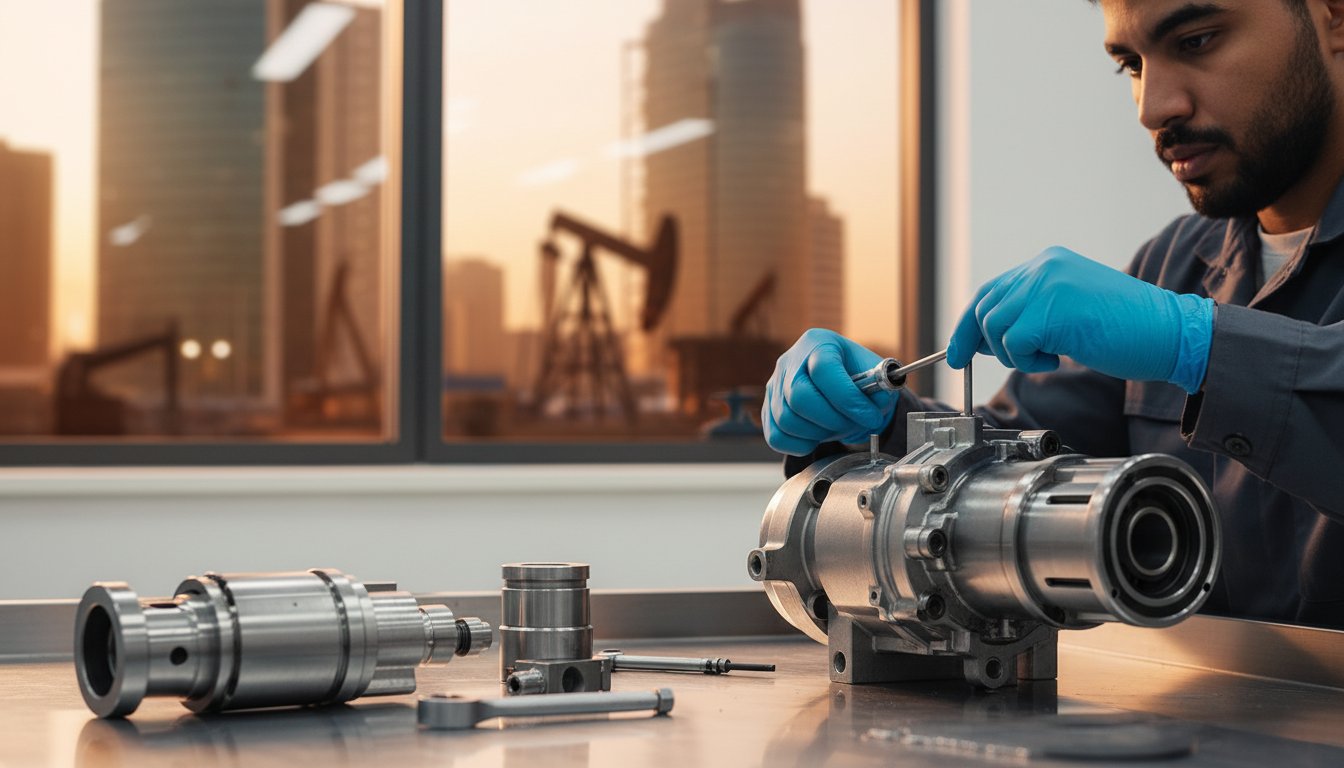
Our expert fabricators transform raw materials into the robust core of your HPU. This begins with the structural frame, custom reservoir, and precision-machined manifold blocks. Our certified welders and technicians execute intricate pipe and tube bending, creating leak-proof connections critical for system integrity and safety. Every component is then assembled in a controlled, clean environment to prevent contamination-the leading cause of premature hydraulic system failure.
Rigorous Factory Acceptance Testing (FAT)
Before any HPU is dispatched, it undergoes a comprehensive Factory Acceptance Test (FAT) protocol to guarantee reliable performance upon delivery. This is not a mere spot-check; it is a systematic validation of the entire unit. Our standard testing includes:
- Pressure Testing: All hydraulic lines and components are tested well beyond their rated working pressures to ensure absolute structural integrity and safety.
- Functional and Electrical Checks: We verify the correct operation of every valve, pump, motor, and control system component according to the design schematic.
- Flow and Performance Tests: The HPU is run to simulate operational loads, confirming that flow rates and system responses meet your exact performance specifications.
- Fluid Cleanliness Analysis: We analyze the hydraulic fluid to certify it meets stringent ISO 4406 cleanliness standards, maximizing component life and minimizing operational downtime.
On-Site Installation, Commissioning, and Training
Our commitment extends beyond our factory doors. ETS provides end-to-end service, with our experienced technicians available to supervise on-site installation and commissioning across Saudi Arabia. We ensure your new HPU integrates seamlessly with your existing machinery and control systems. To empower your team, we also offer operator training to promote safe, efficient, and proper use of the equipment. Our comprehensive approach to custom hpu design and execution ensures your system delivers from day one. Ready to start your project? Request a consultation with our engineers.
Your Partner in Custom HPU Design and Reliability
In the demanding industrial landscape of Saudi Arabia, standard hydraulic power units often fall short, leading to costly downtime and inefficiency. The path to peak performance is not found in an off-the-shelf product, but through a purpose-built solution. A collaborative and meticulous custom hpu design process-from initial concept and blueprint to expert fabrication and on-site commissioning-is the only way to guarantee the robust reliability your critical operations depend on.
At ETS, our in-house engineering team leverages extensive industry experience to manage this entire process, with a proven track record in Saudi Arabia's key sectors like Oil & Gas. We provide the end-to-end project management you can trust to enhance operational efficiency. Ready to build a system engineered for your specific needs? Discuss Your Custom HPU Design with an ETS Expert Today and let's engineer a solution that keeps your operations moving forward.
Frequently Asked Questions About Custom HPU Design
How long does the custom HPU design and manufacturing process typically take?
The timeline for a custom HPU project varies based on complexity, component availability, and required certifications. A straightforward design may take 4-6 weeks from consultation to delivery. More complex systems, especially those requiring specialized components or extensive testing for demanding applications, can extend to 12-16 weeks. At ETS, we prioritize efficient project management to minimize your downtime and ensure a prompt, reliable delivery schedule, keeping you informed at every stage.
What specific information do I need to provide to get an accurate quote for a custom HPU?
To provide a precise and reliable quote, our engineers require key operational parameters. Please provide the required system pressure (in bar or psi), flow rate (in LPM or GPM), reservoir capacity, and the type of fluid to be used. Additionally, details about the operating environment (e.g., temperature, hazardous classification), electrical requirements (voltage, phase), and the specific application or machinery it will power are essential for an accurate proposal and an efficient design process.
Can you design an HPU that uses components from a specific brand we prefer?
Absolutely. We understand that many facilities in Saudi Arabia standardize on specific component manufacturers for streamlined maintenance and inventory. Our engineers are highly experienced in integrating components from all major brands, including Parker, Bosch Rexroth, and Eaton. Simply specify your preferred brands during the initial consultation, and we will incorporate them into the design to ensure seamless integration with your existing systems and maintenance protocols, guaranteeing reliable performance.
Do you offer after-sales support and maintenance services for the custom HPUs you build?
Our commitment to your operational success extends far beyond delivery. ETS provides comprehensive after-sales support, including on-site installation, commissioning, and operator training. We also offer scheduled preventive maintenance programs and prompt emergency repair services across Saudi Arabia to ensure your system delivers reliable, long-term performance and minimizes any potential for costly operational downtime. We are your long-term hydraulic solutions partner.
Can ETS design and build HPUs suitable for hazardous (ATEX) environments?
Yes, ETS possesses the certified expertise to engineer and fabricate Hydraulic Power Units for hazardous locations, fully compliant with ATEX and relevant SASO standards. Our custom hpu design process for these environments includes specifying explosion-proof motors, certified enclosures, and intrinsically safe instrumentation. We ensure every component meets the stringent safety requirements for oil & gas and petrochemical industries, guaranteeing safe and reliable operation in challenging conditions.
What is the typical cost difference between a standard HPU and a custom-designed unit?
A custom-designed HPU typically costs 20% to 50% more than a standard unit, with the final price in Saudi Riyal (SAR) depending on complexity and component specifications. While the initial investment is higher, the long-term value is significant. A custom solution is engineered for optimal efficiency and enhanced reliability for your specific application. This tailored approach reduces energy consumption and maintenance costs, delivering a superior return on investment over the unit's lifespan.