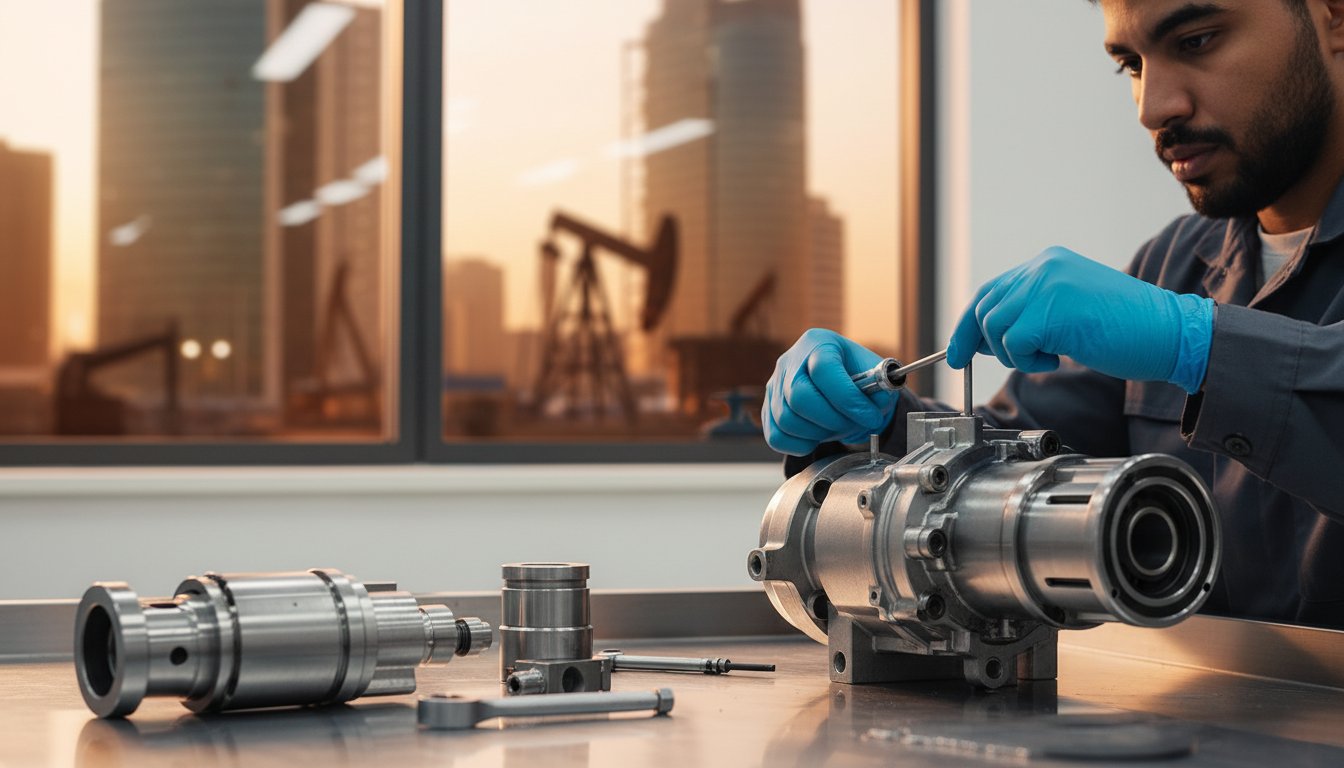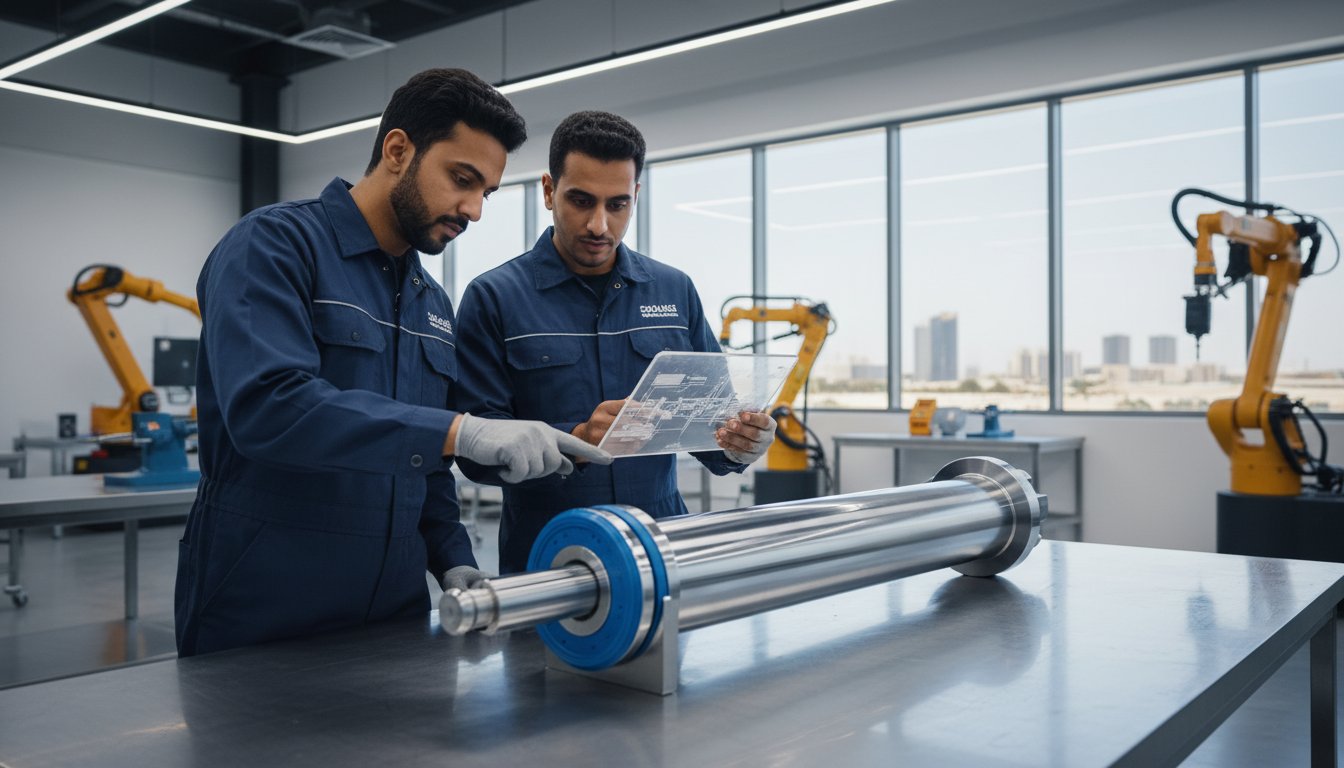

Frequent equipment breakdowns and unexpected downtime can cost your Saudi Arabian operation thousands of Riyals in lost productivity. Often, the root cause is an overlooked yet critical component: the lubrication system. Choosing the wrong solution or partner leads to recurring problems and escalating costs, which is why selecting the right industrial lubrication systems supplier is not just a procurement decision-it is a strategic investment in your operational reliability. A true partner provides the technical guidance needed to protect your high-value assets, not just sell parts.
This guide is engineered to provide a clear, methodical approach to that investment. You will learn how to identify the optimal lubrication system for your specific machinery and the critical criteria for selecting a supplier in Saudi Arabia. Our goal is to empower you to find a long-term technical partner committed to enhancing equipment life, eliminating costly downtime, and ensuring your operations move forward with maximum efficiency and safety.
Key Takeaways
- View lubrication as a core reliability strategy, not just a maintenance task, to significantly reduce friction, manage heat, and prevent corrosion in your critical assets.
- Gain a clear framework for choosing between manual and automated lubrication systems based on your specific application, budget, and operational goals.
- Learn the critical criteria for selecting a reliable industrial lubrication systems supplier in Saudi Arabia, focusing on technical expertise and local after-sales support over just product price.
- Equip yourself with the knowledge to make an informed investment that enhances equipment lifespan, minimizes unexpected downtime, and optimizes your maintenance budget.
The Critical Role of Lubrication Systems in Modern Industry
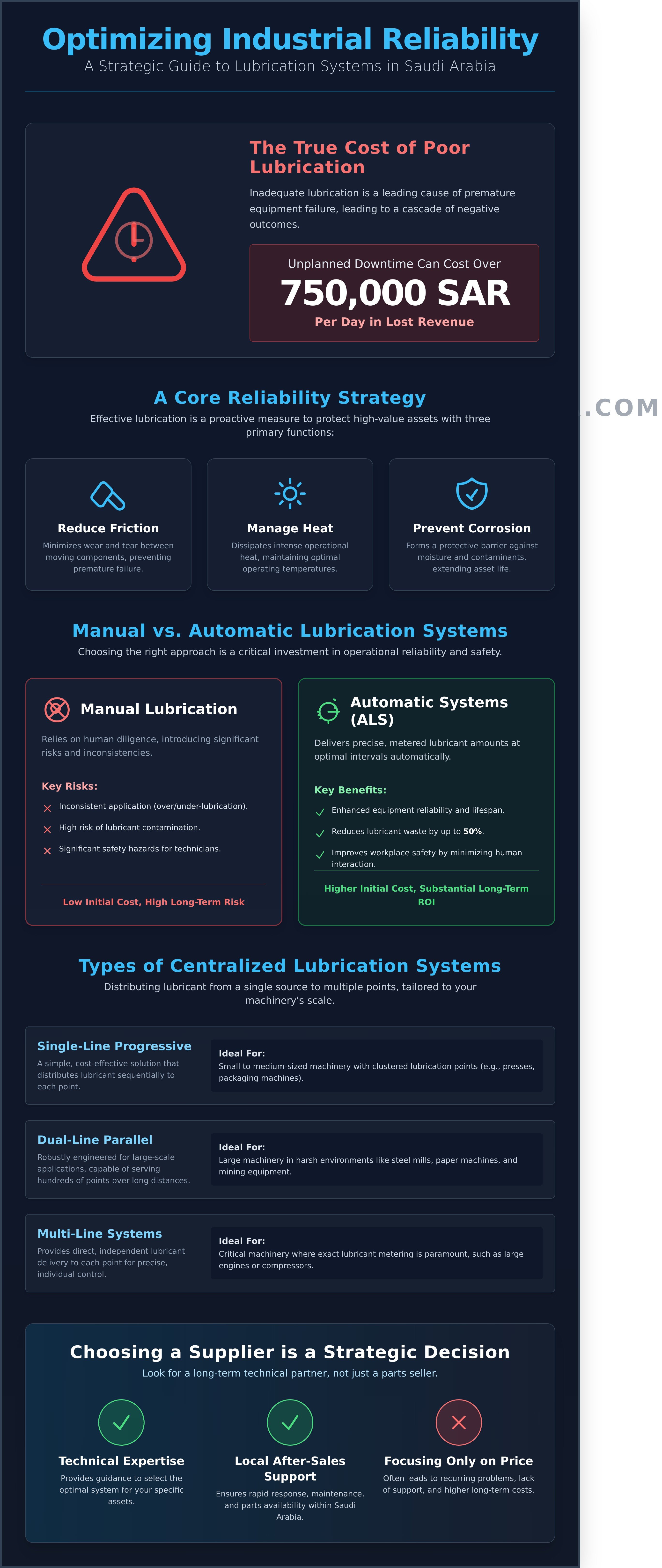
In the high-stakes industrial landscape of Saudi Arabia, equipment reliability is not just an advantage-it is the bedrock of operational excellence and profitability. Effective lubrication is a core reliability strategy, moving beyond reactive maintenance to become a proactive measure engineered to protect high-value assets. Its purpose is threefold: to drastically reduce friction between moving components, to manage and dissipate intense operational heat, and to form a protective barrier against corrosion. For the Kingdom's vital Oil & Gas, Manufacturing, and Petrochemical sectors, a meticulously planned lubrication program is the most direct line to minimizing costly, unplanned operational downtime and maximizing productivity.
What Are Industrial Lubrication Systems?
An industrial lubrication system is a comprehensive, engineered solution designed to deliver a precise, metered amount of lubricant to specific points on a machine at optimal, pre-set intervals. These advanced solutions, often referred to as centralized or Automatic lubrication systems, eliminate the guesswork and inconsistency of unreliable manual methods. By ensuring every lubrication point receives the correct lubricant type and volume exactly when needed, they optimize asset performance. A typical system comprises a central reservoir, a robust pump, a network of distribution lines, and precision injectors or metering valves that guarantee reliable delivery.
The True Cost of Poor Lubrication
The consequences of inadequate lubrication are severe, immediate, and costly. Industry studies consistently show it is a leading cause of premature equipment wear and catastrophic bearing failure. This leads to a cascade of negative outcomes, from damaged machinery to compromised product quality. The financial impact is staggering; unplanned downtime at a major Saudi Arabian processing facility can easily cost upwards of 750,000 SAR per day in lost revenue. Beyond financial loss, it poses significant safety hazards. A seized component can cause dangerous failures, while manual lubrication unnecessarily exposes technicians to moving machinery. Partnering with a proven industrial lubrication systems supplier is a critical investment in mitigating these substantial operational and financial risks.
Types of Industrial Lubrication Systems Explained
Selecting the right lubrication system is a critical decision for optimizing equipment life and minimizing operational downtime. The complexity of your machinery-from a single conveyor to an entire production line-directly dictates the most effective solution. An expert industrial lubrication systems supplier will help assess your unique operational needs to ensure you invest in a system that delivers guaranteed performance and a strong return on investment.
Manual vs. Automatic Lubrication Systems (ALS)
Manual lubrication, while involving a minimal initial outlay, relies entirely on human diligence. This method introduces significant risks of over- or under-lubrication, contamination, and safety hazards for technicians. These inconsistencies frequently lead to premature component failure and costly, unplanned operational halts.
Conversely, Automatic Lubrication Systems (ALS) deliver precise, metered amounts of lubricant at optimal intervals. While the upfront cost, potentially thousands of Saudi Riyals (SAR), is higher, the long-term ROI is substantial. ALS enhances equipment reliability, reduces lubricant waste by up to 50%, and improves workplace safety, directly contributing to maximized productivity.
Centralized Lubrication Systems
Centralized systems efficiently distribute lubricant from a single source to multiple points on a machine or group of machines. The primary configurations include:
- Single-Line Progressive Systems: A simple and cost-effective solution, ideal for small to medium-sized machinery with clustered lubrication points.
- Dual-Line Parallel Systems: Engineered for large-scale machinery and the harsh industrial environments found in Saudi Arabia's manufacturing and mining sectors. They reliably serve hundreds of points over long distances.
- Multi-Line Systems: These systems provide direct, independent lubricant delivery to each point, making them perfect for critical machinery where precise, individual control is paramount.
Oil Circulation and Total Loss Systems
Oil circulation systems are essential for applications generating significant heat, such as large gearboxes or turbines. They continuously supply oil to lubricate, cool, and clean critical components, significantly extending their operational life. In contrast, Total Loss Lubrication (TLL) systems apply fresh lubricant that is not recovered, making them suitable for chains and conveyors. When considering TLL, it is vital to account for the ongoing cost of lubricant and adherence to local environmental standards to manage waste responsibly.
| System Type | Best Use Case | Key Advantage |
|---|---|---|
| Manual Lubrication | Simple machines with few, easily accessible points. | Lowest initial cost. |
| Single-Line Progressive | Small to medium machines (e.g., machine tools, presses). | Cost-effective automation and simple monitoring. |
| Dual-Line Parallel | Large, complex systems (e.g., steel mills, paper machines). | High reliability and scalability for harsh conditions. |
| Oil Circulation | High-heat applications (e.g., gearboxes, bearings). | Provides both lubrication and cooling. |
| Total Loss (TLL) | Chains, conveyors, and open-gear systems. | Simple and effective for non-recirculating needs. |
How to Select the Right System for Your Application
Selecting the optimal lubrication system is a critical engineering decision, not just a procurement task. A methodical approach ensures your choice directly supports your operational goals, enhances equipment reliability, and delivers a strong return on investment. This three-step framework will guide you in making a confident, data-driven selection for your specific industrial needs.
Step 1: Assess Your Machinery and Environment
Begin by analyzing your operational context. Consider the sheer number and accessibility of lubrication points; a large press with hundreds of points is an ideal candidate for an automated system. Critically, you must account for Saudi Arabia’s demanding climate. Equipment in a Dammam manufacturing plant faces extreme heat and humidity, while machinery in a remote desert mining operation must withstand pervasive dust. Evaluate the specific demands of your equipment, such as the high vibration levels in aggregate crushers or the heavy loads on steel mill rollers, as these factors dictate the robustness required from the system.
Step 2: Define Lubricant Requirements
With a clear environmental picture, specify the lubricant needs. Determine if your application requires oil for high-speed components or grease for heavy-load, low-speed bearings. Accurately calculating the required volume and frequency is crucial to prevent costly premature failures from under-lubrication or waste from over-lubrication. An experienced industrial lubrication systems supplier can provide invaluable assistance with these precise calculations. Ensure the chosen lubricant and system components are fully compatible with your machinery’s seals and existing materials to avoid degradation.
Step 3: Calculate the Return on Investment (ROI)
Finally, evaluate the investment from a financial perspective. An automated lubrication system is a capital expenditure, but its ROI is often realized quickly through significant operational savings. Compare the upfront cost against the long-term benefits to build a compelling business case. The financial advantages are clear and measurable:
- Reduced Lubricant Consumption: Precise delivery eliminates waste, potentially cutting lubricant costs by over 50%.
- Lower Labor Costs: Automating the manual lubrication process frees up skilled technicians for higher-value maintenance tasks, saving thousands of Riyals in labor hours.
- Maximized Uptime: This is the most significant benefit. Preventing a single hour of unscheduled downtime on a critical production line can save your operation tens of thousands of Riyals, far exceeding the system's initial cost.
By following these steps, you can confidently select a system that not only protects your assets but also enhances your overall productivity and profitability.
Key Criteria for Choosing a Lubrication Systems Supplier in Saudi Arabia
In Saudi Arabia's fast-paced and demanding industrial sector, selecting the right partner for your lubrication needs is a critical business decision. A premier industrial lubrication systems supplier is more than a vendor; they are a strategic asset committed to enhancing your operational efficiency and protecting your machinery. The right partner moves beyond transactional sales to deliver comprehensive solutions that reduce costly, unplanned downtime.
To ensure you choose a partner capable of meeting these demands, evaluate potential suppliers against the following essential criteria.
Technical Expertise and Consultation
A supplier's true value is measured by their technical depth and problem-solving capabilities. Instead of simply selling a product, a valuable partner invests time in understanding your specific operational challenges. Look for a supplier who:
- Conducts thorough on-site assessments to analyze your equipment and existing lubrication practices.
- Offers expert consultation to design and engineer a custom lubrication system tailored to your machinery's unique requirements.
- Demonstrates proven experience and case studies within your specific industry, whether it's oil and gas, manufacturing, petrochemicals, or power generation.
Product Portfolio and Quality
The reliability of your lubrication system is fundamentally linked to the quality of its components. A dependable supplier provides confidence through a robust and well-vetted product offering. Ensure your chosen supplier offers:
- A diverse portfolio of systems and components from globally recognized and reputable brands.
- Guaranteed availability of genuine spare parts and consumables to prevent extended shutdowns while waiting for shipments.
- A firm commitment to the quality of their products, standing behind them with strong warranties and technical support.
Local Presence and On-Site Support
When a critical piece of equipment fails, every minute counts. An international supplier with no local footprint can introduce significant delays. An effective industrial lubrication systems supplier must have a strong, accessible presence within the Kingdom. This local foundation ensures rapid response and practical support, providing technicians for expert installation, commissioning, preventative maintenance, and emergency repairs. Furthermore, in-country warehousing of critical parts drastically reduces lead times, ensuring your operations get back online faster. Need local support in Dammam? Contact our experts.
Why ETS is Your Trusted Lubrication Partner in Saudi Arabia
Selecting the right partner is critical for operational success. In Saudi Arabia, where industrial demands are rigorous and downtime is costly, you need more than a vendor; you need a strategic ally. Emdad Technical Services (ETS) embodies the criteria for a premier industrial lubrication systems supplier, combining global-standard products with deep local expertise to keep your machinery in constant motion and your productivity at its peak.
A Legacy of Technical Excellence
With decades of experience serving the Kingdom's core industries, from petrochemicals to manufacturing, ETS brings unparalleled technical knowledge to every project. Our team of expert engineers and certified technicians doesn’t just supply equipment; we conduct comprehensive consultations to design, specify, and implement the perfect lubrication system tailored to your unique operational challenges, ensuring your solution is optimized for performance and longevity from day one.
Premium Products and End-to-End Service
We believe reliability starts with quality. That’s why ETS partners with leading global manufacturers to bring you the most advanced and durable lubrication systems and components. Our commitment extends far beyond the initial sale. We provide a complete, integrated service that includes:
- Professional system installation and commissioning.
- Proactive, scheduled maintenance programs.
- A robust inventory of genuine spare parts and components.
This end-to-end approach ensures you have the right parts and expert support to prevent costly interruptions.
Your Local Partner for Maximizing Uptime
In a fast-paced industrial environment, prompt support is essential. With our strategically located service facility in Dammam, ETS guarantees rapid response and on-site technical assistance across Saudi Arabia. We understand the local landscape and are committed to delivering solutions that directly enhance your plant's efficiency. Trust ETS to be your long-term partner, dedicated to achieving and sustaining your operational excellence.
Choosing ETS means investing in guaranteed reliability. Let us help you build a more resilient and productive operation. Contact an ETS expert today to discuss your lubrication requirements and discover a partnership that keeps you moving forward.
Secure Your Assets with the Right Lubrication Partner in Saudi Arabia
Choosing the correct lubrication system is a critical strategic decision that directly impacts your equipment's longevity, reliability, and overall productivity. As this guide has shown, selecting the right industrial lubrication systems supplier in Saudi Arabia requires a partner with proven technical expertise, robust local support, and an unwavering commitment to quality. This partnership is essential for minimizing costly downtime and maximizing your operational efficiency.
At ETS, we are that partner. We combine access to products from leading global lubrication brands with dedicated, prompt technical support and service from our Dammam hub. Our proven expertise in the Kingdom's most demanding sectors-including Oil & Gas, Petrochemical, and Manufacturing-ensures we deliver solutions engineered for your specific challenges. We don't just supply parts; we deliver reliable performance.
Take the next step towards enhanced operational excellence. Request a Consultation with Our Lubrication Experts and let us help you build a more reliable and productive future for your assets.
Frequently Asked Questions
What is the difference between a hydraulic system and a lubrication system?
While both use fluids, their primary purpose is different. A hydraulic system uses pressurized fluid to transmit power and perform work, such as moving a heavy cylinder. In contrast, a lubrication system is designed specifically to reduce friction, heat, and wear between moving mechanical parts by applying a precise amount of oil or grease. Essentially, hydraulics are for power transmission, while lubrication is for asset protection and ensuring smooth operation of those moving components.
How often should an automatic industrial lubrication system be maintained?
Maintenance frequency depends on your specific operating environment and the system's design. For equipment in demanding Saudi Arabian conditions with high heat and dust, we recommend monthly visual inspections of lubricant levels, lines, and fittings. A more thorough preventative maintenance check by a qualified technician should be scheduled semi-annually or annually to verify pressures, test injectors, and ensure overall system integrity. This proactive approach prevents unexpected downtime and protects your machinery.
Can a modern lubrication system be retrofitted onto older machinery?
Yes, absolutely. Retrofitting modern automatic lubrication systems onto older or legacy equipment is a core part of our expertise. Our engineers can design a custom solution that integrates seamlessly with your existing machinery, regardless of its age. This is a highly cost-effective strategy to enhance the reliability of your assets, significantly extend their operational lifespan, and reduce the manual labour costs associated with traditional lubrication methods, boosting overall productivity.
Do you supply the industrial lubricants (oil, grease) as well as the systems?
As a premier industrial lubrication systems supplier, our core focus is on the design, engineering, and installation of the delivery systems themselves. However, we provide a complete solution by partnering with leading global lubricant manufacturers. We can specify, source, and supply the exact high-performance oils and greases required for your application, ensuring the entire system works in harmony to provide maximum protection and efficiency for your critical equipment.
What industries in Saudi Arabia benefit most from automatic lubrication systems?
Across the Kingdom, numerous vital industries depend on automatic lubrication to ensure reliability and minimize costly interruptions. These include the Oil & Gas, Petrochemical, and Mining sectors, where equipment operates continuously in harsh environments. Other key beneficiaries are heavy manufacturing, cement production, power generation, and transportation fleets. In all these areas, our systems are crucial for enhancing safety, reducing maintenance overhead, and maximizing the productivity of high-value assets.
How long does it take to install a centralized lubrication system?
The installation timeline is dependent on the complexity of the system and the machinery involved. A straightforward, single-line system on a single piece of equipment can often be installed within one day. For a larger, multi-line progressive or dual-line system servicing an entire production line or large mobile plant, the installation may take several days. Our project team always provides a clear schedule and works efficiently to ensure installation is completed with minimal disruption to your operations.