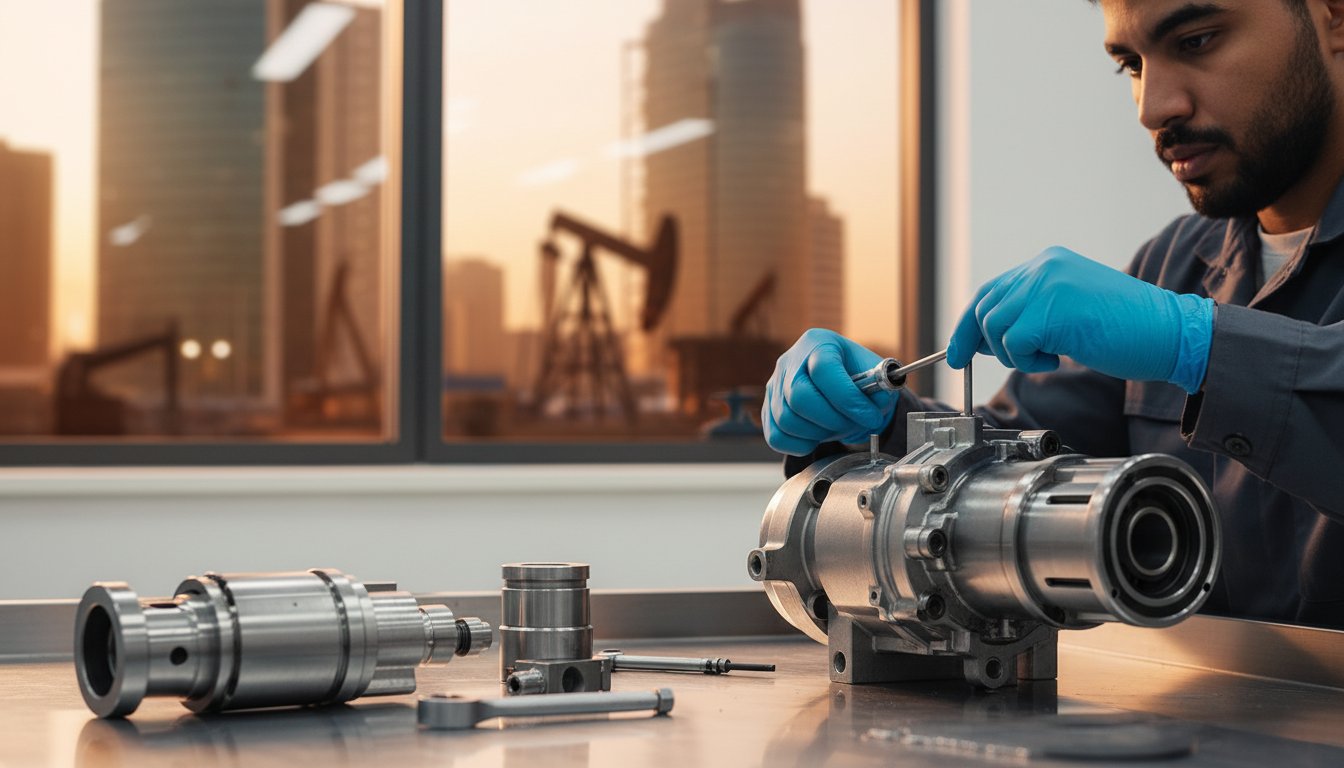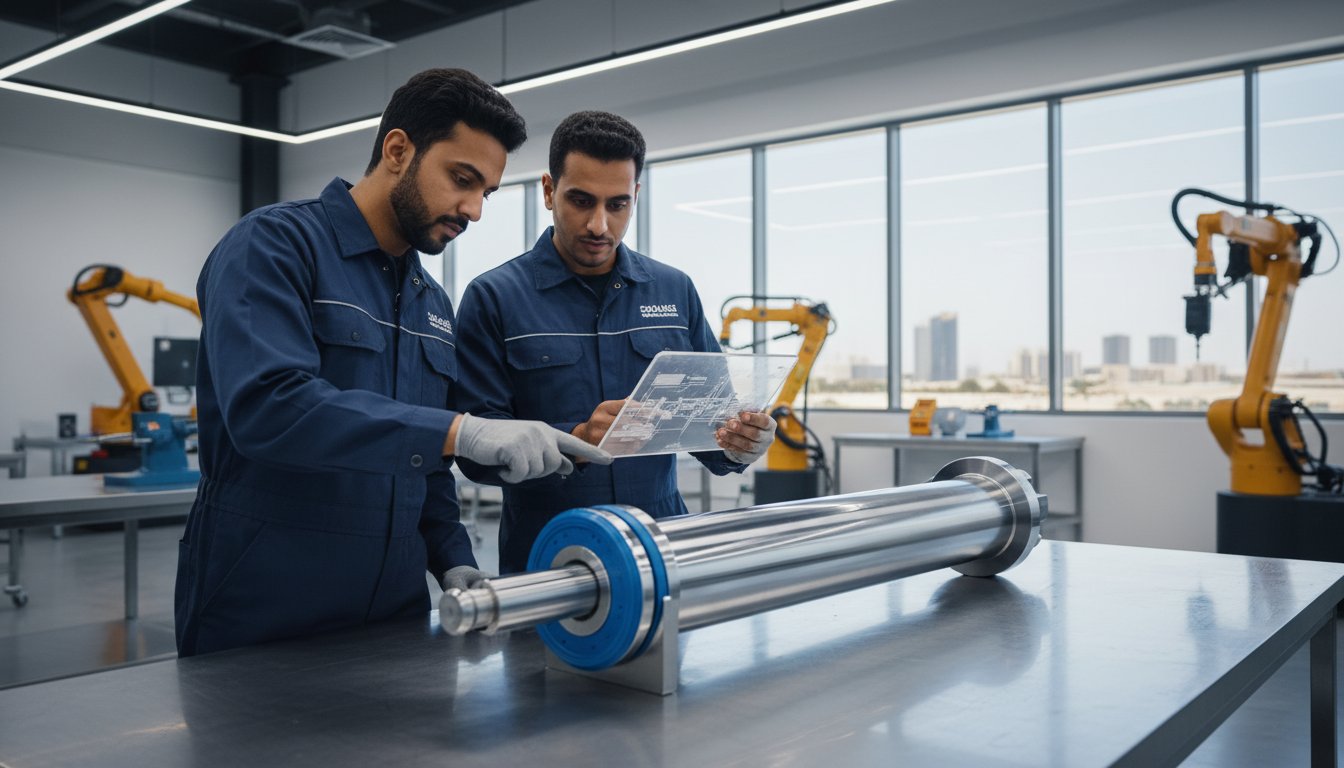

A scissor lift that refuses to rise, moves erratically, or leaves a tell-tale puddle of hydraulic fluid on the ground isn't just an inconvenience-it's a direct threat to your project's timeline and budget. Every hour your equipment is out of commission costs valuable time and money, pushing deadlines and impacting productivity across your site. The uncertainty of diagnosing the issue-is it a simple fix or a major system failure?-only adds to the pressure, especially when finding a reliable hydraulic specialist in Saudi Arabia can be a challenge.
This technician's guide is engineered to provide a clear, solution-oriented path forward. We provide expert, actionable insights to help you confidently troubleshoot the most common scissor lift hydraulic problems, from a complete failure to lift to slow operation and fluid leaks. You will learn the essential steps you can safely perform yourself and, just as importantly, gain the clarity to know precisely when it’s time to call a professional for expert hydraulic repair. Our goal is to empower you to minimize costly downtime and ensure your operations are always in motion.
Why Won't My Scissor Lift Go Up or Down? Diagnosing Primary Function Failure
When your scissor lift refuses to ascend or descend, operations grind to a halt, directly impacting productivity and project timelines. This critical failure is one of the most common issues operators face. The root cause typically lies within the heart of the machine's power: its hydraulic system. The core of the Scissor Lift Mechanism relies on hydraulic fluid, a pump, and a series of valves working in concert. However, the problem can sometimes originate from the electrical system that powers the hydraulic pump. A systematic diagnostic approach is essential to quickly identify the culprit and minimize costly downtime.
Step 1: Checking Hydraulic Fluid Levels and Quality
Begin by safely inspecting the hydraulic fluid reservoir. Ensure the machine is powered off and positioned on level ground before checking the dipstick or sight glass. Low fluid is a clear indicator of a leak that must be located and repaired, not just refilled. The fluid's condition is equally critical:
- Milky or Foamy Fluid: Indicates water contamination, which compromises lubrication and can cause corrosion.
- Dark, Burnt-Smelling Fluid: Suggests overheating or fluid degradation, reducing system efficiency.
Always use the exact hydraulic fluid type specified by the manufacturer to ensure optimal performance and prevent damage.
Step 2: Inspecting the Hydraulic Pump and Motor
If fluid levels are correct, turn your attention to the hydraulic pump. Listen for unusual noises during operation, such as a high-pitched whine or grinding sounds, which often signal internal pump damage from contamination or wear. It is vital to determine if the electric motor powering the pump is running. If the motor is silent, the problem is electrical, not hydraulic. Due to their complexity, hydraulic pump repairs or replacements are tasks that must be entrusted to a qualified technician to guarantee safety and reliability.
Step 3: Troubleshooting Holding and Control Valves
Valves are the gatekeepers of the hydraulic system. Holding valves prevent the platform from descending unintentionally, while control valves direct fluid flow. Debris in the hydraulic fluid can cause these precision components to stick open or closed, leading to erratic operation or complete failure. For units with solenoid-operated valves, an electrical fault can also be the source of the problem. Servicing hydraulic valves requires specialized knowledge and tools to avoid system damage, making it another task best left to expert service professionals.
What Causes Jerky, Slow, or Unstable Scissor Lift Movement?
Jerky, slow, or unstable operation of a scissor lift is not a minor inconvenience-it is a critical safety hazard and a clear indicator of a systemic problem. These symptoms compromise the stability and predictability of the equipment, creating unsafe working conditions that violate fundamental principles of OSHA Scissor Lift Safety. Typically, such performance issues point directly to problems with the hydraulic system's fluid consistency or flow rate. Ignoring these warning signs can lead to accelerated component wear and, ultimately, catastrophic failure, resulting in significant downtime and costly repairs.
Signs of Air in the Hydraulic System (Aeration)
Air can infiltrate a hydraulic system through loose fittings, worn seals, or when the hydraulic fluid level drops too low. Unlike hydraulic fluid, which is non-compressible, air bubbles compress under pressure. This causes the spongy, erratic, or jerky motion you feel during operation. After any hydraulic repair, it is essential to bleed the system properly to remove all trapped air. If aeration occurs continuously, it often signals a more serious leak on the suction side of the pump that requires immediate expert attention.
The Impact of Contaminated Hydraulic Fluid
Hydraulic fluid is the lifeblood of your scissor lift, and contamination is its greatest threat. Particulates like dust, water, and microscopic metal shavings act as an abrasive, degrading the fluid's lubricating properties and accelerating wear on pumps, valves, and seals. In the demanding industrial environments of Saudi Arabia, the prevalence of airborne dust and sand makes this a particularly high-risk factor. To prevent premature failure, we recommend a strict schedule of regular fluid analysis and filter changes to keep the system clean and efficient.
Diagnosing a Failing or Inefficient Hydraulic Pump
The hydraulic pump generates the pressure needed to lift the platform smoothly and safely. As a pump wears down over time, its efficiency drops, and it may struggle to produce adequate pressure, especially under load. A classic symptom of a failing pump is a lift that moves at a normal speed when empty but becomes extremely slow or strains when carrying weight. While operators can observe these symptoms, a definitive diagnosis requires a pressure test performed by a certified technician. This test accurately measures the pump's output and confirms its health.
Experiencing slow operation or other hydraulic issues? Get an expert hydraulic system diagnosis.
Hydraulic System Integrity: Checking for Leaks
A hydraulic fluid leak on your scissor lift is more than just a messy inconvenience. It is a critical warning sign of potential system failure, a serious safety risk for operators, and an environmental hazard that can lead to costly clean-up procedures and regulatory fines in Saudi Arabia. Ignoring a minor drip can quickly escalate, leading to fluid loss, component overheating, and catastrophic failure that results in significant operational downtime. Proactive leak detection and repair are fundamental to maintaining a safe and reliable machine.
Locating the Source of the Leak
Accurately identifying the origin of a leak is the first step toward an effective repair. The most reliable method is to 'clean and observe.' Thoroughly clean the suspected area of all grease, dirt, and hydraulic fluid, then operate the lift's functions to pressurize the system. Observe carefully to see exactly where the fluid emerges. Trace the fluid path from the highest, wettest point downwards, as gravity will often pull oil away from the actual source. Differentiate between a steady drip, which requires prompt attention, and a fine, misty spray, which indicates a high-pressure breach that demands immediate shutdown of the equipment.
WARNING: Never use your hands or any body part to check for high-pressure hydraulic leaks. Fluid injected into the skin can cause severe injury, tissue damage, and gangrene, requiring immediate emergency medical attention.
Common Failure Points: Hoses and Fittings
Hydraulic hoses and fittings are constantly subjected to pressure, vibration, and movement, making them the most common sources of leaks. During your inspection, look for clear signs of hose degradation, which include:
- Cracks or deep crazing on the outer cover
- Blistering, soft spots, or bubbling
- Abrasion or chafing where the hose rubs against the frame
- Leaking or corrosion at the crimped fittings
Fittings can also loosen over time due to normal machine vibration. Always ensure they are tightened to the manufacturer's specifications. Using an incorrectly rated replacement hose can lead to a dangerous burst under pressure. To ensure safety and performance, always replace components with parts that meet or exceed OEM standards. ETS supplies a comprehensive range of industrial-grade hydraulic hoses and fittings designed for the demanding conditions of any scissor lift.
Inspecting Hydraulic Cylinder Seals
Hydraulic cylinders are the muscles of your scissor lift, and their seals are vital for performance. An external leak is often visible as a film of fluid on the cylinder rod or a puddle forming at the cylinder's base. However, seals can also fail internally. This type of failure won't produce an external leak but will cause a gradual loss of holding power, known as 'cylinder drift,' where a raised platform slowly lowers on its own. Cylinder repair and resealing is a specialized task. A scored, bent, or damaged cylinder rod will rapidly destroy new seals, making a simple reseal ineffective. Any cylinder showing signs of damage requires professional assessment and repair to prevent repeat failures.
Proactive Hydraulic Maintenance to Prevent Scissor Lift Failure
The hydraulic system is the heart of your scissor lift, and its failure means immediate, costly downtime. The most effective strategy to avoid this is not reactive repair, but proactive maintenance. A simple, consistent schedule protects your valuable equipment, ensures compliance with safety standards in Saudi Arabia, and guarantees operational reliability. By focusing on three key areas-daily checks, fluid management, and professional inspections-you can transform maintenance from a cost center into a strategic advantage. ETS is your partner in achieving this reliability, providing expert solutions that keep your operations moving forward.
Daily Pre-Operation Hydraulic Checks
A few minutes spent by an operator before each shift can prevent hours of downtime. These simple visual and functional checks are the first line of defense in identifying potential hydraulic issues before they escalate. We recommend operators follow this brief checklist:
- Fluid Level Check: Ensure the hydraulic fluid in the reservoir is at the correct level. Low fluid can cause pump cavitation and overheating.
- Visual Hose Inspection: Carefully inspect all hydraulic hoses and fittings for cracks, abrasions, bulges, or active leaks. A damaged hose is a common cause of failure.
- Functional Test: Before loading, cycle the lift through its full range of motion once. Listen for unusual noises and watch for any jerky or slow movements.
Scheduled Fluid and Filter Changes
Adhering strictly to the manufacturer's recommended service intervals for hydraulic fluid and filter changes is critical for long-term equipment health. The filter is the system's primary defense, capturing harmful particulates that can score cylinders and damage pumps. Over time, hydraulic fluid also degrades and accumulates microscopic contaminants that filters cannot remove. Regular fluid changes are essential to flush these out, preventing sludge buildup and ensuring optimal performance for any scissor lift. ETS can recommend and supply the correct OEM-spec fluids and filters to maximize your equipment's lifespan.
The Value of Professional Hydraulic System Inspections
While daily checks are crucial, an annual inspection by a certified hydraulic specialist provides a deeper level of analysis. A trained technician can perform diagnostic pressure tests to detect internal wear in pumps and valves long before they lead to a complete failure. These experts are trained to identify subtle issues-like minor pressure drops or slight operational delays-that an operator might miss. This expert assessment provides a comprehensive health report, allowing for scheduled, cost-effective repairs instead of emergency breakdowns. Don't wait for a failure to impact your project timeline. Schedule a professional hydraulic system health check with ETS.
When to Call a Hydraulic Repair Expert for Your Scissor Lift
While routine operator checks are vital for daily safety and performance, knowing the limits of in-house troubleshooting is critical to preventing minor issues from escalating into major, costly failures. Complex hydraulic systems demand specialized knowledge. Attempting advanced repairs without the proper tools or expertise not only risks further damage to your equipment but can also create significant safety hazards. This is the clear handover point where a trained operator’s responsibility ends and a certified technician’s expertise begins.
Problems Beyond Basic Operator Checks
If your team has performed the standard checks outlined in your scissor lift maintenance manual and the problem persists, it is time to call a professional. Continuing to operate faulty equipment or attempting a complex repair can be dangerous. Contact an expert immediately if you notice:
- Major Component Failure: Any suspected issues with the hydraulic pump or motor, such as unusual noises, overheating, or a complete loss of power.
- Internal Leaks: The lift slowly drifts down or fails to hold a position, indicating potential internal cylinder seal failure.
- Complex Electrical Faults: Problems with hydraulic controls, including unresponsive solenoids or faulty pressure sensors that are not resolved by simple checks.
- Required Disassembly: Any repair that involves taking apart core hydraulic components like valves, pumps, or cylinders.
Why a Hydraulic Specialist is Crucial
A general mechanic may not have the specific equipment required for accurate hydraulic diagnostics. A specialist brings precision and expertise that is essential for these systems. They possess specialized diagnostic tools for hydraulic pressure testing and flow metering, allowing for precise identification of faults. Furthermore, specialists understand the intricate tolerances of pumps and control valves and have access to the correct OEM-spec seals, hoses, and components. Most importantly, they operate in clean environments and follow strict protocols to prevent fluid contamination-the leading cause of hydraulic system failure.
ETS: Your Scissor Lift Hydraulic Partner in Saudi Arabia
At Emdad Technical Services (ETS), we provide the expert solutions needed to keep your operations moving forward. We specialize in the comprehensive repair of hydraulic components for all heavy equipment, including your essential scissor lift fleet. Our state-of-the-art Dammam facility is fully equipped to handle complex pump, motor, and cylinder repairs with precision. We leverage our network to provide fast sourcing for high-quality hydraulic parts, ensuring a swift and effective repair. Our primary goal is to minimize your downtime with reliable service you can trust. For expert hydraulic support in Saudi Arabia, contact ETS today.
Ensure Peak Performance and Reliability for Your Equipment
Understanding the signs of hydraulic distress, from a complete loss of function to jerky or slow movements, is the first step toward maintaining your equipment. As we've covered, a proactive maintenance schedule is the most effective strategy for ensuring operational safety and preventing costly interruptions. However, when complex hydraulic problems arise, attempting a fix without specialized knowledge can lead to further damage and extended downtime.
This is where expert intervention becomes critical. At Emdad Technical Services, our technicians are dedicated to minimizing your downtime with specialized hydraulic pump, motor, and cylinder repair services. Supported by a large inventory of hydraulic hoses, seals, and fittings in Saudi Arabia, we deliver fast, reliable solutions for your scissor lift. Don't let a hydraulic failure disrupt your operations. Facing scissor lift issues? Contact our hydraulic experts for fast diagnostics and repair.
Keep your projects moving forward with a partner committed to your success.
Frequently Asked Questions About Scissor Lift Maintenance
Can I use a different type of hydraulic fluid in my scissor lift?
Using a hydraulic fluid other than the one specified by the manufacturer is strongly discouraged. Each system is engineered for a fluid with specific properties like viscosity and additive packages. Using the wrong type can lead to seal degradation, overheating, and inefficient operation, potentially causing premature component failure. To ensure reliable performance and avoid voiding your warranty, always adhere to the original equipment manufacturer's (OEM) recommendations. Our experts can help you verify the correct fluid for your equipment.
How often should hydraulic hoses be replaced on a scissor lift, even if they aren't leaking?
As a best practice for preventative maintenance, hydraulic hoses should be replaced every 4 to 6 years, regardless of visible wear. The harsh climate in Saudi Arabia, with its extreme heat and dust, can accelerate the degradation of rubber compounds. Proactive replacement is a critical step in preventing catastrophic failures, which can lead to significant downtime and safety hazards. Regular inspections by our technicians can help identify signs of aging like cracking or abrasion before a failure occurs.
What are the biggest safety risks associated with a faulty scissor lift hydraulic system?
A faulty hydraulic system poses severe safety risks to operators and personnel. The most critical dangers include a sudden, uncontrolled descent of the platform due to hose or cylinder failure, which can lead to serious injury or death. Other risks include high-pressure fluid injection injuries from pinhole leaks, which require immediate medical attention, and loss of steering or braking control. Proper maintenance of your scissor lift is essential for ensuring a safe work environment and compliance with safety regulations.
Does ETS repair specific scissor lift brands like JLG, Genie, or Skyjack?
Yes, our highly skilled technicians are experienced in servicing and repairing all major scissor lift brands, including industry leaders like JLG, Genie, and Skyjack. Our extensive expertise covers a wide range of models and hydraulic systems. We utilize advanced diagnostic tools and genuine or high-quality equivalent parts to ensure every repair meets or exceeds OEM standards. You can trust ETS to provide reliable, expert solutions for your entire fleet, regardless of the manufacturer.
How quickly can ETS technicians respond to a critical hydraulic failure in the Dammam area?
Minimizing your downtime is our highest priority. For critical hydraulic failures in the Dammam area and the surrounding Eastern Province, our rapid response team is committed to being on-site within hours of your call. Our service vehicles are fully equipped to handle most common repairs immediately. We understand the high cost of operational interruptions and have structured our services to provide the prompt, efficient, and reliable support needed to get your equipment back in service as quickly as possible.
Is it more cost-effective to repair or replace a failing hydraulic cylinder?
The decision to repair or replace a hydraulic cylinder depends on the extent of the damage and the age of the unit. A simple reseal or minor component replacement can be very cost-effective, often ranging from 500 to 1,500 SAR. However, if the cylinder barrel is scored or the rod is bent, a full replacement, which could cost over 7,000 SAR, may be the more reliable long-term solution. Our technicians provide a thorough assessment and transparent quote, allowing you to make an informed, cost-effective decision.